Colorado’s 2026 Economic Forecast: Slow Population Growth, Steady Momentum
Colorado enters 2026 with a rare balance of challenges and quiet strength. In newly released projections from the Business Research Division (BRD) at the Leeds School of Business, analysts foresee steady, deliberate growth despite slowing population trends and shifting economic forces. With insight from more than 130 statewide leaders across business, education, and public policy, the BRD expects a 0.6% job growth rate—adding approximately 17,500 new jobs statewide.
Where Colorado’s Economy Is Growing
Eight of Colorado’s eleven major industries are projected to expand in 2026. The strongest job gains are expected in:
Education and health services
Trade, transportation, and utilities
Government roles
Meanwhile, the information sector, leisure and hospitality, and professional/business services may see slight declines.
Colorado’s real GDP is also forecasted to outpace the national average, with growth expected at 2.1% in 2025 and 2.9% in 2026—demonstrating continued resilience. Retail activity remains firm, and consumer spending is projected to increase by 1.7% next year.
Expert Insight from Colorado’s Economists
“Moderate growth in GDP at the national and state level may appear inconsistent with the sluggish employment growth outlook,” said Richard Wobbekind, senior economist at the Leeds School of Business. He notes that slower population growth—especially reduced international migration—continues to constrain Colorado’s labor supply, pushing productivity to take center stage.
Executive director Brian Lewandowski highlights that although 2025 experienced muted job growth, Colorado remains positioned for overall gains in income, output, and employment in the coming year.
Key Indicators Shaping 2026
Population Growth
Colorado’s population is expected to grow 0.6%—adding 35,100 new residents through both natural increases and net migration.
Labor Force
Colorado’s 67.4% labor force participation rate exceeds the national average, though retirements and slowed migration continue to challenge overall workforce expansion.
Unemployment
The state’s unemployment rate is projected to fall from 4.5% to 4.1% in 2026 due to ongoing labor shortages.
Income
Personal income is forecasted to increase 4.5%, supported by a 3.6% rise in wages and salaries.
Inflation
Inflation statewide is expected to grow from 3% in 2025 to 3.5% in 2026.
Economic Risks to Watch
Colorado’s forward momentum remains intact, but several factors could influence the pace of growth:
New U.S. tariffs driving inflation and supply chain volatility
Federal tax cuts boosting spending but deepening the national deficit
Retirement-driven labor shortages and reduced immigration
Shifting interest rates during a soft job environment
AI productivity vs. job displacement, plus new state regulations in 2026
National debt concerns and potential government shutdowns
High mortgage rates and rising home prices straining affordability
Possible overvaluation in AI‑intensive investment sectors
Climate risks affecting insurance costs and household stability
Health care cost hikes tied to expiring tax credits
What This Means for Professionals
For professionals in real estate, mortgage lending, insurance, finance, and related sectors, Colorado’s 2026 climate offers both opportunity and reflection. Slower population increases may ease certain competitive pressures, while continued job and income growth present new avenues for advancement.
For those looking to stay competitive—or break into fields like real estate—educational institutions such as Cameron Academy provide flexible, career‑building courses across all 50 states, helping professionals stay aligned with shifting market demands.
To explore the original projections and deeper economic insights, visit the Leeds School of Business for the full forecast and research breakdown.
More Articles
Getting licensed or staying ahead in your career can be a journey—but it doesn’t have to be overwhelming. Grab your favorite coffee or tea, take a moment to relax, and browse through our articles. Whether you’re just starting out or renewing your expertise, we’ve got tips, insights, and advice to keep you moving forward. Here’s to your success—one sip and one step at a time!
"AI and machine learning are emerging as powerful technologies to address this issue, improving the accuracy of medical diagnosis and revolutionizing healthcare with their myriad applications."
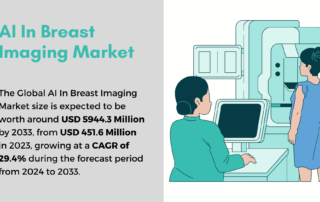
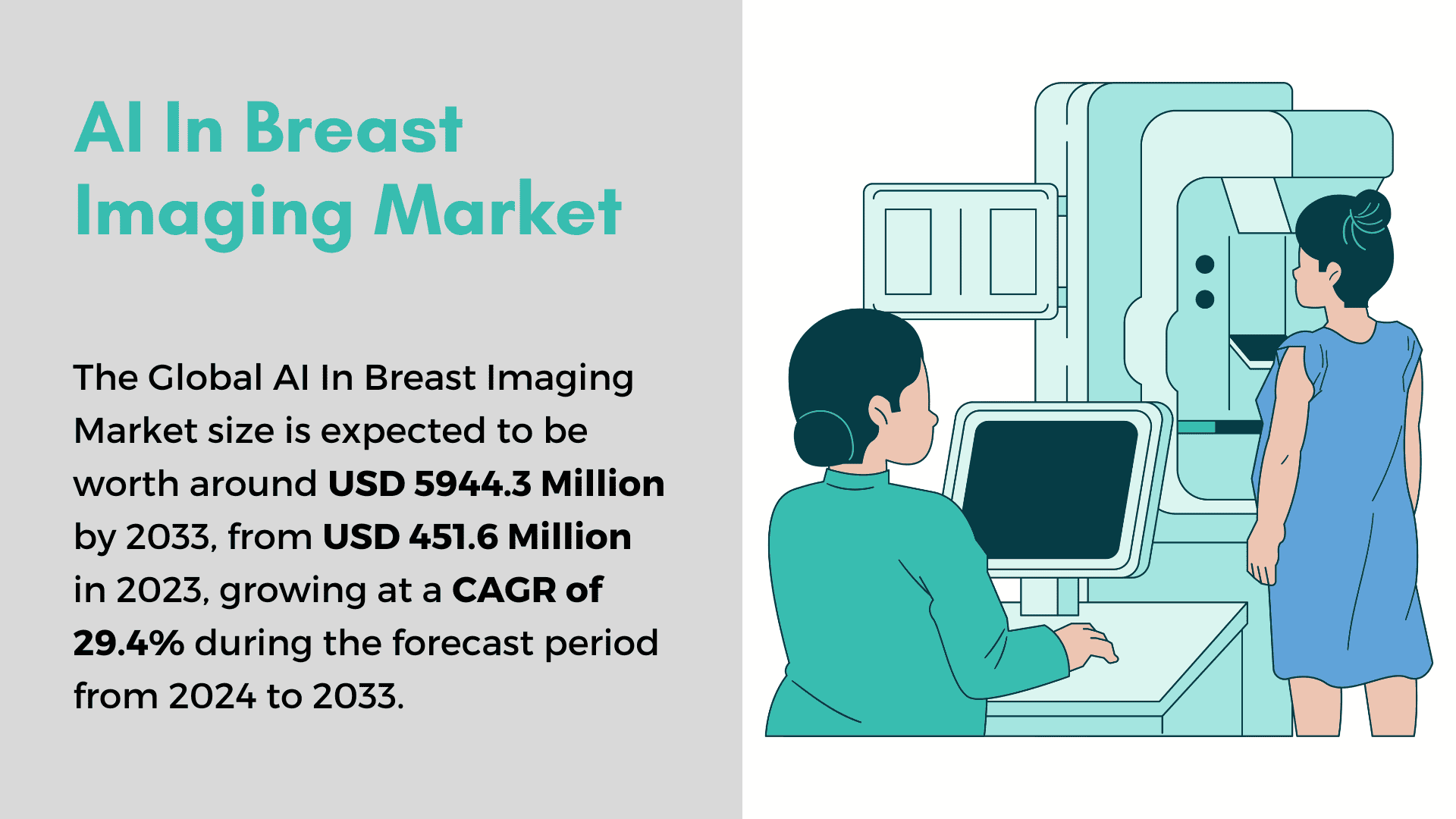
The global AI in breast imaging market is on a remarkable growth trajectory, projected to swell from USD 451.6 million in 2023 to an impressive USD 5944.3 million by 2033. This represents a compound annual growth rate (CAGR) of 29.4%, primarily driven by cutting-edge advancements in AI technologies that significantly enhance diagnostic accuracy, facilitate early detection, and boost healthcare efficiency.
Virtual real estate in metaverses is becoming a focal point for investors worldwide, with digital plots of land mirroring traditional real estate value based on location, size, and platform popularity.
Artificial intelligence (AI) and machine learning are at the forefront of revolutionizing in-vitro diagnostic (IVD) tools, redefining diagnostics and enhancing healthcare outcomes on multiple fronts.
As we edge closer to 2030, the life sciences industry stands on the threshold of transformative changes. With a global valuation exceeding $2 trillion, the sector is poised for significant growth, driven by technological advancements and an aging population.
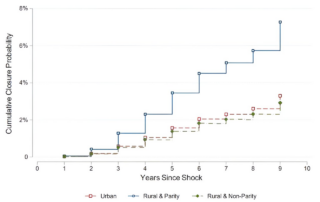
The advent of telehealth has revolutionized the way patients, particularly those in rural areas, access health care. By offering remote consultations and follow-up care, telehealth provides a convenient alternative to traveling long distances to urban hospitals. However, this technological advancement brings with it a set of challenges that could reshape the rural health care landscape.