Colorado’s 2026 Economic Forecast: Slow Population Growth, Steady Momentum
Colorado enters 2026 with a rare balance of challenges and quiet strength. In newly released projections from the Business Research Division (BRD) at the Leeds School of Business, analysts foresee steady, deliberate growth despite slowing population trends and shifting economic forces. With insight from more than 130 statewide leaders across business, education, and public policy, the BRD expects a 0.6% job growth rate—adding approximately 17,500 new jobs statewide.
Where Colorado’s Economy Is Growing
Eight of Colorado’s eleven major industries are projected to expand in 2026. The strongest job gains are expected in:
Education and health services
Trade, transportation, and utilities
Government roles
Meanwhile, the information sector, leisure and hospitality, and professional/business services may see slight declines.
Colorado’s real GDP is also forecasted to outpace the national average, with growth expected at 2.1% in 2025 and 2.9% in 2026—demonstrating continued resilience. Retail activity remains firm, and consumer spending is projected to increase by 1.7% next year.
Expert Insight from Colorado’s Economists
“Moderate growth in GDP at the national and state level may appear inconsistent with the sluggish employment growth outlook,” said Richard Wobbekind, senior economist at the Leeds School of Business. He notes that slower population growth—especially reduced international migration—continues to constrain Colorado’s labor supply, pushing productivity to take center stage.
Executive director Brian Lewandowski highlights that although 2025 experienced muted job growth, Colorado remains positioned for overall gains in income, output, and employment in the coming year.
Key Indicators Shaping 2026
Population Growth
Colorado’s population is expected to grow 0.6%—adding 35,100 new residents through both natural increases and net migration.
Labor Force
Colorado’s 67.4% labor force participation rate exceeds the national average, though retirements and slowed migration continue to challenge overall workforce expansion.
Unemployment
The state’s unemployment rate is projected to fall from 4.5% to 4.1% in 2026 due to ongoing labor shortages.
Income
Personal income is forecasted to increase 4.5%, supported by a 3.6% rise in wages and salaries.
Inflation
Inflation statewide is expected to grow from 3% in 2025 to 3.5% in 2026.
Economic Risks to Watch
Colorado’s forward momentum remains intact, but several factors could influence the pace of growth:
New U.S. tariffs driving inflation and supply chain volatility
Federal tax cuts boosting spending but deepening the national deficit
Retirement-driven labor shortages and reduced immigration
Shifting interest rates during a soft job environment
AI productivity vs. job displacement, plus new state regulations in 2026
National debt concerns and potential government shutdowns
High mortgage rates and rising home prices straining affordability
Possible overvaluation in AI‑intensive investment sectors
Climate risks affecting insurance costs and household stability
Health care cost hikes tied to expiring tax credits
What This Means for Professionals
For professionals in real estate, mortgage lending, insurance, finance, and related sectors, Colorado’s 2026 climate offers both opportunity and reflection. Slower population increases may ease certain competitive pressures, while continued job and income growth present new avenues for advancement.
For those looking to stay competitive—or break into fields like real estate—educational institutions such as Cameron Academy provide flexible, career‑building courses across all 50 states, helping professionals stay aligned with shifting market demands.
To explore the original projections and deeper economic insights, visit the Leeds School of Business for the full forecast and research breakdown.
More Articles
Getting licensed or staying ahead in your career can be a journey—but it doesn’t have to be overwhelming. Grab your favorite coffee or tea, take a moment to relax, and browse through our articles. Whether you’re just starting out or renewing your expertise, we’ve got tips, insights, and advice to keep you moving forward. Here’s to your success—one sip and one step at a time!
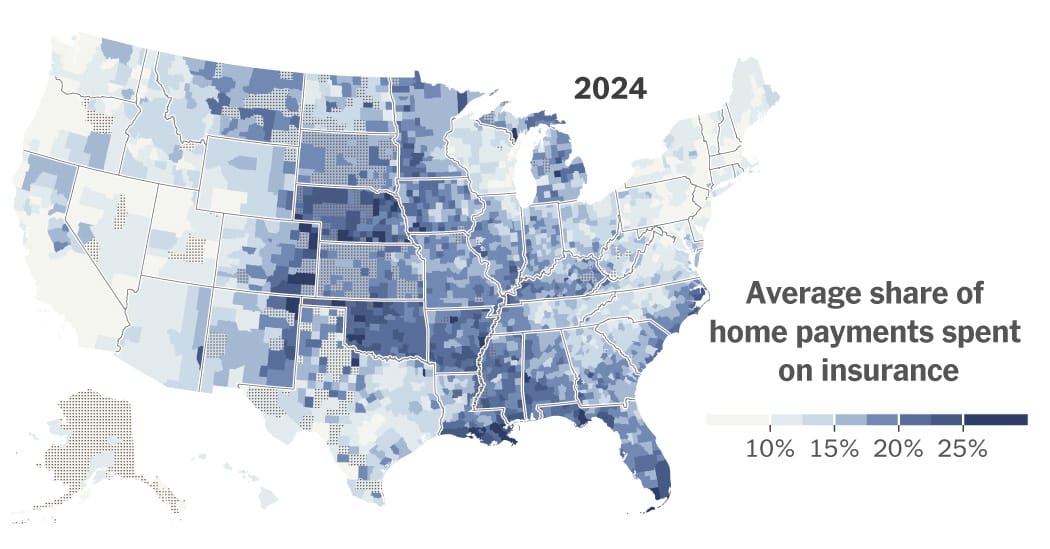
A surge in home insurance premiums is reshaping housing markets across the country, hitting disaster‑prone regions the hardest. From Louisiana to Colorado and California, deals are collapsing, buyers are backing out, and home values are dropping as insurance becomes a central affordability hurdle. New data shows climate‑driven risk repricing and soaring reinsurance costs are stripping tens of thousands of dollars from property values, forcing some homeowners to sell at a loss—or go uninsured altogether.
After years of sluggish activity, the National Association of REALTORS predicts 2026 could mark the long‑awaited rebound for the housing market. With a projected 14% jump in home sales, steadier rates near 6%, and rising buyer activity, NAR economists say momentum is already building. Early signs—like a 31% surge in mortgage applications, continued job growth, and stabilizing prices—suggest a stronger, more confident market ahead, creating fresh opportunities for both seasoned professionals and aspiring agents preparing to enter the field.
A surge of global capital is reshaping real estate heading into 2026, with investors shifting toward hands‑on strategies, cross‑border diversification, and high‑growth asset classes like data centers. Colliers’ 2026 Global Investor Outlook highlights rising confidence, improving liquidity, and a major pivot toward direct investing and value‑add opportunities. From office market rebounds to Asia Pacific’s rapid fundraising growth, the report outlines trends every real estate professional should understand as the industry enters a more dynamic, opportunity‑rich cycle.
Culver City just became the first place in California to legalize six‑story apartment buildings with only one staircase — a simple change that could reshape mid‑rise housing statewide. By freeing up as much as 7% more usable floor space, architects say single‑stair designs allow bigger units, more windows, and the kind of elegant layouts common in New York and Europe. If the city’s six‑year experiment succeeds, it may spark a broader rethinking of U.S. building codes and open the door to more flexible, affordable multifamily development across California.
Stratford homeowners are receiving their 2025 Notices of Assessment Change, marking the town’s first property revaluation since 2019. Officials emphasize that rising assessments do not equal higher tax bills, as a new mill rate won’t be set until spring 2026. Residents can challenge or review their updated valuations through informal hearings hosted by Vision Government Solutions, with appointments available for one week after receiving a notice.
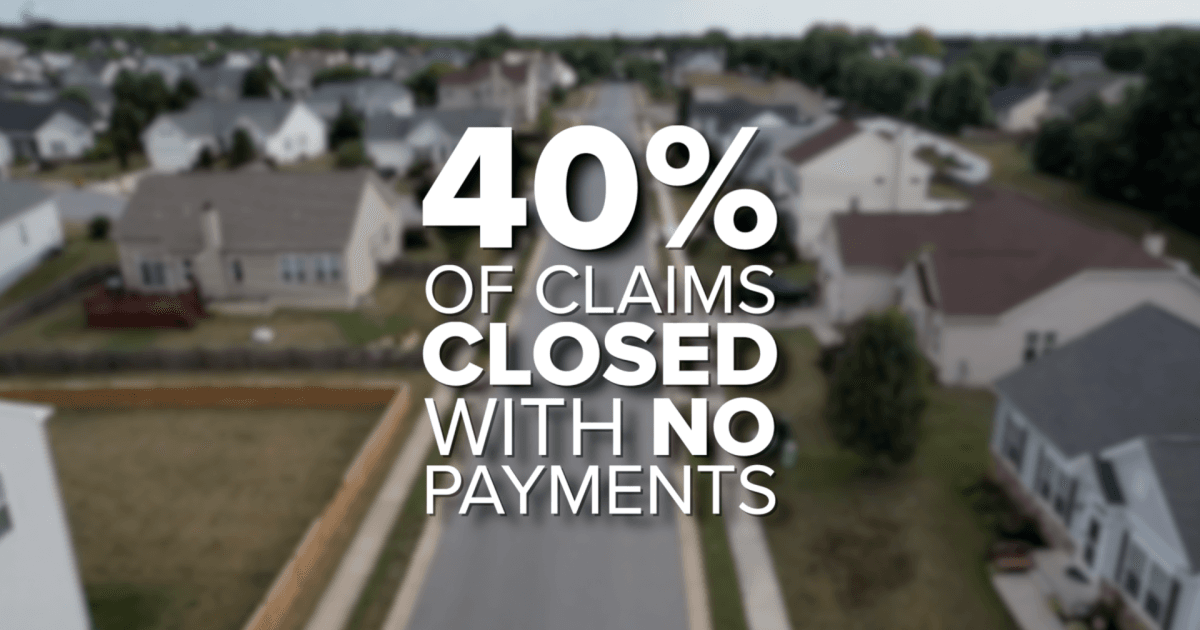
New reporting reveals Florida homeowners now face an average insurance premium of $5,838 per year — nearly triple the national average. With skyrocketing rates, denied claims, and mounting non-renewals, residents are being pushed to tough financial decisions while lawmakers scramble to implement reforms. From retirees skipping coverage to families battling insurers for fair payouts, Florida’s insurance crisis is reshaping both the housing market and the daily lives of homeowners statewide.