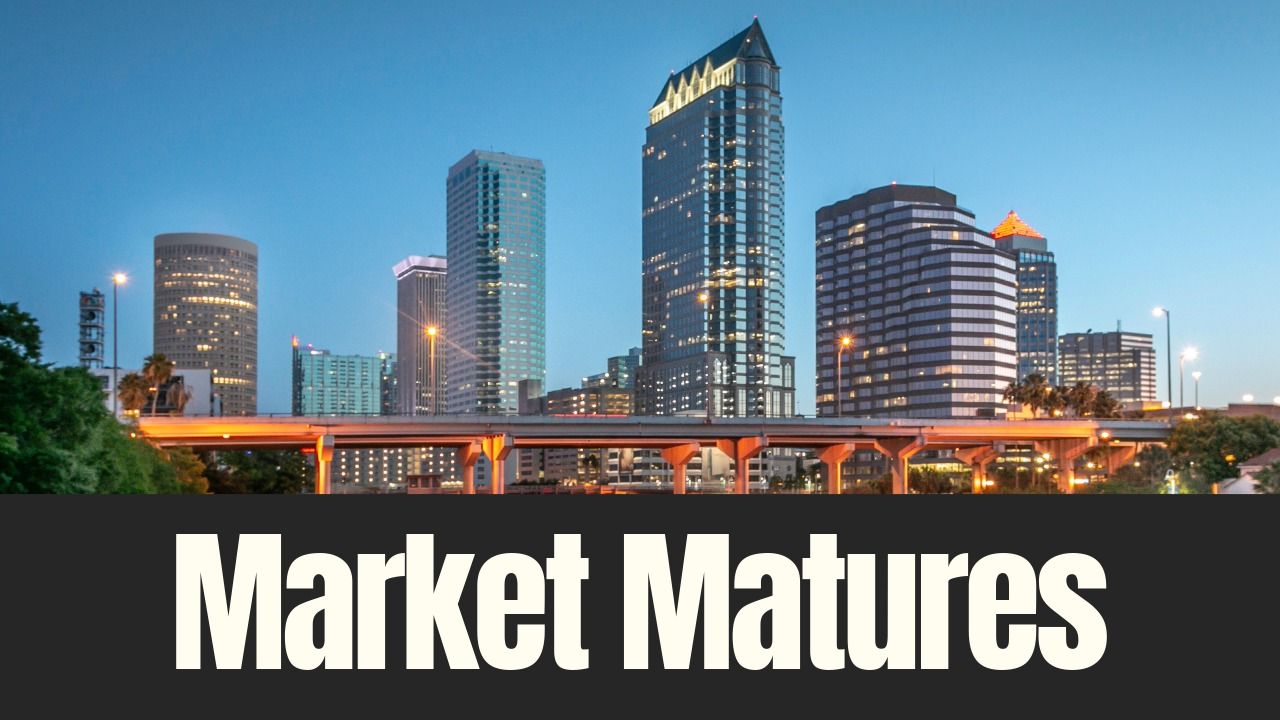
Commercial real estate skyline

Commercial Real Estate in 2026: Stabilization, Surprises, and a New Market Rhythm

After a year shaped by economic slowdowns, persistent unemployment and hesitations in new construction, 2026 is emerging as a long‑awaited turning point for the commercial real estate landscape. Research groups and industry analysts appear to be in rare agreement: stabilization and early recovery are slowly strengthening across the sector.

This article is inspired by in‑depth reporting originally featured in CNBC’s Property Play newsletter by Diana Olick. For additional insights, visit their coverage: Read the original article on CNBC.

A Market Searching for Its New Balance

Colliers calls 2026 a “new equilibrium.” Cushman & Wakefield points to “firmer fundamentals.” KBW notes an “ongoing recovery,” while CoStar highlights “price stability at last.” These are not hollow predictions—they reveal a sector finally regaining its footing.

Deloitte’s global survey of 850 real estate executives uncovered widespread but cautious optimism. While expectations for revenue growth have cooled slightly, most leaders believe 2026 will end with stronger market performance.

Although higher tariffs and stricter immigration policies weighed heavily on developers in 2025, easing interest rates are now opening the doors for capital to re‑enter the market.

Capital Markets Begin to Wake Up

Colliers is calling 2026 the year of the “Capital Markets Reawakening,” forecasting a 15% to 20% bump in sales volume. Deal‑making is accelerating as pricing appears to have reached its long‑awaited floor.

CoStar notes that cap rates may move lower as vacancies peak in both industrial and multifamily properties. Lending is rising. Institutional money is returning. Cushman & Wakefield reports lending up 35% year over year and institutional sales activity climbing 17%.

The bond market is echoing this revival: spreads between government and corporate yields are narrowing—a classic indicator of upcoming investment momentum.

Office, Industrial, Retail, and Beyond

Office: Vacancy rates could finally drop below 18%. With construction at a 30‑year low, high‑quality Class A buildings in key metros are quickly becoming scarce, and hybrid‑friendly workplaces dominate tenant demand.

Industrial: Construction has slowed by 63% since 2022, but demand is exploding. Reshoring, advanced manufacturing and the booming data‑center ecosystem may drive a staggering 220 million square feet of absorption in 2026.

Retail: CoStar reports nearly 26 million square feet of retail usage in unexpected places—from multifamily complexes to hospitality properties. Smaller retail footprints are trending, especially for restaurants and service‑oriented operators. Still, potential tariff pressure could curb consumer spending later in the year.

Multifamily: Record new supply is temporarily easing rents. After years of dominating investment activity, multifamily may see slight declines as investors pivot toward once‑struggling sectors re‑emerging with fresh opportunity.

Data Centers: The shining star of 2025 shows no signs of slowing. Deloitte highlights nine global markets with fully pre‑leased pipelines—yet political hurdles, zoning battles and electrical‑grid limitations could delay select 2026 projects.

REITs Preparing for a Big Year

PWC foresees a powerful wave of mergers and acquisitions as valuations align and public‑to‑private deals accelerate. Consolidation, AI‑enhanced operations and scaled platforms will redefine the REIT landscape.

Nareit reports that REITs—after lagging behind in 2025—may be positioned for strong outperformance as valuation gaps shrink and balance sheets remain exceptionally healthy.

What This Means for Professionals and Investors

For developers, brokers, analysts and investors, 2026 represents strategic opportunity—not unchecked optimism, but a grounded moment to act with intelligence and timing.

If you’re seeking to build or expand your real estate career—especially in high‑growth states like Florida—understanding these shifts is invaluable. Cameron Academy provides licensing education, continuing training and professional development tools designed to help both new and seasoned professionals stay market‑ready.

From commercial investment to long‑term career planning, 2026 may be one of the most promising years in recent memory for those ready to move with purpose.


More Articles

Getting licensed or staying ahead in your career can be a journey—but it doesn’t have to be overwhelming. Grab your favorite coffee or tea, take a moment to relax, and browse through our articles. Whether you’re just starting out or renewing your expertise, we’ve got tips, insights, and advice to keep you moving forward. Here’s to your success—one sip and one step at a time!

Commercial Real Estate Slows Again as Investors Flock to Larger, Safer Deals

November marked another cooldown for commercial real estate, with total deal volume dropping 10% year over year and falling below even 2020’s levels. While overall activity is slowing, investors are concentrating their money on bigger, more resilient assets—driving a 51% surge in deals over $100 million and pushing average transaction sizes well above historical norms. Multifamily remains the strongest sector, office deals are becoming more strategically focused, and medical office and data centers continue to outperform as long‑term demand stays solid.

Lower Rates Could Spark a Commercial Real Estate Comeback in 2026

After years of stalled activity, commercial real estate may finally be nearing a rebound. Experts say that expected interest‑rate drops in 2026 could reignite investor confidence, unlock sidelined capital, and boost deal flow across multiple sectors. But the outlook isn’t uniformly sunny—multifamily faces oversupply, industrial is cooling after years of rapid growth, and weakening employment conditions may slow absorption. For professionals across real estate, mortgage, insurance, and finance, the shifting landscape presents both challenges and major opportunities for those who stay informed and properly licensed.

Consumer Reports Warns Congress About Rising Fintech Risks in 2026

Consumer Reports delivered a major warning to Congress, highlighting how rapidly expanding fintech tools—especially AI‑driven platforms—are outpacing consumer protections. In testimony before the House Subcommittee on Digital Assets, Financial Technology and AI, CR called for stronger, clearer rules to prevent hidden fees, predatory practices, and confusion within digital financial products. For professionals in real estate, mortgages, insurance, and finance, these emerging regulations may soon influence lending decisions, underwriting, credit evaluations, and compliance expectations across the industry.

Amazon’s Massive Corporate Shakeup Signals a New Era of AI‑Driven Workforce Transformation

Amazon is preparing to cut up to 30,000 corporate jobs by mid‑2026 as it pivots aggressively toward automation and AI. Following 14,000 layoffs in late 2025, the company is eliminating layers of management to redirect billions into robotics, generative AI systems, and supercomputing partnerships. While warehouse hiring continues for seasonal demand, Amazon’s internal shift reveals a broader nationwide trend: white‑collar roles across tech, finance, logistics, and more are being reshaped by automation at unprecedented speed.

Chuck Bonfiglio Steps In as 2026 Florida Realtors President, Signaling a Year of Big Industry Shifts

Florida’s real estate market enters 2026 with new leadership at the helm as Chuck Bonfiglio, broker-owner of AAA Realty Group, is officially installed as President of Florida Realtors. With more than 230,000 members behind the association, Bonfiglio highlights affordability, insurance reform, and taxes as key priorities while expressing optimism about easing mortgage rates, stabilizing prices, and growing inventory. Backed by years of statewide and national Realtor leadership, he aims to guide professionals through another transformative year alongside a newly appointed 2026 leadership team.

Tampa’s Real Estate Market Enters Its Selective Era

Tampa isn’t cooling off—it’s getting smarter. After years of rapid expansion, the city’s commercial real estate market has shifted into a more disciplined, selective phase. Population growth remains strong, office leasing is outperforming national trends, industrial activity is normalizing sustainably, and retail is seeing renewed investor confidence. With capital becoming more cautious and health care real estate emerging as a major growth sector, Tampa is entering a new era focused on strategy, execution, and long‑term fundamentals.