Commercial Real Estate in 2026: The Markets, Trends, and Transformations Reshaping the Industry
The commercial real estate world enters 2026 with a powerful mix of renewed optimism and tough structural challenges. A fresh report from PwC and the Urban Land Institute highlights markets like Jersey City and North Jersey as breakout stars—surging upward thanks to redevelopment momentum, booming tech infrastructure needs, and the rise of modern mixed‑use communities.
For professionals in real estate, finance, insurance, development, and construction—many of whom start or advance their careers through programs at Cameron Academy—these shifts present both extraordinary opportunities and a rapidly evolving competitive landscape.
Top Markets to Watch in 2026
Each year, PwC’s Emerging Trends in Real Estate report compiles perspectives from more than 1,700 industry leaders. For 2026, these U.S. cities rank as the most promising:
Dallas–Fort Worth
Jersey City
Miami
Brooklyn
Houston
Nashville
North Jersey
Tampa–St. Petersburg
Manhattan
Phoenix
Jersey City soared an impressive 17 spots, with North Jersey climbing 15 spots—making both areas magnets for investment.
Why Investors Are Targeting North Jersey
Jersey City continues to evolve into a thriving commercial powerhouse—close enough to New York City for convenience, yet far more flexible and affordable for businesses. Its talent pool, robust transit network, and expanding commercial footprint make it a prime destination for both startups and enterprise-level firms.
Headwinds Developers Must Navigate
Even with strong rankings, New Jersey developers are wrestling with real obstacles: rising construction costs (fueled by tariffs), high interest rates, drawn‑out financing timelines, and municipal fatigue after years of heavy zoning and planning burdens.
Commercial real estate attorneys Donald Pepe and Joe DeMarco of Scarinci Hollenbeck note that many mid‑size and small developers are stuck in limbo—waiting on financing, municipal approvals, or cost stability.
DeMarco explains it bluntly: “Once fatigue sets in, even good deals get caught in the backswing.”
Data Centers: Booming Demand, Limited Space
The AI revolution continues to push demand for data centers to record highs. Nationwide, vacancy rates sit below 2% and most facilities are leased before construction is even complete. But New Jersey faces tough constraints: scarce land and pushback over energy usage and infrastructure impacts.
Mixed‑Use Redevelopment Takes Center Stage
The strongest real estate deals in 2026 revolve around converting outdated retail complexes into vibrant, integrated mixed‑use communities. These hubs blend residential, commercial, lifestyle, and community functions into one modern ecosystem.
Key examples include Liberty Village in Flemington, Voorhees Town Center, and the transformation of Monmouth Mall. With municipalities eager to replace declining ratables, mixed‑use projects offer a strategic path forward.
New Jersey health systems are rapidly expanding ambulatory care centers, shifting away from mega‑campus hospitals and toward accessible neighborhood locations. As DeMarco puts it: “Health care is the new warehouse.”
Affordable Housing: A Growing Pressure Point
Affordability continues to define the housing pipeline. Demand is shifting, new construction is slowing, and municipalities face crucial deadlines for implementing zoning and affordable housing mandates.
Developers repeatedly emphasize: projects only succeed when municipalities and builders form a true partnership.
AI’s Expanding Role—and Risks—in Real Estate
AI now accelerates deal modeling, contract review, and market analysis. But it brings serious legal and ethical hazards. Attorneys warn about misinformation, privacy liabilities, and overdependence among younger professionals.
Pepe says AI is like a “very sharp knife—powerful, but dangerous in unskilled hands.”
Why New Jersey Remains a Prime Market
Despite challenges, New Jersey benefits from a unique geographic advantage—strategically placed between New York and Philadelphia. Add strong schools, diverse communities, and a skilled workforce, and it becomes clear why developers remain bullish.
As DeMarco puts it: “In the Monopoly game, we are Boardwalk or Park Place.”
What This Means for Today’s Professionals
Success in 2026 will favor professionals who understand redevelopment, zoning, data center growth, health care expansion, and the influence of AI.
For those pursuing new licenses or continuing education—fields supported by Cameron Academy across real estate, mortgage, insurance, finance, health care, and more—the opportunity landscape is wide open.
If you’re exploring careers in development, brokerage, property management, or investment, the right education can position you at the forefront of these trends.
Getting licensed or staying ahead in your career can be a journey—but it doesn’t have to be overwhelming. Grab your favorite coffee or tea, take a moment to relax, and browse through our articles. Whether you’re just starting out or renewing your expertise, we’ve got tips, insights, and advice to keep you moving forward. Here’s to your success—one sip and one step at a time!
Nevada has enacted a first‑in‑the‑nation law permitting insurers to sell homeowners policies that exclude wildfire coverage, a move supporters say could help stabilize premiums but critics warn may leave homeowners financially devastated. The policy shift positions Nevada as a testing ground for potential nationwide changes, raising major implications for real estate, mortgage, and insurance professionals as lenders, high‑risk communities, and regulators navigate the evolving landscape.
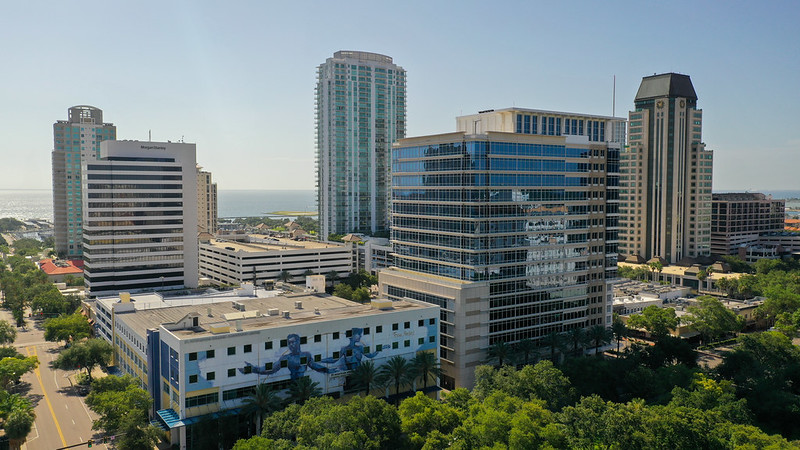
Tampa Bay’s office sector just delivered its most powerful year in nearly a decade, according to JLL’s Q4 2025 report. With more than 600,000 square feet of positive net absorption, falling vacancies, shrinking inventory, and major tenants like Fisher Investments and GEICO locking in massive leases, the region is emerging as one of the nation’s strongest post‑recovery office markets. The surge in demand for high‑quality space is driving rents up, tightening supply, and setting the stage for continued momentum into 2026.
The Consumer Financial Protection Bureau has proposed new updates to the Nationwide Mortgage Licensing System and Registry, expanding data collection, tightening verification standards, and refreshing record‑retention rules. These changes aim to strengthen background checks, enhance regulatory oversight, and align the system with federal requirements—impacting both current and aspiring mortgage loan originators nationwide.
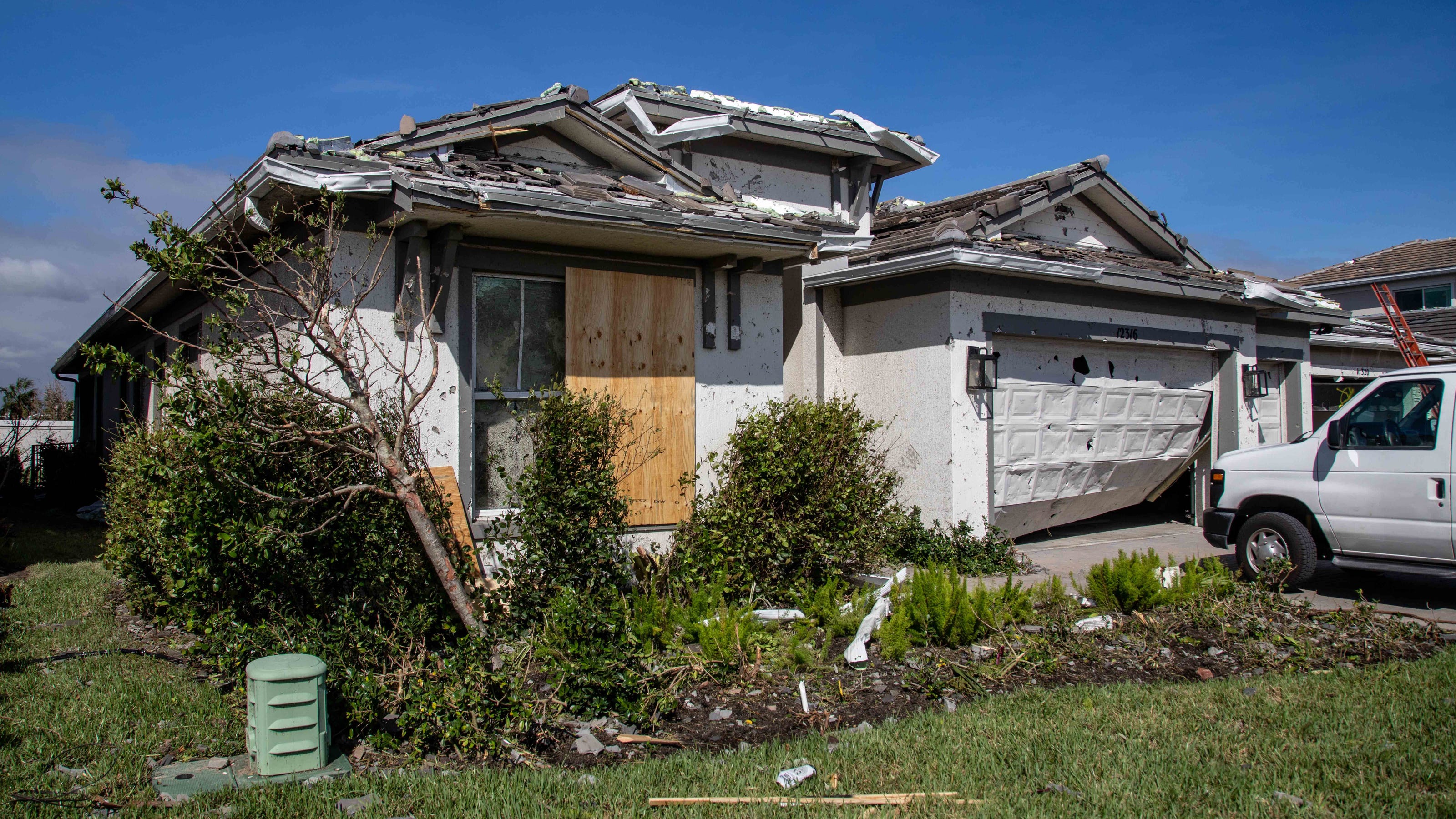
Nevada has become the first state to let insurers sell homeowners policies that exclude wildfire coverage — a dramatic shift that could reshape insurance pricing across the West. Supporters say the move may lower premiums and spark innovation, while critics warn it could leave homeowners exposed to devastating losses. As regulators and insurers nationwide watch closely, the experiment could have major implications for real estate, mortgages, and insurance markets.
After years of soaring premiums and insurer failures, Florida lawmakers are rolling out a new slate of reforms aimed at finally delivering relief to homeowners. From cracking down on profit‑sharing affiliates to unveiling hidden rate factors and rewarding claim‑free residents, these proposals could reshape the state’s insurance landscape — and bring real savings to property owners and real estate professionals alike.
With traditional CRE lending slowing nationwide, C‑PACE financing is surging to all‑time highs — including a record‑setting $465 million loan for a major D.C. redevelopment. Backed by long repayment terms, fixed rates, and tax‑assessment security, C‑PACE is rapidly becoming a preferred tool for funding energy efficiency, resiliency upgrades, and even large‑scale project recapitalizations. Major players like Nuveen Green Capital and Peachtree Group are driving billions in new volume as 40 states adopt the program, signaling a major shift in how commercial real estate projects are financed.