Commercial Real Estate in 2026: The Markets, Trends, and Transformations Reshaping the Industry
The commercial real estate world enters 2026 with a powerful mix of renewed optimism and tough structural challenges. A fresh report from PwC and the Urban Land Institute highlights markets like Jersey City and North Jersey as breakout stars—surging upward thanks to redevelopment momentum, booming tech infrastructure needs, and the rise of modern mixed‑use communities.
For professionals in real estate, finance, insurance, development, and construction—many of whom start or advance their careers through programs at Cameron Academy—these shifts present both extraordinary opportunities and a rapidly evolving competitive landscape.
Top Markets to Watch in 2026
Each year, PwC’s Emerging Trends in Real Estate report compiles perspectives from more than 1,700 industry leaders. For 2026, these U.S. cities rank as the most promising:
Dallas–Fort Worth
Jersey City
Miami
Brooklyn
Houston
Nashville
North Jersey
Tampa–St. Petersburg
Manhattan
Phoenix
Jersey City soared an impressive 17 spots, with North Jersey climbing 15 spots—making both areas magnets for investment.
Why Investors Are Targeting North Jersey
Jersey City continues to evolve into a thriving commercial powerhouse—close enough to New York City for convenience, yet far more flexible and affordable for businesses. Its talent pool, robust transit network, and expanding commercial footprint make it a prime destination for both startups and enterprise-level firms.
Headwinds Developers Must Navigate
Even with strong rankings, New Jersey developers are wrestling with real obstacles: rising construction costs (fueled by tariffs), high interest rates, drawn‑out financing timelines, and municipal fatigue after years of heavy zoning and planning burdens.
Commercial real estate attorneys Donald Pepe and Joe DeMarco of Scarinci Hollenbeck note that many mid‑size and small developers are stuck in limbo—waiting on financing, municipal approvals, or cost stability.
DeMarco explains it bluntly: “Once fatigue sets in, even good deals get caught in the backswing.”
Data Centers: Booming Demand, Limited Space
The AI revolution continues to push demand for data centers to record highs. Nationwide, vacancy rates sit below 2% and most facilities are leased before construction is even complete. But New Jersey faces tough constraints: scarce land and pushback over energy usage and infrastructure impacts.
Mixed‑Use Redevelopment Takes Center Stage
The strongest real estate deals in 2026 revolve around converting outdated retail complexes into vibrant, integrated mixed‑use communities. These hubs blend residential, commercial, lifestyle, and community functions into one modern ecosystem.
Key examples include Liberty Village in Flemington, Voorhees Town Center, and the transformation of Monmouth Mall. With municipalities eager to replace declining ratables, mixed‑use projects offer a strategic path forward.
New Jersey health systems are rapidly expanding ambulatory care centers, shifting away from mega‑campus hospitals and toward accessible neighborhood locations. As DeMarco puts it: “Health care is the new warehouse.”
Affordable Housing: A Growing Pressure Point
Affordability continues to define the housing pipeline. Demand is shifting, new construction is slowing, and municipalities face crucial deadlines for implementing zoning and affordable housing mandates.
Developers repeatedly emphasize: projects only succeed when municipalities and builders form a true partnership.
AI’s Expanding Role—and Risks—in Real Estate
AI now accelerates deal modeling, contract review, and market analysis. But it brings serious legal and ethical hazards. Attorneys warn about misinformation, privacy liabilities, and overdependence among younger professionals.
Pepe says AI is like a “very sharp knife—powerful, but dangerous in unskilled hands.”
Why New Jersey Remains a Prime Market
Despite challenges, New Jersey benefits from a unique geographic advantage—strategically placed between New York and Philadelphia. Add strong schools, diverse communities, and a skilled workforce, and it becomes clear why developers remain bullish.
As DeMarco puts it: “In the Monopoly game, we are Boardwalk or Park Place.”
What This Means for Today’s Professionals
Success in 2026 will favor professionals who understand redevelopment, zoning, data center growth, health care expansion, and the influence of AI.
For those pursuing new licenses or continuing education—fields supported by Cameron Academy across real estate, mortgage, insurance, finance, health care, and more—the opportunity landscape is wide open.
If you’re exploring careers in development, brokerage, property management, or investment, the right education can position you at the forefront of these trends.
Getting licensed or staying ahead in your career can be a journey—but it doesn’t have to be overwhelming. Grab your favorite coffee or tea, take a moment to relax, and browse through our articles. Whether you’re just starting out or renewing your expertise, we’ve got tips, insights, and advice to keep you moving forward. Here’s to your success—one sip and one step at a time!
December is bringing more than holiday stress—mortgage rates are climbing as the Federal Reserve delivers mixed signals and key economic reports face delays. After sharp swings in November, analysts expect rates to rise through the month, with internal disagreements among Fed members adding to the turbulence. As lenders recalibrate their expectations for early 2026, buyers and industry professionals should brace for rapid, unpredictable rate movements.
Artificial intelligence is rapidly transforming how real estate professionals work, and this week’s updates highlight just how fast the tech is evolving. Rechat’s new integration with Follow Up Boss streamlines CRM, marketing, and communication into one powerful workflow. RealScout has introduced an AI‑driven search tool built specifically for agents, delivering precise results from natural language prompts. Meanwhile, UtahRealEstate.com has launched AI voice search for consumers, offering real‑time conversational home‑finding. Together, these advancements signal a new era of efficiency and opportunity for both new and seasoned real estate professionals.
The Government Accountability Office is urging the FHFA to issue clear, updated guidance for Fannie Mae and Freddie Mac as AI‑driven tools reshape the mortgage industry. With automated valuations, underwriting systems, and algorithmic advertising carrying risks of embedded bias, regulators fear that fast‑moving proptech innovations may unintentionally reinforce past discrimination. The call for action comes as federal oversight shifts and industry professionals face growing pressure to stay compliant in an increasingly digital housing market.
Florida’s real estate and insurance sectors are undergoing major end‑of‑year shifts, from new AI oversight proposals and cooling housing markets to rising insurance premiums and transformative housing legislation. With inventory changes, pricing corrections, and new educational opportunities emerging across the state, professionals and students alike can use these insights to stay ahead in a rapidly evolving 2025–2026 landscape.
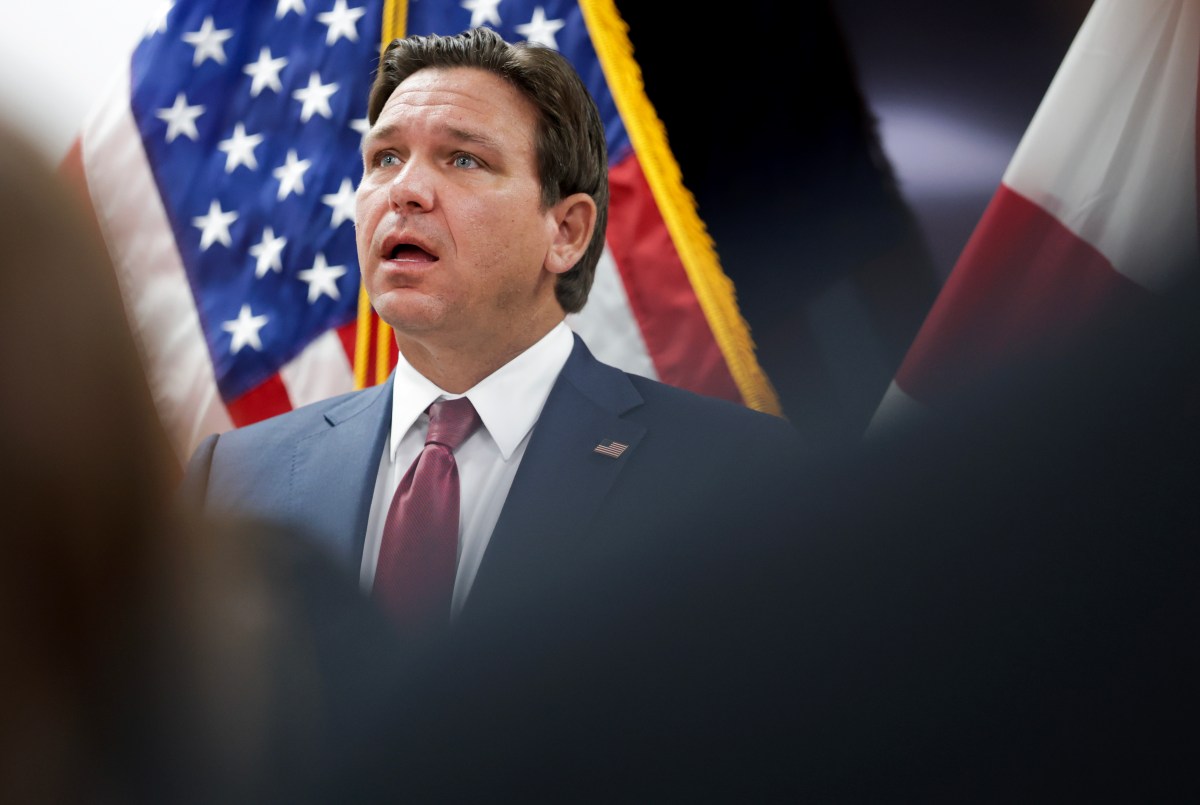
New analysis shows that eliminating property taxes in Florida—an idea promoted by Governor Ron DeSantis—could instantly raise home prices by 7 to 9 percent. While current homeowners may welcome the boost, experts warn it would worsen the state’s affordability crisis and shift tax burdens elsewhere, making it harder for future buyers and first‑time homeowners to enter the market.
Cyprus is rolling out sweeping housing and construction reforms, including fast‑track permits, incentives for affordable development, and a push for EU‑wide housing strategy. With single‑ and two‑family home approvals targeted at 40 days and apartment buildings at 80, the nation is tackling delays and boosting supply—offering insights and parallels for U.S. real estate and development professionals watching global trends.