Commercial Real Estate: A Sector Under Siege

In a recent statement, Jerome Powell, Chair of the Federal Reserve, highlighted the enduring stress within the commercial real estate sector. Speaking before the Senate Banking Committee, Powell emphasized that this risk is not fleeting but rather a persistent challenge that banks must confront with honest assessments of their exposure.
The commercial real estate landscape has experienced seismic shifts, particularly with properties purchased prior to the Covid-19 pandemic. Many of these assets now hold diminished value compared to the loans used to acquire them. This has led to a surge in distressed property sales, creating a new wave of investment opportunities for savvy real estate investors.

The Continental Center: A Case Study

A prime example of this phenomenon is the 41-story Continental Center located at 180 Maiden Lane in Manhattan’s Financial District. Recently sold to 99c, a real estate firm owned by Canadian biotech investor Carlo Bellini, the skyscraper fetched a price of just $297 million. This is a stark contrast to its 2015 purchase price of $470 million.
The building’s previous owners, Clarion Partners and MHP, had invested heavily in renovations, pushing their total investment north of $645 million. The rapid sale was reportedly an effort to stave off foreclosure, illustrating the precarious nature of current market conditions.

Manhattan’s Office Meltdown

As noted by Triple Net Investor on X, the situation in Manhattan’s office market is dire, with vacancy rates soaring. The Continental Center’s occupancy has dropped to 68%, nearly triple the average vacancy rate for commercial real estate in New York City, which stood at 12.8% in March.
The pandemic-induced shift towards remote work has significantly reduced demand for office spaces, effectively doubling vacancy rates. New York’s commercial real estate vacancy rate was a modest 6.4% in early 2020, but the landscape has since transformed dramatically.

National Trends and Emerging Opportunities

This trend is not isolated to New York. Earlier this year, the U.S. commercial real estate vacancy rate reached its highest level since 1979, hovering around 20%. By May, it had slightly improved to 17.8%, as reported by CommercialEdge.
Despite these challenges, there is a glimmer of hope. A recent report by real estate firm Colliers noted a 70% increase in leasing activity in New York City compared to the previous year. While this uptick offers optimism, the persistence of remote and hybrid work trends suggests that vacancy rates may remain stable across the country.

Investment Landscape

ETFs tracking the real estate sector have struggled to perform. The Vanguard Real Estate Index Fund ETF and the Schwab US REIT ETF have both shown modest gains but remain down over the past six months. Meanwhile, residential real estate continues to grapple with high interest rates, pushing home affordability to its lowest level in 17 years.
For further insights, explore the original article on Benzinga.

More Articles

Getting licensed or staying ahead in your career can be a journey—but it doesn’t have to be overwhelming. Grab your favorite coffee or tea, take a moment to relax, and browse through our articles. Whether you’re just starting out or renewing your expertise, we’ve got tips, insights, and advice to keep you moving forward. Here’s to your success—one sip and one step at a time!

South Florida Housing Market Gains Momentum for 2026 as Mortgage Rates Decline

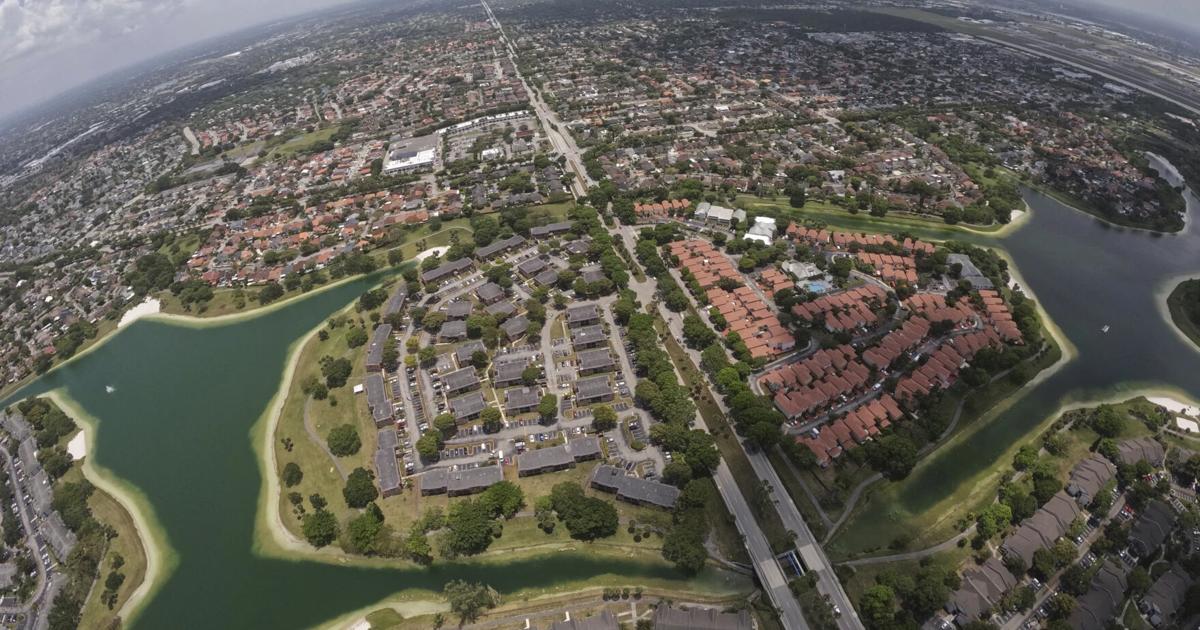
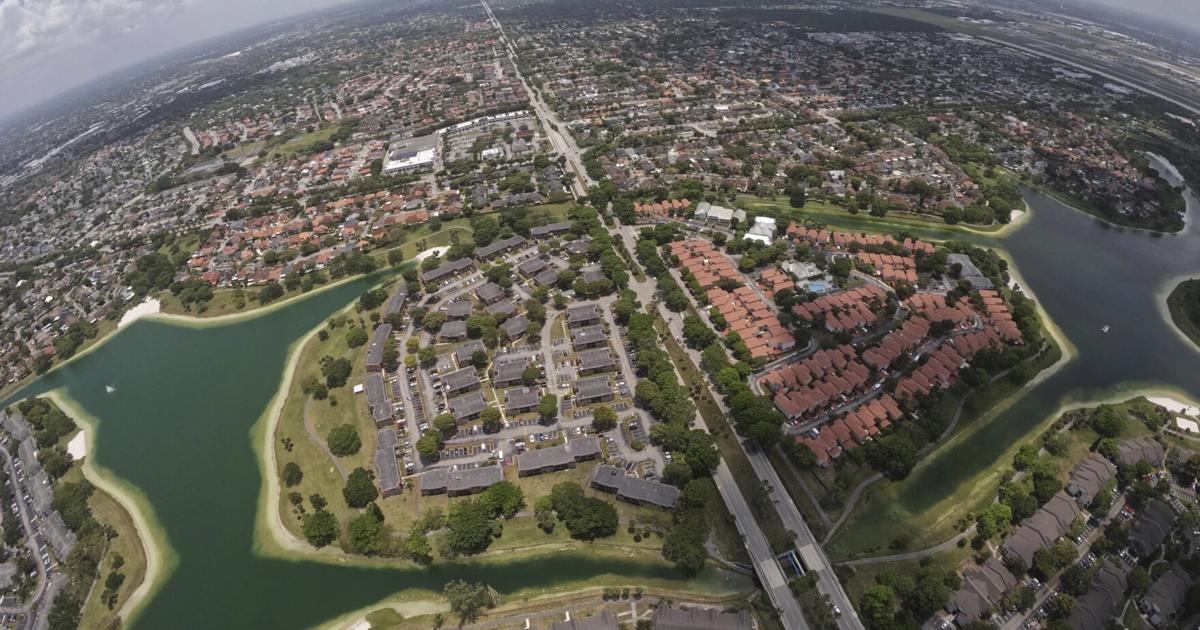
Lower interest rates, improving buyer confidence, and a resilient job market are setting the stage for a stronger South Florida real estate landscape in 2026. After a steadier‑than‑expected 2025, single‑family homes remain competitive, condos are stabilizing despite regulatory pressures, and commercial real estate continues to outperform national trends — giving industry professionals plenty to watch in the year ahead.

2026 Housing Market Outlook: Are We Finally Heading Toward Stability?

Economists across the housing industry are signaling that 2026 may finally bring a true market rebalance. With mortgage rates expected to ease, inventory slowly expanding and affordability showing its first real improvement in years, home sales could climb by 14% nationwide. Prices are projected to rise only modestly, builders are ramping up cautiously and shifting demographics are reshaping who’s buying—and what they’re looking for. For real estate and finance professionals, this more active and balanced landscape sets the stage for a strong year of opportunity.

Lower Interest Rates Spark New Optimism in South Florida’s 2026 Real Estate Market

South Florida enters 2026 with renewed confidence as easing mortgage rates, a solid job market, and stabilizing housing trends breathe life back into both single‑family and condo sectors. After an uneven 2025 marked by high costs and condo‑related challenges, lower borrowing rates are drawing buyers back, encouraging more homeowners to list, and positioning the region for a more balanced — though still competitive — year ahead.

Six Real Estate Trends Reshaping the U.S. Market in 2026

The U.S. real estate landscape is entering a defining year, driven by AI innovation, reimagined office spaces, immersive retail, and resilient industrial growth. Investors are becoming more selective, while ESG expectations are solidifying into essential standards for value and tenant demand. For professionals looking to stay competitive in 2026, understanding these shifts—and upskilling accordingly—will be key to navigating an industry rapidly transforming in real time.

Conforming Mortgage Credit Availability Plunges to Record Low as Lenders Tighten Standards

Conforming mortgage credit has dropped to its lowest level since the MBA began tracking it in 2011, signaling a major tightening in loan options as 2026 begins. December’s Mortgage Credit Availability Index fell 2.6%, driven by shrinking ARM offerings, fewer cash‑out refi programs, and stricter documentation requirements. With conforming loans seeing the sharpest decline—down 3.8%—both buyers and mortgage professionals face a more challenging lending landscape that demands stronger financial profiles and up‑to‑date industry knowledge.

Creative Strategies Are Finally Helping First-Time Buyers Break Into the 2026 Housing Market

A new NAR outlook shows that first-time buyers may finally be gaining traction in 2026 as rising inventory, easing rates, and creative financing strategies open long-awaited pathways into homeownership. From ARMs and government-backed loans to family support, grants, and co-buying, younger buyers are finding new ways to “make the math work.” Builders are also stepping in with incentives and expanded townhome construction, signaling a slow but meaningful shift toward improved affordability.