Commercial Real Estate Deal Growth Stalls: What Professionals Need to Know for 2026
Image courtesy of Cameron Academy
Commercial real estate investors tapped the brakes in October, delivering the first year‑over‑year slowdown in nearly two years and raising new questions about pricing expectations, interest rates, and what 2026 might hold for dealmakers. According to a recent report from Mortgage Professional America, the drop reflects a deepening disconnect between buyers and sellers — one shaped by persistent rate pressure and policy uncertainty.
A Market Caught in a Stalemate
Kevin Fagan, head of CRE capital market research at Moody’s, described the shift as less of a downturn and more of a “stalemate.” After a year of strength — especially across industrial and multifamily sectors — October marked the moment when the U‑shaped recovery from 2023’s lows began dragging.
Despite the slowdown, the month still brought in approximately $24.4 billion in sales, roughly 70% of October 2019 levels and above 2024 volumes. Yet transaction momentum has cooled sharply since 2023 as the cost of capital reshapes underwriting standards and reduces leverage across CMBS structures.
Multifamily Pulls Back While Hotels Push Forward
Multifamily — the darling of early‑2025 dealmaking — saw volumes fall 27% year‑over‑year in October. Many properties still trade above historical pricing, showing that investors value stable, income‑producing assets but want clearer rate direction before making aggressive offers.
Hotels, however, are telling a different story. Hospitality was the only sector to post higher year‑over‑year growth, up roughly 6%. A standout example: the New York Edition hotel at 5 Madison Avenue, purchased by Kam Sang Company for $231.2 million — a striking case of adaptive reuse and revitalized demand.
Similar wins at properties like the Woolworth Building highlight how conversions continue breathing life into once struggling office assets.
Office Sector: Discounts, Distress, and New Demand Drivers
Office investors are navigating both tough realities and fresh opportunities. The sale of Sotheby’s headquarters to Weill Cornell shows how medical and life‑science tenants are becoming essential in filling outdated space. Meanwhile, New York Life’s acquisition of a distressed Manhattan tower at nearly half its 2015 pricing reveals institutional appetite for discounted yet promising assets.
These shifts hint at a potential floor forming for office valuations — not a rapid rebound, but a healthier stabilization as we approach 2026.
Commercial Mortgage Originations Surge
Even as deal flow cools, mortgage activity is heating up. The Mortgage Bankers Association reported a 36% year‑over‑year jump in commercial and multifamily mortgage originations during Q3 2025, driven by a remarkable 181% surge in office lending.
Still, today’s lending climate is “volatile” and “unpredictable,” with strong preferences for industrial and multifamily over troubled office space.
Why This Matters for Professionals — and How Education Helps
For real estate, mortgage, finance, and insurance professionals, this shifting environment demands sharper analysis, stronger financial literacy, and a deep understanding of capital and market cycles.
Cameron Academy provides industry‑leading training for real estate, mortgage, insurance, finance, and more. Whether you’re beginning your professional journey or sharpening competitive skills, continuing education gives you the edge needed to thrive in evolving markets.
As the market awaits clarity on rates, pricing, and risk, informed professionals will be first to identify — and capitalize on — emerging opportunities in 2026.
More Articles
Getting licensed or staying ahead in your career can be a journey—but it doesn’t have to be overwhelming. Grab your favorite coffee or tea, take a moment to relax, and browse through our articles. Whether you’re just starting out or renewing your expertise, we’ve got tips, insights, and advice to keep you moving forward. Here’s to your success—one sip and one step at a time!
Los Alamitos Race Course is facing its most serious crisis in years after 18 horses died in 2025, prompting regulators to warn the track that its racing license is at risk without immediate safety reforms. Following three catastrophic injuries in a single day, the California Horse Racing Board has ordered urgent changes—including more veterinarians, stricter medication rules, and enhanced on‑track medical support—as pressure mounts for stronger oversight in a sport already under national scrutiny.
Canadian investors have poured more than US$5.8 billion into U.S. commercial real estate this year, making the U.S. their top destination even amid a lingering tariff dispute. Tight inventory in Canada and greater deal availability south of the border are driving the trend, with data centers and industrial properties emerging as the hottest targets for 2025.
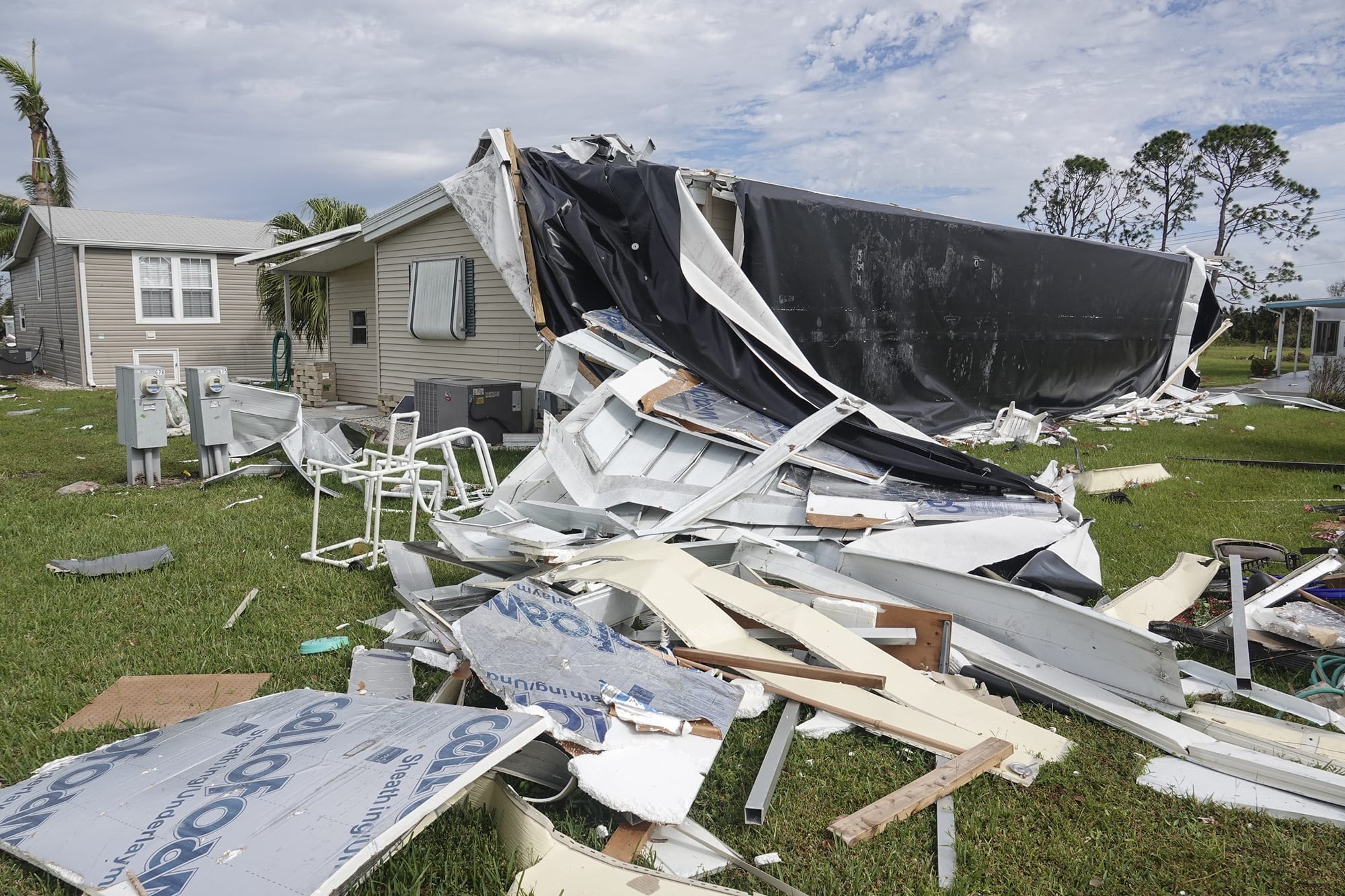
Florida’s insurance commissioner says even industry pros struggle to read today’s 150‑page homeowners policies—leaving residents shocked when hurricane claims are denied. With rising premiums, high replacement costs, and widespread confusion over exclusions like flood and water damage, the state is pushing for simpler, clearer policy language so homeowners know what they’re actually covered for before the next storm hits.
Following the 2025 elections, major metros like New York, Chicago, Miami, Los Angeles, and Boston are implementing policy shifts that could reshape property values, rental income, development timelines, and investment strategy heading into 2026. From New York’s push toward aggressive rent reform to Chicago’s sustainability mandates and Miami’s uncertain mayoral runoff, these changes signal a new era where local politics increasingly dictate market performance. This breakdown highlights the biggest post‑election real estate pivots and what they mean for investors, agents, and finance professionals preparing for a rapidly evolving landscape.
Florida’s Insurance Commissioner is sounding the alarm after thousands of homeowners discovered—only after hurricanes Helene and Milton—that the coverage they thought they had didn’t exist. With nearly 150,000 unpaid claims tied to misunderstood flood exclusions, water‑damage caps, and buried policy clauses, state leaders are pushing to simplify the dense, confusing documents most Floridians never read. As insurance costs remain one of the state’s top concerns, this growing complexity is creating a massive opportunity for real estate, mortgage, and insurance professionals to guide consumers before disaster strikes.
Florida’s insurance market is reliving an old crisis under a new name. Despite reforms meant to stabilize the system, homeowners are being forced out of Citizens and into pricier policies from small insurers with shaky financial histories. Companies tied to past insolvencies are returning with fresh branding, while highly rated carriers continue to deny a majority of claims. With political influence muddying regulation and climate risks rising, experts warn that only a full structural overhaul—not cosmetic reforms—can restore confidence for homeowners, agents, and the entire real estate market.