Commercial Real Estate Deal Growth Stalls: What Slowing Momentum Means for 2026
Commercial real estate investors hit the brakes this October, marking the first year‑over‑year decline in deal volume since early 2024. After nearly two years of strong momentum, the market’s sudden hesitation has thrown a spotlight on widening pricing gaps, elevated financing costs, and the ongoing standoff between CRE buyers and sellers.
According to Mortgage Professional America, the slowdown doesn’t signal a collapse—rather, it underscores how far pricing expectations have drifted apart in today’s high‑rate environment. Kevin Fagan, head of CRE capital market research at Moody’s, described October’s numbers as a sign of an extended stalemate rather than an impending downturn.
Deal Volume Still Active, but Momentum Slows
Despite the cooling pace, October still delivered $24.4 billion in U.S. CRE sales—roughly 70% of the volume seen in October 2019. Total 2025 deal activity remains above 2024 levels. But as Moody’s data shared with CNBC reveals, the rapid growth seen in late 2024 and early 2025 has lost steam.
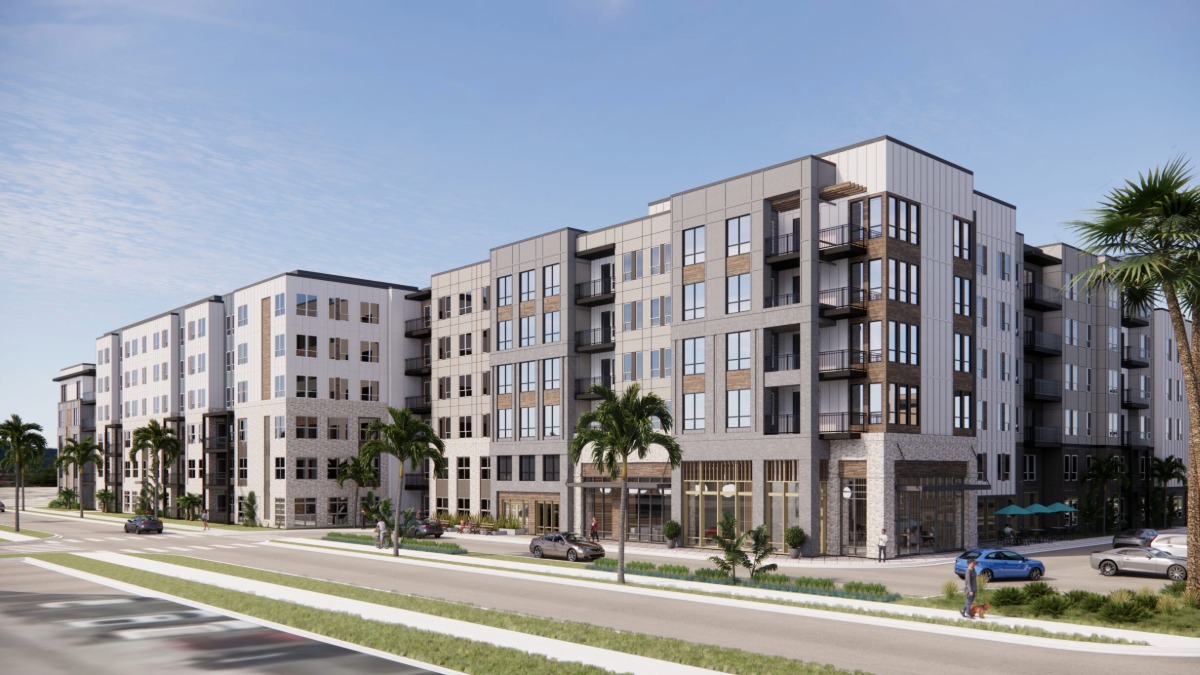
Multifamily took the sharpest hit, with a steep 27% drop in October deal volume. Yet, many multifamily assets still trade at premiums—showing that while demand is strong, pricing has become more tangled and competitive.
Hospitality Surges as Conversions Reshape the Market
The hospitality sector emerged as the only segment with a year‑over‑year increase, rising approximately 6%. A standout transaction was the sale of the New York Edition hotel from Abu Dhabi Investment Authority to Kam Sang Company for $231.2 million.
Kevin Fagan highlights a broader trend: struggling office buildings transforming into valuable hotel or residential conversions. Iconic projects such as the Woolworth Building illustrate how adaptive reuse continues to redefine the CRE landscape.
Meanwhile, value‑seeking buyers made headlines when New York Life acquired a Manhattan office tower for nearly half its 2015 valuation. Institutional investors are circling distressed but well‑located assets—hinting that prime office space still offers long‑term promise.
Commercial Mortgages: A Volatile but Active Landscape
The third quarter of 2025 brought a powerful resurgence in mortgage originations. According to the Mortgage Bankers Association, commercial and multifamily lending jumped 36% year‑over‑year.
Even more surprising: office lending surged 181%. Despite the sector’s challenges, lenders are selectively backing properties with conversion potential or those supported by medical and life‑science tenants—two fields rapidly absorbing obsolete office inventory.
What This Means for 2026
This slowdown suggests 2026 will be shaped not only by fundamentals like rent growth and occupancy, but by how quickly market participants recalibrate expectations in a higher‑cost environment.
For commercial originators, investors, brokers, and analysts, this means strengthening market literacy—particularly around evolving debt markets, valuation resets, and underwriting shifts. And professionals entering or upskilling in real estate, mortgage, or finance will need sharper insights and stronger training than ever.
This is where institutions like Cameron Academy play a crucial role. With licensing education, continuing education, and professional development across real estate, mortgage, insurance, and financial services, Cameron Academy helps future‑focused professionals stay competitive, confident, and opportunity‑ready.
As the market transitions into its next cycle, knowledge isn’t just power—it’s deal flow, resilience, and long‑term career growth.
More Articles
Getting licensed or staying ahead in your career can be a journey—but it doesn’t have to be overwhelming. Grab your favorite coffee or tea, take a moment to relax, and browse through our articles. Whether you’re just starting out or renewing your expertise, we’ve got tips, insights, and advice to keep you moving forward. Here’s to your success—one sip and one step at a time!
Landmark Properties has officially begun construction on The Mark Tampa, a six‑story luxury student community featuring over 800 beds, rooftop amenities, study spaces, retail, and modern unit layouts. Set to open before the 2027–2028 school year, the project signals strong investor confidence in North Tampa’s booming student housing market.
Florida’s property and auto insurance crisis is intensifying, setting the stage for a major political showdown ahead of the 2026 elections. Republicans argue recent reforms are finally stabilizing the market, while Democrats insist families are being crushed by soaring premiums and can’t wait for relief. With homeowners, condo associations, and insurers all feeling the pressure, lawmakers are preparing for one of the most consequential legislative battles in years.
Markets are betting heavily on a Federal Reserve rate cut in December, but that doesn’t guarantee lower mortgage rates. Even with an 85% chance of a cut priced in, mortgage rates move more with the 10‑year Treasury than the Fed itself — and recent history shows rates can rise even when the Fed eases. Today’s 6.43% average rate is the lowest in over a year, but still unpredictable, making financial readiness more important than trying to time the market.
Grand Junction is experiencing a powerful commercial real estate upswing, with 151 commercial units closed so far in 2025—a 36% jump from last year. Building permits are also up 23%, signaling expanding development momentum. Brokers say interest from national chains is accelerating the city’s evolution, bringing jobs, investment, and long‑term economic potential to Colorado’s Western Slope.
Nashville continues its rise as one of the nation’s most attractive real estate markets, landing the #6 spot in the Emerging Trends in Real Estate 2026 report from PwC and ULI. With strong demographic momentum, business expansion, and a development pipeline drawing national eyes, the city stands out amid shifting economic conditions. The report highlights fast‑growing sectors such as data centers, senior housing, and evolving office dynamics—offering real estate professionals valuable insight into where opportunities are emerging next.
Canada’s commercial real estate sector continues to evolve rapidly, with new data revealing major transactions, shifting investment patterns, and emerging economic signals across the country. From resilient retail spending to cooling construction and regional standouts like Montreal and the Prairies, this week’s CRE pulse—powered by Altus Group’s research team—gives real estate, mortgage, and finance professionals a sharp snapshot of the market forces to watch as 2025 winds down.