Commercial Real Estate Faces Uncertain Terrain

As the commercial real estate industry peers into the future, a landscape fraught with challenges and opportunities comes into focus. The complexities of economic shifts, policy changes, and emerging trends have created a dynamic environment for stakeholders. This outlook, as detailed in Deloitte’s 2025 Commercial Real Estate Outlook, highlights the pivotal changes shaping the industry.

Economic Shifts and Policy Changes

The United States Economic Forecast: Q2 2024 by Robyn Gibbard underscores the economic fluctuations impacting real estate markets. Similarly, the Eurozone’s economic outlook, analyzed by Dr. Alexander Boersch and Dr. Pauliina Sandqvist, reveals how policy adjustments, like the ECB’s rate cuts, are being received by the industry.
In India, Dr. Rumki Majumdar’s insights provide a regional perspective, while Ira Kalish’s global economic outlook offers a broader view of the challenges and opportunities on the horizon. These reports, collectively, suggest that the commercial real estate sector must adapt to a rapidly changing economic landscape.

Interest Rates and Market Dynamics

Interest rate adjustments are a significant factor influencing the real estate market. The Bank of England’s decision to cut rates for the first time since 2020, as reported by Eshe Nelson, reflects a strategic move to stimulate economic growth. Similarly, the Federal Reserve’s openness to a potential rate cut, as mentioned by Jeanna Smialek, indicates a cautious approach to managing inflation.
These monetary policy shifts are crucial for real estate investors, as they directly affect borrowing costs and investment returns. Stakeholders must stay informed and agile to navigate these changes effectively.

Emerging Trends and Opportunities

The commercial real estate industry is also witnessing the emergence of new trends that present both challenges and opportunities. The rise of remote work, the increasing importance of sustainable building practices, and the integration of technology are reshaping the sector. Adapting to these trends will be essential for long-term success.
As the industry moves towards 2025, the ability to innovate and embrace change will be key. Stakeholders must be proactive in identifying opportunities amidst uncertainties. The insights provided by Deloitte’s comprehensive outlook serve as a valuable guide for navigating this evolving landscape.

More Articles

Getting licensed or staying ahead in your career can be a journey—but it doesn’t have to be overwhelming. Grab your favorite coffee or tea, take a moment to relax, and browse through our articles. Whether you’re just starting out or renewing your expertise, we’ve got tips, insights, and advice to keep you moving forward. Here’s to your success—one sip and one step at a time!

Florida’s Middle Class Is Being Squeezed Out: Insurance Costs, Rebuilding Struggles, and a Changing Coastline

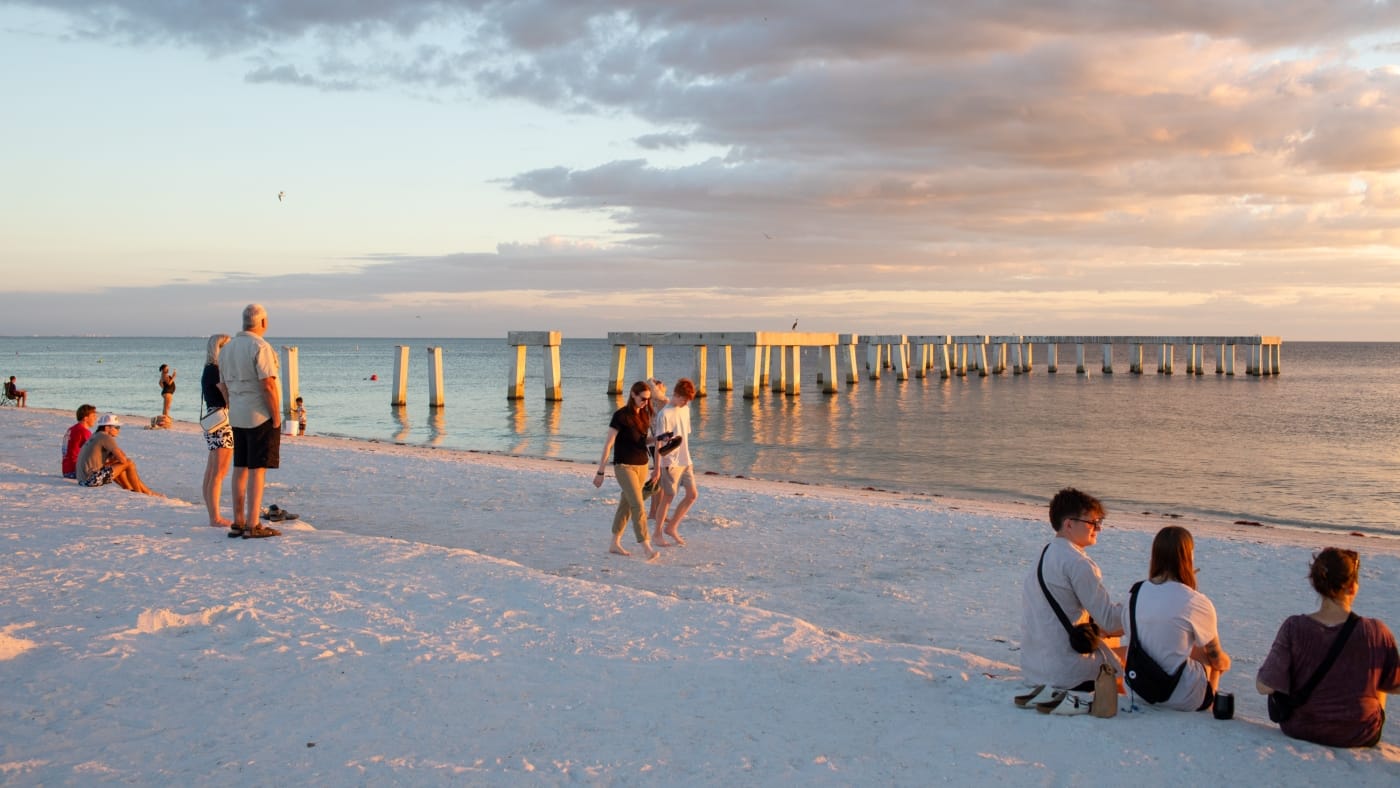
Fort Myers Beach is becoming the front line of a new Florida—one shaped by hurricane devastation, soaring insurance premiums, and rapid gentrification. Three years after Hurricane Ian, residents are still battling massive rebuilding costs and insurance bills that now exceed $5,700 a year on average, with flood insurance reaching $10,000 for some families. Long-time locals, small businesses, and service workers are being priced out as wealthy investors move in, transforming once-affordable coastal communities. Real estate professionals warn that foreclosures may rise if economic pressures continue, signaling a pivotal moment for Florida’s housing market and the professionals who serve it.

Top 2026 Commercial Real Estate Issues Every Professional Should Watch

Economic uncertainty, AI disruption, slowing population growth, and rising portfolio risk are reshaping commercial real estate heading into 2026. A new report unveiled at NAR NXT highlights the forces that will reward informed professionals — and challenge those who aren’t prepared. From fiscal policy and shifting capital flows to tech transformation and housing shortages, the landscape is evolving fast. Cameron Academy breaks down the key issues so real estate, mortgage, finance, and insurance professionals can stay ahead of the curve.

Federal Climate Funding Pulled, Leaving Billions in Real Estate Risk Exposed

A sudden federal shutdown of FEMA’s BRIC resiliency program has left cities and commercial property owners scrambling, exposing billions in real estate to rising climate threats. With nearly a billion dollars in mitigation funding clawed back and extreme weather intensifying, insurance premiums are expected to surge and coverage may shrink — placing new pressure on markets like Florida and New York.

Florida Lawmakers Push Bill to Limit Local Power Over Housing Approvals

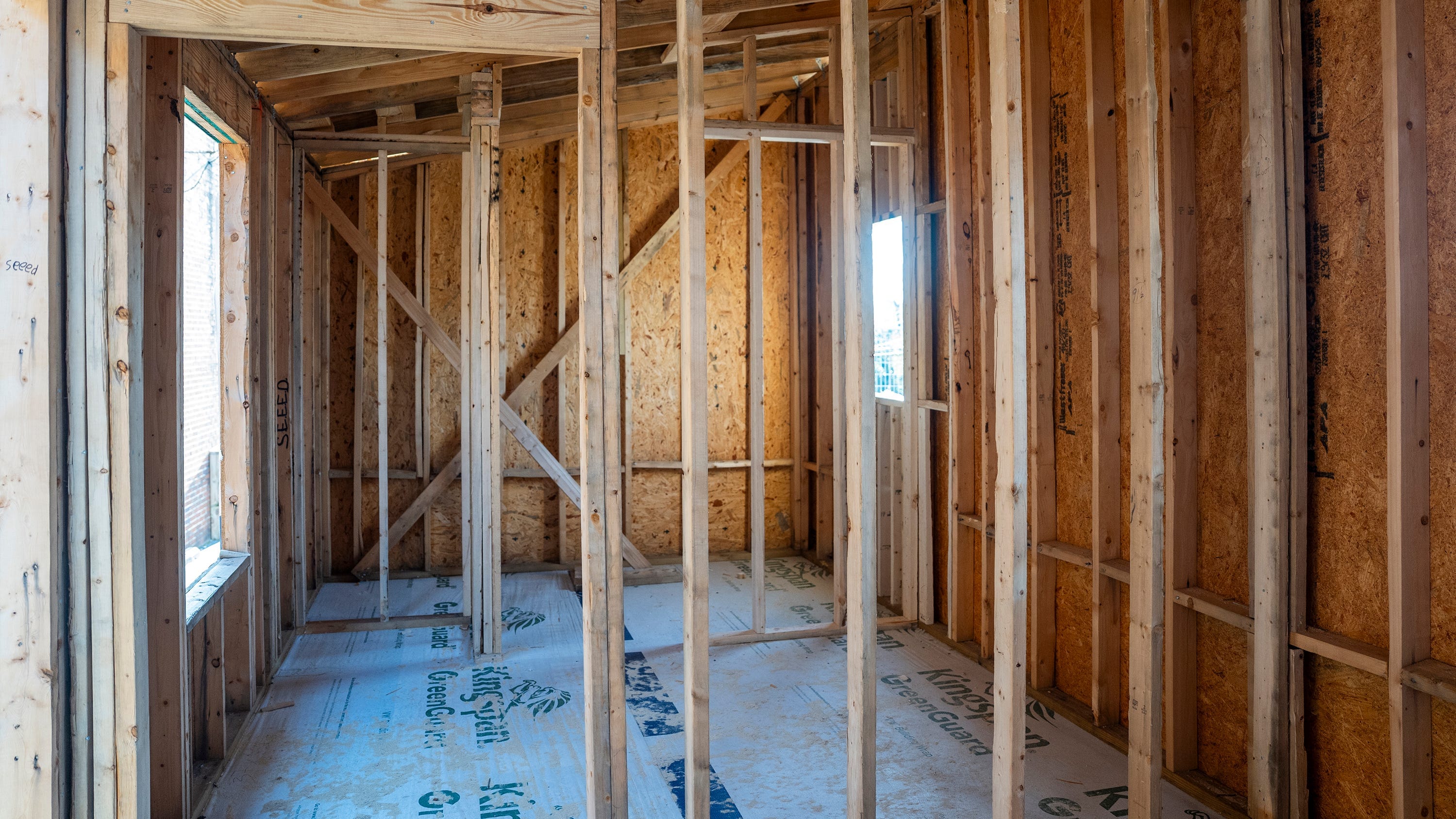
A new Florida Senate bill aims to stop cities and counties from blocking residential developments over vague “compatibility” concerns. Supporters say the measure would speed up homebuilding and ease housing shortages, while opponents argue it strips communities of essential oversight and could accelerate growth without proper planning. The proposal could reshape development timelines and land-use decisions statewide, making it a major issue for real estate professionals to watch.

Cape Coral Housing Market Shifts in Favor of Buyers as Homes Linger 119 Days

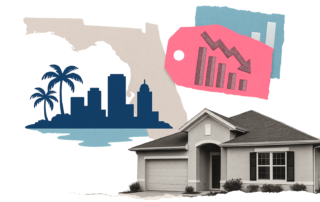
Cape Coral–Fort Myers has officially moved into buyer-friendly territory, with homes now sitting a median 119 days on the market—far longer than both the Florida and U.S. averages. Rising inventory, a 36.9 percent price‑reduction rate, and slower absorption compared to accumulated supply are giving buyers more leverage and time to negotiate, signaling a meaningful reset in this once‑fast‑moving Florida market.

Kansas City’s Commercial Real Estate Market Finds Its Momentum Again

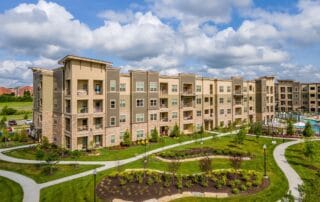
Kansas City’s commercial real estate sector is finally turning a corner after several years of sluggish activity. Retail is leading the rebound, while multifamily and industrial properties are gaining traction as pricing stabilizes and buyer confidence returns. A standout 2025 transaction—the sale of the 380‑unit Cyan Southcreek community—signals that capital is flowing back into the market. With bid‑ask spreads tightening and investor optimism rising, Kansas City is entering a period of renewed opportunity for real estate professionals and investors alike.