Commercial Real Estate Trends: Caution, Cool Spaces, and the Art of Rightsizing
If you’ve ever heard the phrase “location, location, location,” you know the rule. Today, that timeless real estate mantra has taken on a modern twist — especially in Maine, where companies are now using office location and design as strategic tools for attracting top-tier talent.
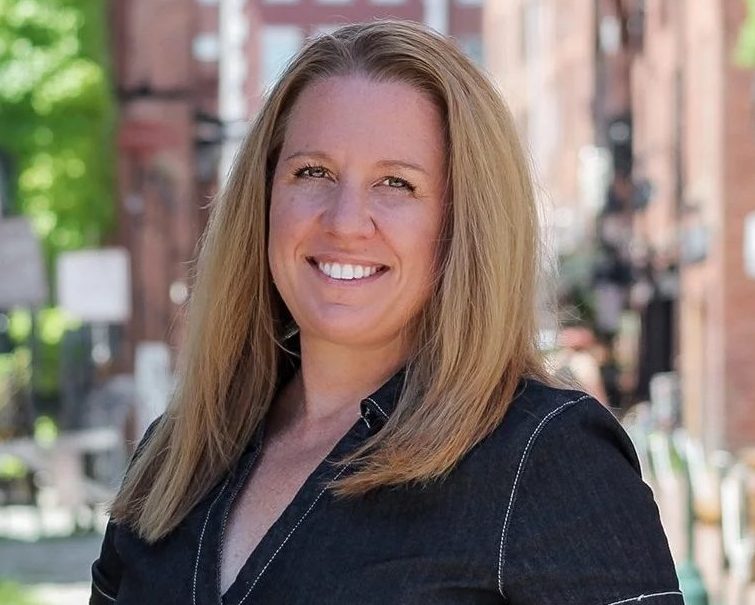
This insight comes from Jennifer Small, partner at Malone Commercial Brokers and vice president of MEREDA, who recently shared her market outlook during the Mainebiz Five on the Future forum. Mainebiz later followed up with her to dig deeper — and the trends she outlined paint a picture of a market cautiously preparing for what’s next.
A Shift Toward High‑Quality Spaces and “Rightsizing”
For companies trying to lure skilled graduates from competitive hubs like Cambridge, Massachusetts, the office’s surroundings have become a major selling point.
“Is it near places where they can do some shopping at lunch and go to a cool restaurant after work?” Small asked. Today’s workforce expects more from their environment — and businesses are adapting quickly.
Many companies are downsizing or “rightsizing” their spaces to match hybrid work realities. The emerging trend? Smaller, high‑quality offices with amenities that make employees genuinely want to come in.
“We’re seeing a lot of kitchens in offices that look like a Starbucks — very trendy,” Small added. It’s part of a broader flight to quality, where workspace evolves into an experience.
Downtown Strong, Suburban Spaces Not So Much
The downtown Portland office market remains solid, with vacancy around 9% — slightly higher than last year but still steady. Suburban markets, however, such as South Portland near the mall, show more noticeable vacancy over the last 12 to 24 months.
Single‑tenant users for large suburban offices? “Few and far between,” Small noted.
Lease rates have stayed stable, but landlords are offering more incentives: tenant improvement allowances, free rent periods, and creative deal sweeteners. Meanwhile, older buildings are being evaluated for adaptive reuse — ranging from residential to hospitality to mixed‑use concepts.
Industrial Market: From Pandemic Surge to Gentle Cooldown
Industrial real estate had one of the hottest runs of the last decade. Lease rates jumped from a long‑standing $3.50 per square foot to as high as $14. Now, the intensity is cooling slightly.
Vacancy has crept up to 3.4% from 2.6% last year, and demand — especially for larger industrial spaces — has slowed. Still, smaller spaces under 5,000 square feet remain in strong demand.
Inventory is sitting longer, Small said, though sales activity appears stronger than leasing as supply remains limited.
Developers Hesitate, but Multifamily and Hotels Show Promise
“If we’re seeing construction happen, it’s a strong indicator of confidence,” Small explained. But many developers are cautiously filing permits… then waiting. They’re watching construction costs and interest rates closely before taking the next step.
Still, there’s bright news: multifamily housing and hospitality projects continue to move forward. Small expects two to three new hotels — and noted she once believed Portland was “full” six hotels ago.
A Market Holding Its Breath for 2026
Across nearly every sector, one theme stands out: caution. Businesses are staying put, waiting for the market to clarify and watching interest rates closely.
“Stagnation and patience are the trends in real estate for 2026,” Small said.
For professionals navigating today’s shifting commercial landscape, understanding these trends is essential — and staying educated is more important than ever. Organizations like Cameron Academy continue to help professionals in real estate, mortgage, insurance, and finance stay ahead of industry shifts that shape tomorrow’s opportunities.
Getting licensed or staying ahead in your career can be a journey—but it doesn’t have to be overwhelming. Grab your favorite coffee or tea, take a moment to relax, and browse through our articles. Whether you’re just starting out or renewing your expertise, we’ve got tips, insights, and advice to keep you moving forward. Here’s to your success—one sip and one step at a time!
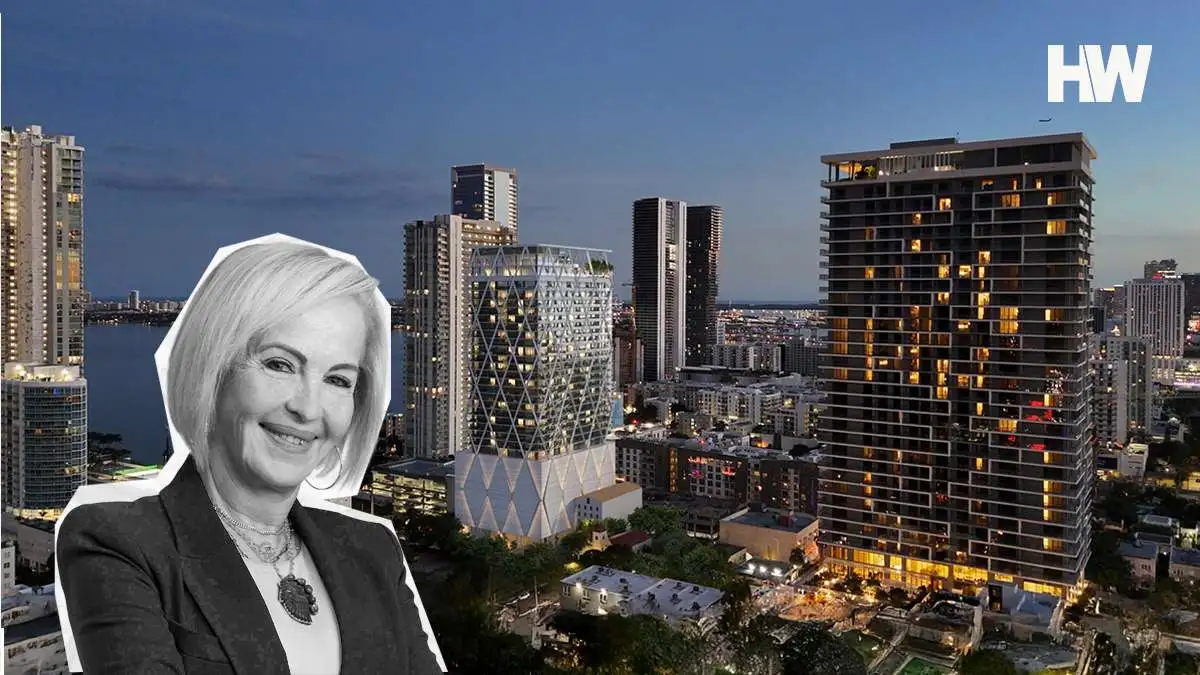
Miami’s luxury condo market has many success stories, but few rise to the level of Maile Aguila. After closing more than $1 billion in sales in 2024, Aguila has become one of the most influential forces in Brickell and downtown Miami. From her beginnings in accounting to becoming the go‑to expert for high‑end developments, her journey offers a blueprint for new agents: specialize, become hyper‑local, master the soft sell, and make yourself indispensable. Her story shows that passion, knowledge, and relentless learning are the keys to breaking into Miami’s booming luxury market.
Former NFL defensive tackle Kendal Vickers has traded stadium lights for property listings, launching a fast-rising real estate career after earning licenses in both Florida and Tennessee. Drawing on his construction background and the discipline he built in the league, Vickers quickly closed early deals and now leads sales for two major residential developments. Motivated by helping families find homes, he’s proving that with grit, education, and the right mindset, a powerful second act is possible—on or off the field.
A shifting housing market and evolving regulations are making title insurance more critical than ever in 2026. Cortes and Hay, a New Jersey title agency with over 50 years of experience, breaks down the essential factors every buyer and investor should understand—from the importance of thorough title searches to the growing need for investor protection, ALTA best practices, and expert guidance on 1031 exchanges. This updated snapshot helps consumers and future real estate professionals navigate today’s complex closing landscape with confidence.
Nearly half of today’s homebuyers expect to use AI in their buying journey, and Florida is becoming a leading testing ground. New platforms like Homa are automating most of the homebuying process, delivering major savings to buyers while still blending in human expertise. As both tech-driven tools and traditional agents adapt, the future of Florida real estate will rely on professionals who can combine smart technology with real-world experience.
Florida’s once‑red‑hot investment market is cooling fast, with cities like Orlando, Fort Lauderdale, and Jacksonville seeing steep drops in investor purchases. Rising insurance costs, swelling inventory, and squeezed profit margins are pushing investors to pause—or look elsewhere. But West Palm Beach stands apart, surging with luxury demand as it cements its status as “Wall Street South.”
With mortgage rates nearly a full point lower than last year and inventory slowly rising, 2026 is opening the door for more buyers to re-enter the market. Competition has cooled, bidding wars have eased, and sellers are more flexible than they’ve been in years. While winter weather temporarily slowed sales, spring is expected to bring renewed momentum. For buyers with steady finances and long‑term plans, this year may offer one of the most balanced markets since the frenzy of 2021–2022.