Commercial Real Estate in 2026: A Stabilizing Market Poised for a Comeback

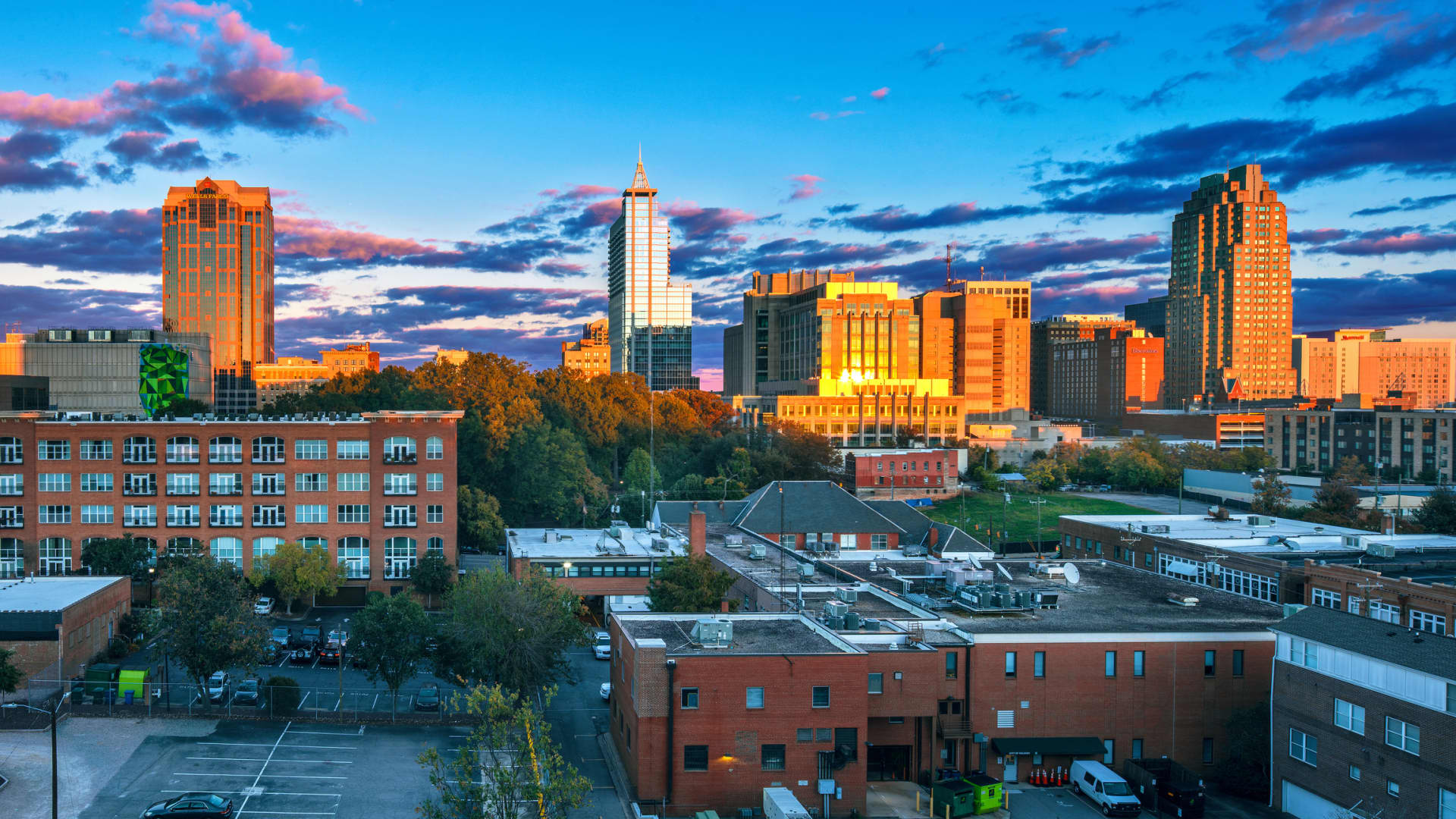
Modern commercial real estate skyline

The commercial real estate market enters 2026 with a renewed sense of momentum, cautious confidence, and finally some much‑needed stabilization. After a 2025 that didn’t quite match expectations, analysts now forecast a year where recovery extends across nearly every asset class. For those who follow CRE closely, this long‑awaited shift feels both refreshing and overdue.

This insight-rich forecast originally appeared in CNBC’s Property Play newsletter by Diana Olick. If you appreciate deep‑dive market intelligence, it’s well worth subscribing through CNBC’s official newsletter portal.

A New Equilibrium for Investors

Major research firms—Colliers, Cushman & Wakefield, CoStar, and PwC—are surprisingly aligned: the market is settling into a “new equilibrium.” Deloitte’s global CRE survey reveals that 83% of industry leaders anticipate revenue growth by the end of 2026.

While elevated expenses remain a concern, easing interest rates and improving access to capital are helping counter earlier headwinds like tariffs, regulatory barriers, and construction delays.

Capital Markets Reawaken

Colliers projects a 15–20% increase in sales volume this year, supported by stronger pricing stability and renewed interest from institutional and cross-border investors. CoStar’s latest data even shows early signs of cap rate compression, an encouraging signal for valuation recovery.

Banks are gradually re-entering lending, and corporate bond markets are showing greater risk tolerance. Capital—after a sluggish 2025—is flowing once again.

Office: A Bottoming Market With New Opportunities

Office vacancy rates are projected to dip below 18% as tenants re-engage the market and hybrid work models settle into a long-term rhythm. Class A office demand remains strong, and with construction at a 30‑year low, premium spaces are becoming increasingly competitive.

Emerging tech hubs like San Francisco, San Jose, Austin, New York, Dallas, and Nashville continue benefiting from AI-driven employment growth and diversified economic ecosystems.

Industrial, Retail, and Multifamily: Mixed but Meaningful Momentum

Industrial construction has fallen 63% since 2022, but demand driven by reshoring, logistics, manufacturing, and data centers is expected to fuel absorption of 220 million square feet.

Retail continues reinventing itself, with brands moving into nontraditional spaces such as hospitality and multifamily environments. Smaller footprints and walkable mixed‑use corridors are outperforming legacy big‑box models.

Multifamily rents are softening due to record‑high unit deliveries, but investor interest remains strong—even as capital begins to diversify into other sectors.

Data Centers: The Standout Performer

The data center market remains a powerhouse, with development pipelines fully pre‑leased in nine global metros. However, zoning challenges, grid strain, and political resistance are emerging as barriers to growth.

REITs Could Become 2026’s Surprise Winners

With valuation resets, mergers, and public‑to‑private opportunities increasing, REITs may be poised for a major rebound. Historically, when public and private valuations reconverge, REIT performance follows strongly.

What This Means for Professionals

For agents, brokers, investors, and commercial specialists, 2026 represents a strategic reset. With capital returning and fundamentals stabilizing, the industry is shifting from survival mode to opportunity mode.

Those who expand their expertise, sharpen their skills, and stay ahead of sub‑market trends will be best positioned to thrive.

Looking to elevate your real estate expertise in 2026? Cameron Academy proudly supports professionals across Florida—and nationwide—in earning licenses, upgrading skills, and staying competitive in a transforming market. Whether you’re stepping into commercial real estate or expanding your investment strategies, our courses are designed to keep you ahead of the curve.

Commercial real estate is entering a new chapter—one defined by stabilization, renewed capital flow, and the return of genuine opportunity. For many professionals, 2026 may be the year where resilience finally pays off.

Source: CNBC – What to Expect for Commercial Real Estate in 2026

More Articles

Getting licensed or staying ahead in your career can be a journey—but it doesn’t have to be overwhelming. Grab your favorite coffee or tea, take a moment to relax, and browse through our articles. Whether you’re just starting out or renewing your expertise, we’ve got tips, insights, and advice to keep you moving forward. Here’s to your success—one sip and one step at a time!

Illinois Launches 2026 With 200+ New Laws Reshaping Work, Healthcare, and Education

Illinois kicked off the new year with more than 200 laws taking effect, impacting professionals across healthcare, insurance, real estate, education, and other regulated industries. From major healthcare coverage expansions to new AI hiring limits, enhanced worker protections, school safety reforms, and upgraded public‑safety standards, nearly every sector will see meaningful changes. As compliance expectations grow, institutions like Cameron Academy help professionals stay prepared and career‑ready in an evolving regulatory landscape.

Why Distressed Properties Could Become the Top Commercial Real Estate Opportunity of 2026

As commercial real estate moves beyond two turbulent years, 2026 is emerging as a year of growth for professionals who know where to look. According to First American economist Xander Snyder, the biggest wins may come not from booming sectors but from distressed properties—especially those with short‑term issues that can recover with creative financing, recapitalization, or strategic repositioning. Multifamily distress, selective office restructuring, and the rise of non‑QM lending are setting the stage for brokers, investors, and new licensees to capitalize on flexible deal‑making and evolving market conditions.

2026 Becomes America’s Housing Turning Point

Housing is taking over the national spotlight in 2026, with federal leaders, big‑city mayors, and market professionals all zeroing in on affordability, supply, and sweeping policy changes. From President Trump’s promised reform agenda to looming Section 8 funding risks and aggressive city‑level zoning overhauls, the year is shaping up to be one of the most consequential periods for real estate and related licensed professions. For agents, mortgage brokers, insurance specialists, and anyone tied to the housing ecosystem, rapid shifts in policy and market conditions make 2026 a year where preparation, education, and adaptability will be essential.

When a Familiar Voice Becomes a Perfect Fake: AI Fraud Strikes Real Estate Finance

A lender wires $4.2 million after receiving what sounded like a routine call from a borrower’s attorney—same voice, same tone, same mannerisms. By morning, the truth emerges: the email was hacked, the phone call was an AI‑generated voice clone, and the money is gone. As scammers use AI to mimic voices, emails, and documents with startling accuracy, real estate finance has become a prime target. The industry’s growing reliance on AI brings efficiency, but also dangerous new vulnerabilities, pushing regulators, insurers, and professionals to rethink verification, security, and trust itself.

Americans Are Moving Differently — And It’s Reshaping Commercial Real Estate

A new wave of migration is changing the shape of commercial real estate as Americans trade costly metros for more affordable, lifestyle-friendly regions. Smaller Southern and mid‑Atlantic markets are gaining momentum, while pandemic boom states like Florida, Texas, and Arizona are now leveling off. These shifts are influencing demand for housing, retail, office parks, warehouses, and even self‑storage, signaling both fresh opportunities and heightened caution for investors and real estate professionals.

Florida May Slash or Eliminate Property Taxes in 2026, Sparking Hope and Alarm Across the State

Florida is gearing up for a potential overhaul of its property tax system, with lawmakers pushing proposals that could dramatically reduce or even eliminate property taxes by 2026. Homeowners facing rising bills welcome the idea, but city and county leaders warn it could cripple essential services like police, fire response, and local infrastructure. As political tensions escalate — including accusations of overspending and sharp pushback from local officials — real estate professionals should prepare for major market impacts if reforms move forward.