Commercial Real Estate in 2026: A Year of Stabilization, Strategy, and Smart Opportunities
Commercial real estate is entering 2026 with a renewed sense of momentum — something investors, brokers, and seasoned professionals have been eagerly anticipating. According to a fresh analysis from
CNBC’s Property Play, the market is finally pulling away from a rocky 2025 and sliding into a more stable phase shaped by improved visibility,
price floors, and strategic capital flows.
For learners and professionals sharpening their edge through Cameron Academy — especially in real estate, mortgage, insurance, and financial licensing — these insights provide powerful
context for the opportunities ahead.
General Investment Outlook
2026 is showing cautious optimism. Research from Colliers, Cushman & Wakefield, KBW, and CoStar highlights an environment of “equilibrium” and “price stability”.
Deloitte’s survey of 850 CRE executives reveals that 83% expect revenue growth by the end of the year — a huge confidence boost.
Tap to Expand: Why Investors Are Shifting Strategies
Higher operating expenses and selective capital deployment continue to reshape investor strategy. And while growth expectations softened slightly from 2025, investor confidence remains stronger than in 2023.
Lenders and institutional players are gradually returning — meaning fresh opportunities for those positioned early.
Capital Markets Reawaken
Colliers expects a 15%–20% rise in sales volume in 2026. CoStar adds that cap rates may decline as confidence gradually returns.
Bond markets are also showing renewed risk appetite — a promising combination for liquidity and deal‑making.
Tap to Expand: Key Capital Market Shifts
• Banks are easing restrictions on CRE loans.
• Q3 sales volume surged 40% year over year.
• Investors are moving cautiously, but steadily, back into risk‑on territory.
More liquidity means more competition — and more openings for skilled professionals.
After several turbulent years, office demand has finally found its floor. Vacancy rates are projected to fall below 18% as employers push toward premium, hospitality‑driven workspaces
designed for hybrid teams.
Growth hotspots include San Francisco, Austin, Atlanta, and Nashville.
Industrial Market
Industrial construction is down 63% from 2022, yet demand is roaring back thanks to reshoring, AI‑enhanced manufacturing, and massive data center growth. Net absorption could reach
220 million square feet.
Retail Market
Retail continues its evolution. Over 26 million square feet of retail was leased in previously non‑retail spaces in 2025. Brands like Starbucks, Chick‑fil‑A, and Jersey Mike’s
are leading the movement toward smaller footprints and high‑traffic walkable zones.
Tariffs may create pricing pressure, but consumer demand remains solid.
Multifamily & Data Centers
Multifamily rents are stabilizing as new supply floods key markets. Meanwhile, data centers have become the rockstars of commercial real estate — with some global markets reaching
100% pre‑leasing on new pipelines.
Still, zoning, financing, and local resistance could tap the brakes on future builds.
REIT Outlook
Although REITs underperformed in 2025, experts expect a strong rebound in 2026. PwC forecasts rising M&A activity as firms search for value.
Nareit also projects that pricing gaps between REIT markets and private CRE will narrow — setting the stage for potential investor gains.
What This Means for You
Commercial real estate is entering a smarter, more stable chapter — offering big opportunity for professionals who understand where the market is headed.
If you’re preparing for licensing or professional advancement through Cameron Academy, this is the perfect time to elevate your knowledge and strategy.
Special thanks to
CNBC’s Property Play
for their outstanding analysis and industry insights.
More Articles
Getting licensed or staying ahead in your career can be a journey—but it doesn’t have to be overwhelming. Grab your favorite coffee or tea, take a moment to relax, and browse through our articles. Whether you’re just starting out or renewing your expertise, we’ve got tips, insights, and advice to keep you moving forward. Here’s to your success—one sip and one step at a time!
Florida now holds the highest foreclosure rate in the country, and Tampa sits at the center of the surge. With one in every 1,373 homes facing foreclosure, skyrocketing insurance premiums, rising housing costs and reduced equity are pushing many homeowners—especially those who purchased between 2020 and 2023—into financial distress. While some experts view the spike as a market “normalization,” professionals in real estate and finance are watching closely as Tampa’s backlog clears and pressure continues to build across the state.
Two former 3M campuses in Northwest Austin are set for a dramatic rebirth as Karlin Real Estate pushes forward with plans for Highpoint 2222 and the Duval site. The vision includes office and lab space, up to 65,000 square feet of retail, more than 1,200 multifamily homes, and new green space. With over 500 residents weighing in through the 2222 Coalition of Neighborhood Associations, traffic, density, and environmental protections are shaping the final blueprint. As office demand cools, mixed‑use development is becoming the new normal—positioning this corridor for one of the biggest transformations Austin has seen in years.
Despite constant headlines about a “housing crisis,” many economists and industry professionals argue the reality is more nuanced. In many regions, the issue isn’t a lack of homes but a mismatch between what’s available and what buyers want or can afford. As demographic shifts and remote work reshape demand, the market is evolving—not collapsing—creating opportunities for real estate, mortgage, insurance, and finance professionals who understand the difference between perception and reality.
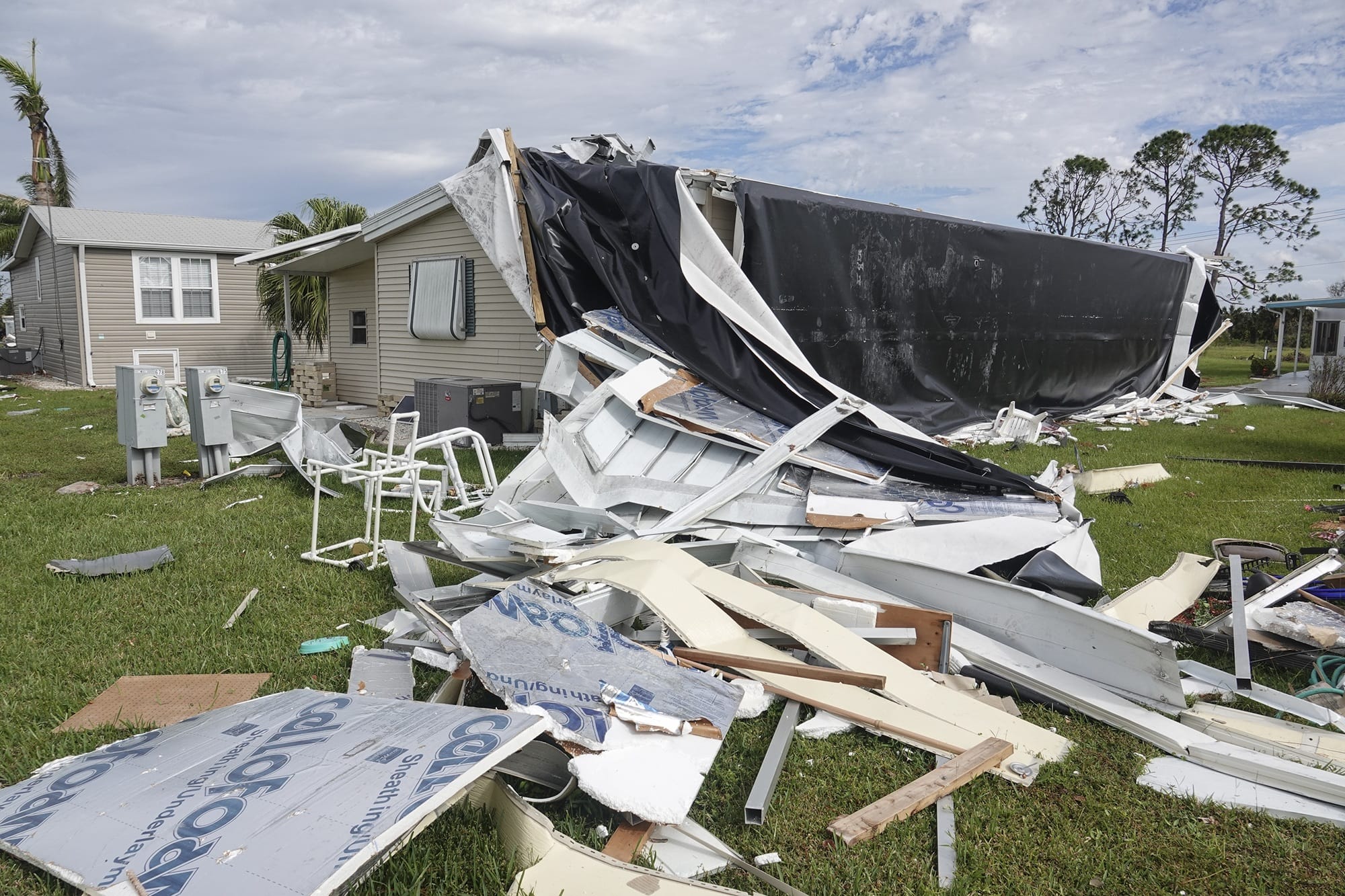
Hurricane Ian’s aftermath has exposed a growing affordability crisis across Southwest Florida. Skyrocketing insurance premiums, soaring construction costs, and rapid gentrification are making it harder for long‑time residents and middle‑class families to stay in their communities. From Fort Myers Beach to inland neighborhoods, homeowners, renters, and small businesses are feeling the pressure as rising costs reshape the region’s housing market and push many to reconsider their future in the state.
Florida’s home insurance market is facing its biggest credibility crisis in years. Despite major reforms meant to stabilize the system, homeowners are being pushed from Citizens into higher‑priced private insurers, many tied to companies that previously collapsed. Questionable financial ratings, high claim‑denial rates, and luxury‑level executive payouts are raising red flags across the state. For real estate and insurance professionals, this unstable landscape is reshaping home affordability, buyer confidence, and long‑term risk in Florida’s property market.
A new Michigan House bill aims to let licensed professionals complete all continuing education requirements online, offering greater flexibility for workers juggling rural travel, multiple jobs, or family demands. Supporters say the reform maintains high professional standards while removing unnecessary barriers, with regulators backing the shift and in‑person options remaining available.