Commercial Real Estate Investors Brace for a Rebound: Is 2026 the Turning Point?
The commercial real estate world has taken a beating over the past few years—pandemic disruption, remote work transitions, and unstable interest rates have kept investors cautious. Yet a new wave of optimism is taking shape, and many industry leaders believe 2026 may finally be the year the market stabilizes and accelerates again.
According to new insights highlighted by Chief Investment Officer, major investors are stepping back into the arena. Leasing activity is rising, confidence is rebuilding, and even the country’s toughest markets are beginning to turn the corner.
A Recovery Years in the Making
Joshua Scoville, Global Head of Research at Hines, notes that momentum is already in motion:
“2025 was shaping up to be the first year of a recovery… and I think in 2026, that uncertainty is in the rear-view mirror.”
He emphasizes that political turbulence—including tariff confusion—created hesitation but did not fundamentally weaken long‑term real estate demand. Even with the Supreme Court’s tariff reversal, investor confidence appears largely restored.
Investment Activity Is Climbing Again
CBRE projects commercial real estate investment to climb by an impressive 16%—reaching nearly $562 billion, approaching pre‑pandemic highs. The firm also recorded its strongest volume of new confidentiality agreements since 2022, a sign of investors preparing to re-enter the market aggressively.
Leasing is also expected to surpass 2019 rates as major tenants return with expiring leases and a renewed appetite for high‑quality space.
High‑Quality Space Takes Center Stage
“We’ve just lived through a nationwide repricing… That dislocation is ultimately what creates generational opportunity.”
—Chris Loeffler, CEO, Caliber Companies
Tenants are prioritizing modern, amenity‑rich, top‑tier properties—spaces that align with reimagined workplace strategies. Manhattan currently leads the rebound, while cities like San Francisco appear to be 12–18 months behind. Other major metros—Chicago, Los Angeles, Denver, and Seattle—continue to stabilize slowly.
Colliers also notes that AI‑driven industries are fueling leasing surges in the Bay Area, helping accelerate that region’s long-awaited rebound.
Vacancy Rates Are Finally Falling
Colliers forecasts U.S. vacancy rates to drop below 18% by the end of the year. While still above the pre‑COVID benchmark of 13%, this shift suggests tightening conditions, especially as new construction slows and demand concentrates in high‑quality, existing spaces.
Suburban markets in particular appear poised for strong performance—especially those offering a blend of convenience, quality, and thoughtful amenities.
“In 2026, the opportunity is less about ‘office is back’ and more about the best office winning.”
—Eric Hochman, CIO, PEBB Enterprises
Why This Matters for Real Estate Professionals
For investors, brokers, property managers, and aspiring agents, this emerging rebound represents a once‑in‑a‑decade opportunity. Those who stay proactive, informed, and credentialed will be best equipped to benefit from the next major cycle.
If you’re pursuing or upgrading your real estate license—or expanding into mortgage, insurance, or other professional fields—Cameron Academy is here to help you stay ahead. With flexible online licensing programs across all 50 states, it’s never been easier to elevate your career while the market rebounds.
Explore the Full Report
To dive deeper into the analysis, visit the original source:
Read the full article on Chief Investment Officer
More Articles
Getting licensed or staying ahead in your career can be a journey—but it doesn’t have to be overwhelming. Grab your favorite coffee or tea, take a moment to relax, and browse through our articles. Whether you’re just starting out or renewing your expertise, we’ve got tips, insights, and advice to keep you moving forward. Here’s to your success—one sip and one step at a time!
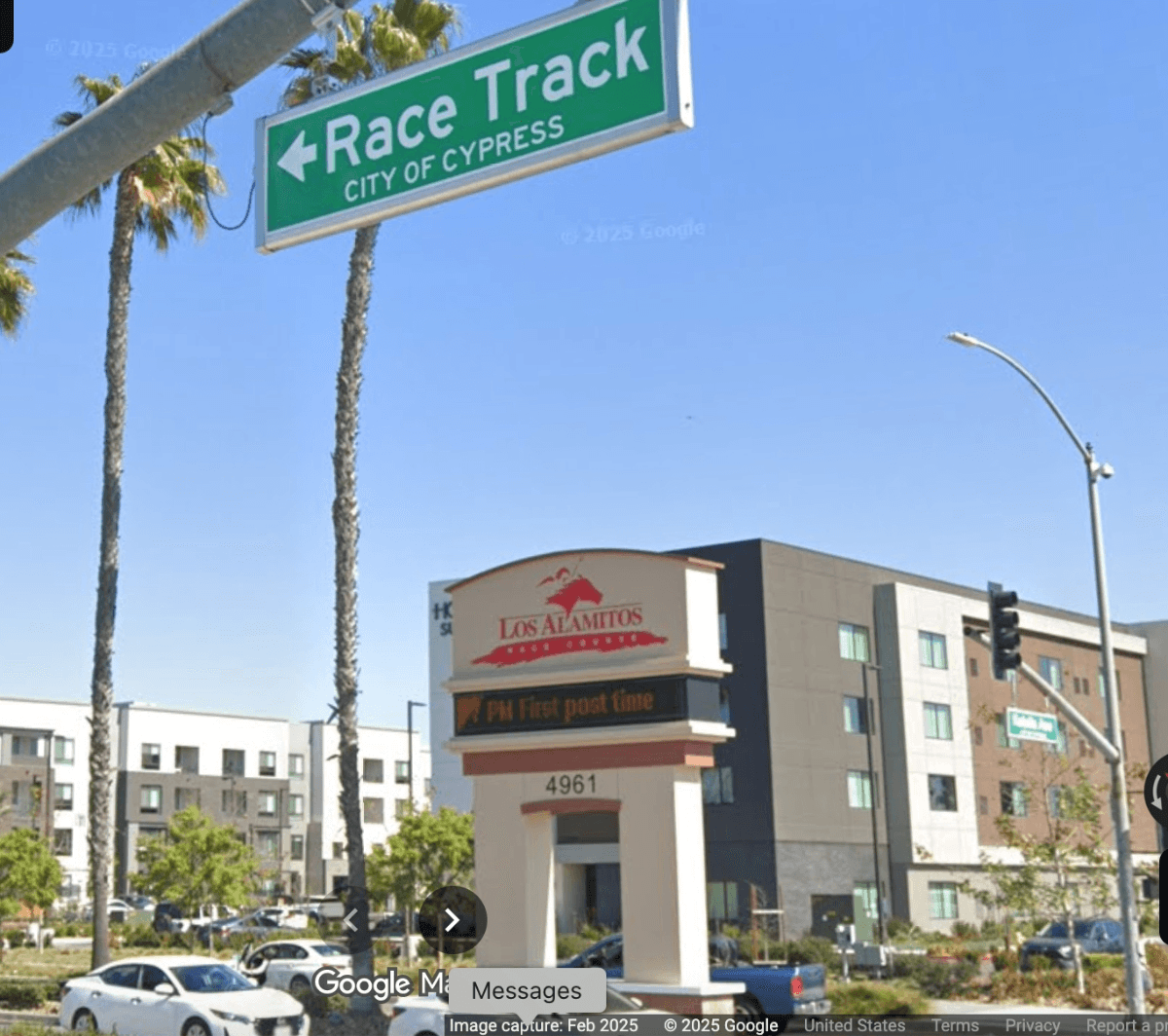
Los Alamitos Race Course is facing its most serious crisis in years after 18 horses died in 2025, prompting regulators to warn the track that its racing license is at risk without immediate safety reforms. Following three catastrophic injuries in a single day, the California Horse Racing Board has ordered urgent changes—including more veterinarians, stricter medication rules, and enhanced on‑track medical support—as pressure mounts for stronger oversight in a sport already under national scrutiny.
Canadian investors have poured more than US$5.8 billion into U.S. commercial real estate this year, making the U.S. their top destination even amid a lingering tariff dispute. Tight inventory in Canada and greater deal availability south of the border are driving the trend, with data centers and industrial properties emerging as the hottest targets for 2025.
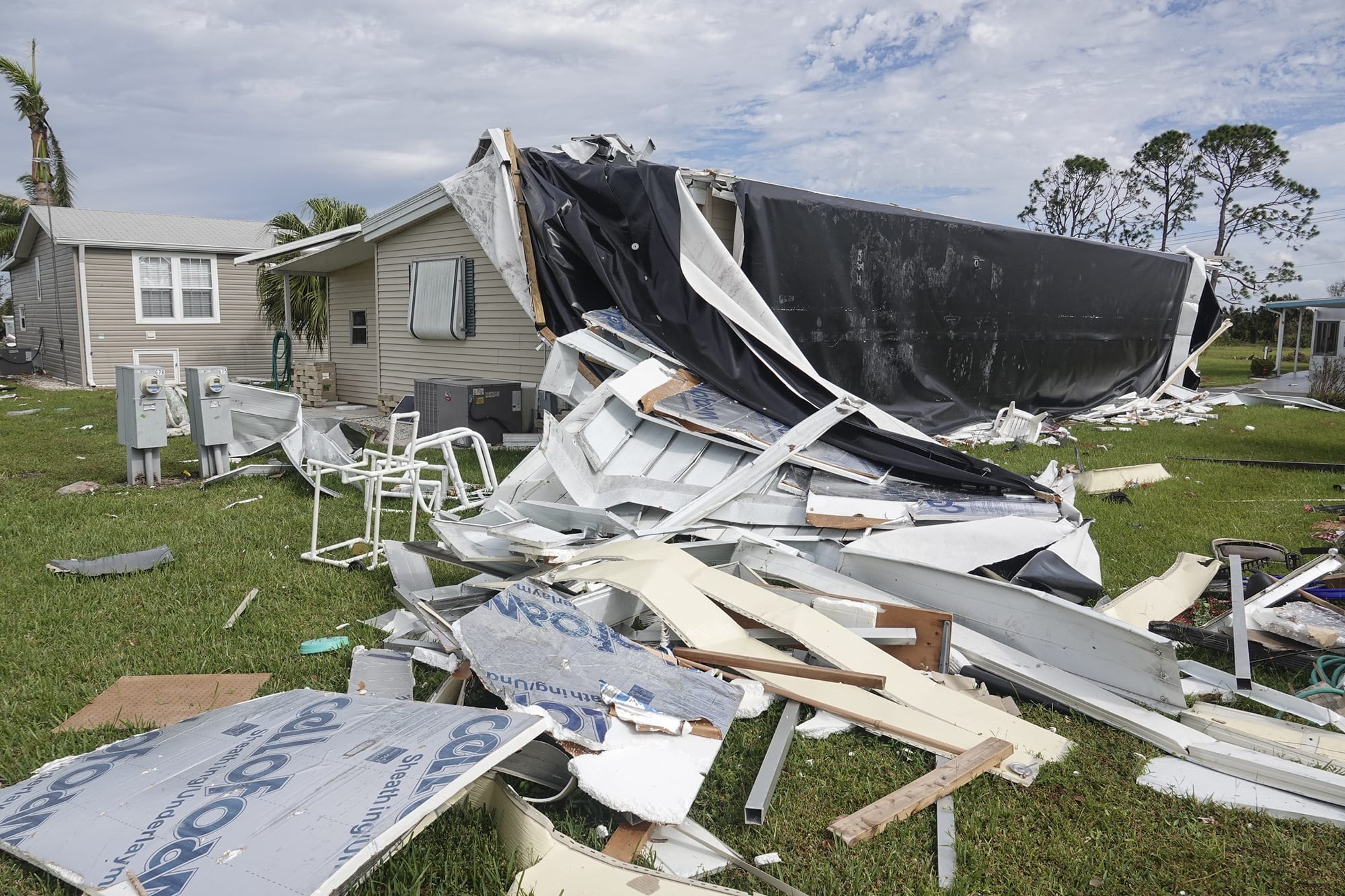
Florida’s insurance commissioner says even industry pros struggle to read today’s 150‑page homeowners policies—leaving residents shocked when hurricane claims are denied. With rising premiums, high replacement costs, and widespread confusion over exclusions like flood and water damage, the state is pushing for simpler, clearer policy language so homeowners know what they’re actually covered for before the next storm hits.
Following the 2025 elections, major metros like New York, Chicago, Miami, Los Angeles, and Boston are implementing policy shifts that could reshape property values, rental income, development timelines, and investment strategy heading into 2026. From New York’s push toward aggressive rent reform to Chicago’s sustainability mandates and Miami’s uncertain mayoral runoff, these changes signal a new era where local politics increasingly dictate market performance. This breakdown highlights the biggest post‑election real estate pivots and what they mean for investors, agents, and finance professionals preparing for a rapidly evolving landscape.
Florida’s Insurance Commissioner is sounding the alarm after thousands of homeowners discovered—only after hurricanes Helene and Milton—that the coverage they thought they had didn’t exist. With nearly 150,000 unpaid claims tied to misunderstood flood exclusions, water‑damage caps, and buried policy clauses, state leaders are pushing to simplify the dense, confusing documents most Floridians never read. As insurance costs remain one of the state’s top concerns, this growing complexity is creating a massive opportunity for real estate, mortgage, and insurance professionals to guide consumers before disaster strikes.
Florida’s insurance market is reliving an old crisis under a new name. Despite reforms meant to stabilize the system, homeowners are being forced out of Citizens and into pricier policies from small insurers with shaky financial histories. Companies tied to past insolvencies are returning with fresh branding, while highly rated carriers continue to deny a majority of claims. With political influence muddying regulation and climate risks rising, experts warn that only a full structural overhaul—not cosmetic reforms—can restore confidence for homeowners, agents, and the entire real estate market.