The Commercial Real Estate Comeback: Why 2026 May Be the Turning Point Investors Have Been Waiting For
The commercial real estate world has been riding a turbulent wave for years, with the industry still shaking off the long tail of the pandemic, evolving workplace habits, and volatile interest rates. Yet momentum is shifting — and many analysts say 2026 may finally mark the return to stability investors have been craving.
Insights originally reported by Chief Investment Officer reveal a noticeable rise in optimism as leasing activity increases, capital flows back into the market, and major U.S. cities begin showing renewed economic energy.
The Slow Climb Back: “2025 Was the First Glimpse of Recovery”
Joshua Scoville, Global Head of Research at Hines, shared that 2025 represented a subtle but unmistakable rebound — even as political and global economic turbulence continued to complicate growth. With many of those headwinds finally fading into the rear‑view mirror, 2026 is shaping up to be a year of genuine stabilization.
The Supreme Court’s recent decision to overturn several key tariff measures adds some uncertainty as new trade policies emerge, yet the broader outlook remains decidedly forward‑leaning.
Investment Activity Is Heating Up
CBRE anticipates a 16% jump in commercial real estate investment volume this year, pushing the market closer to pre‑pandemic levels at an estimated $562 billion. Even more encouraging: the firm recorded its highest number of confidentiality agreements with prospective buyers since 2022 — a clear signal that investors are preparing to make moves.
Large tenants are returning as well, driving annual leasing volumes past 2019 benchmarks. As Chris Loeffler, CEO of Caliber Companies, notes, today’s market conditions have the potential to become a “generational opportunity,” echoing the recovery phase that followed the 2010–2012 post‑recession window.
Manhattan Leads, Other Cities Follow
Hines reports that Manhattan remains the undeniable leader in commercial recovery, with San Francisco trailing by roughly 12 to 18 months. Chicago and Los Angeles are still finding their footing, while Denver and Seattle aren’t expected to reach their lowest points until later this year.
One surprising force behind the momentum: the artificial intelligence boom. AI‑driven companies are rapidly increasing leasing interest in the San Francisco Bay Area, reigniting a market that had once appeared stagnant.
Vacancy Rates Expected to Drop Below 18%
Colliers projects nationwide office vacancy rates to finally dip under 18% by late 2026 — still above the pre‑pandemic 13% but nonetheless a meaningful improvement fueled by scarce new construction and renewed demand for existing spaces.
Premium properties remain the top performers, particularly within major financial hubs and several European markets. As CBRE points out, spillover demand is highly likely as high‑quality inventory becomes more limited.
The Suburban Surge
Suburban office markets are experiencing an unexpected revival. Eric Hochman, CIO of PEBB Enterprises, emphasizes that the real opportunity in 2026 isn’t about proving “office is back,” but rather recognizing that the best buildings — those offering superior design, amenities, and convenience — are the ones thriving.
In short: quality over quantity is shaping the new office landscape.
What This Means for Professionals Entering the Industry
For new and aspiring commercial real estate professionals, this shift represents a powerful opening. Market conditions are evolving, investor confidence is rising, and the industry needs skilled agents, managers, and advisors who understand how to navigate a recovering landscape.
If you’re preparing to enter the Florida real estate market or expand your licensing credentials, Cameron Academy offers comprehensive education and industry‑focused training designed to help you capitalize on this renewed momentum. Whether you’re pursuing commercial brokerage, appraisal, investment, or property management, now is the time to build your foundation.
To explore the full insights behind this industry resurgence, read the original report from Chief Investment Officer here: Visit the source article.
More Articles
Getting licensed or staying ahead in your career can be a journey—but it doesn’t have to be overwhelming. Grab your favorite coffee or tea, take a moment to relax, and browse through our articles. Whether you’re just starting out or renewing your expertise, we’ve got tips, insights, and advice to keep you moving forward. Here’s to your success—one sip and one step at a time!
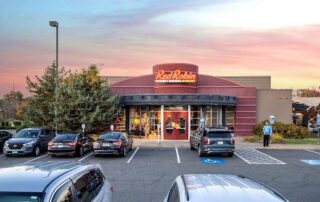
Newman Properties, a Massachusetts-based investment firm, has expanded its footprint into Connecticut with the $3.65 million acquisition of a 6,350‑square‑foot retail building in Enfield. Anchored by national restaurant chain Red Robin, the property offers the type of stable tenancy investors seek when entering new markets. The deal underscores growing confidence in anchored retail assets and provides a valuable real-world example for real estate professionals studying market analysis, investment strategy, and portfolio expansion.
JPMorgan now expects national home prices to flatten in 2026, but the Sunbelt is telling a very different story. Florida home values are down 5.1%, Texas is down 2.4%, and analysts warn that years of rapid building are finally catching up to the region. As demand stabilizes and inventory swells, real estate professionals — especially in Florida — face a market full of challenges, opportunities, and critical timing decisions.
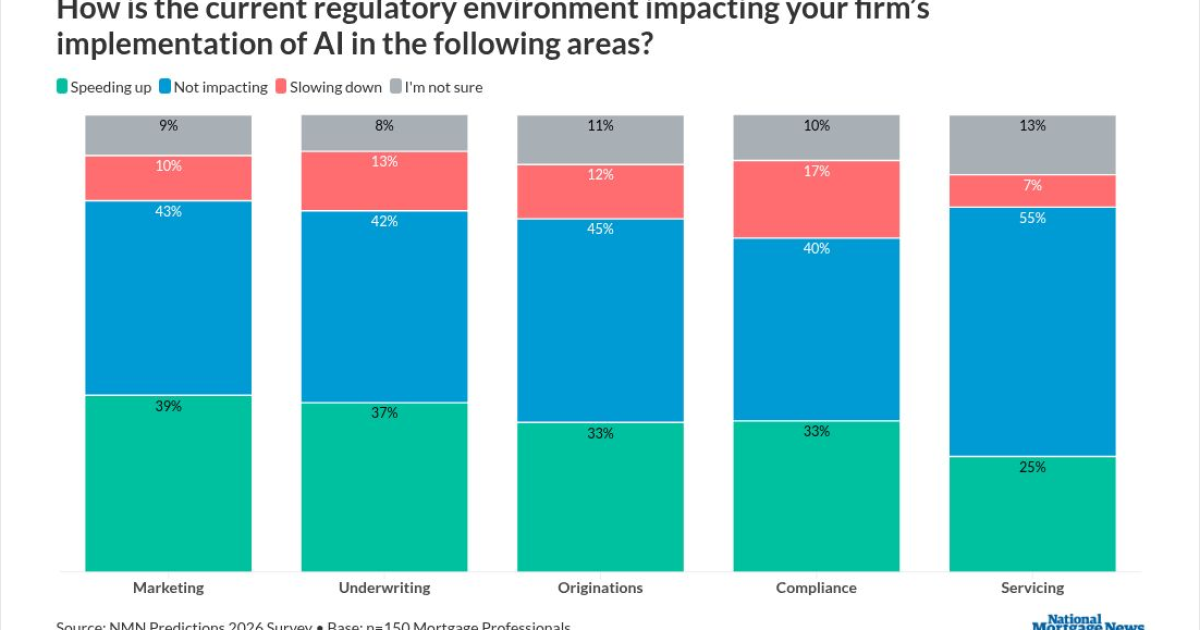
Artificial intelligence is finally stepping into the mortgage underwriting spotlight, with 57% of mortgage professionals predicting it will drive the most transformative industry shift in 2026. Thanks to major advancements in language models and workflow automation, AI is now capable of navigating the messy, document-heavy realities that have long slowed underwriting. From faster preapprovals to improved credit analysis and real‑time income verification, AI is streamlining processes while allowing underwriters to focus on true risk management. As regulatory winds shift and grassroots pressure builds within lending teams, the industry is entering a pivotal era where AI‑powered underwriting becomes not just an advantage — but an expectation.
Portland’s top 20 office towers have lost an unprecedented 70% of their value since 2019—plunging from $3 billion to under $1 billion—triggering tax revenue shortfalls, budget crises, and a surge in appeals as the city grapples with its biggest commercial real estate reset in modern history.
South Florida’s luxury real estate market just raised the bar again — this time with a $1 million virtual reality system that lets buyers walk through Dolce & Gabbana’s upcoming Miami tower long before construction wraps. Real estate master’s students were given an immersive look inside the project, discovering how VR is transforming high‑end development, influencing buyer psychology, and shaping the future skills today’s professionals need.
Long Island’s commercial real estate scene is kicking off 2026 with a surge of activity—industrial leases in Medford, neighborhood retail trades in Bohemia, Pizza Hut’s new DELCO expansion in Centereach, mixed‑use acquisitions in Melville, and major investor interest in bank‑leased and franchise-backed properties. From warehouses to restaurant rebrands, these deals highlight a region evolving fast and offering fresh opportunities for agents, investors, and professionals looking to stay ahead in the market.