Commercial Real Estate Lending Surges in Q3: A Wave of Confidence Returns to the Market
After nearly two years of stalled investment activity, the U.S. commercial real estate market is showing unmistakable signs of life. According to new research from
World Property Journal
, lending activity surged throughout Q3 2025 as interest rates stabilized and credit spreads narrowed—two essential shifts helping close the pricing gap that stalled transactions nationwide.
A Market Moving Again
CBRE’s Lending Momentum Index climbed an astonishing 112% compared to last year, reaching its highest level since 2018. Permanent financing led the charge with a 36% jump, while September alone delivered some of the strongest origination volume seen in years.
Even as borrowing costs remain above pre-pandemic norms, lenders are becoming more confident. Spreads on commercial mortgages widened slightly to 197 basis points, but multifamily deals grew more competitive, tightening to just 141 basis points year-over-year.
Investor Confidence Rebuilding
“We’re seeing a broad recovery across all major asset classes,” said James Millon, President and Co-Head of U.S. and Canada Capital Markets at CBRE. Multifamily and industrial continue to draw the most conviction, while even the long-pressured office sector has seen financing and sales volumes “surge by multiples, not percentages.”
With the five-year Treasury sitting in the mid‑3% range and spreads tightening, the once-problematic bid‑ask gap is finally shrinking. Deals previously frozen by uncertainty are now breaking loose, with momentum expected to accelerate into 2026.
Who’s Lending? The Landscape Shifts
Alternative lenders dominated this quarter, capturing 37% of CBRE’s non-agency loan activity—up from 34% last year. Debt funds were particularly aggressive, growing originations by an impressive 68%.
Banks rebounded sharply with 167% lending growth, expanding their market share to 31%. CMBS also returned to the spotlight, climbing from 5% to 17% market share year-over-year.
Life companies, however, significantly scaled back, dropping from 43% to 16%.
Credit Conditions Ease, Multifamily Dominates
Several indicators point to a gently loosening credit environment. Loan constants fell 20 basis points, mortgage rates dropped 28, and LTV ratios climbed to an average of 63.8%.
Agency lending for multifamily properties soared as government-backed originations hit $44.3 billion—up 53% from last quarter and 57% year-over-year. CBRE’s Agency Pricing Index slid to 5.6%, making multifamily one of the brightest stars of 2025’s commercial real estate universe.
Explore the Data Yourself
Dive deeper into full charts and analysis from the original report:
For agents, brokers, lenders, investors, and aspiring license-holders, this surge in lending activity signals an industry stepping confidently into its next cycle. Opportunities are increasing, financing is broadening, and capital is becoming more fluid.
Whether you’re entering the field, pivoting your career, or expanding your expertise, staying informed is essential. Institutions like Cameron Academy support professionals with industry-relevant licensing programs and continuing education tailored to today’s evolving market.
Stay Informed
Sign up for the WPJ Weekly Newsletter for concise, high-impact updates:
Smart insights. Relevant real estate news. Delivered weekly.
More Articles
Getting licensed or staying ahead in your career can be a journey—but it doesn’t have to be overwhelming. Grab your favorite coffee or tea, take a moment to relax, and browse through our articles. Whether you’re just starting out or renewing your expertise, we’ve got tips, insights, and advice to keep you moving forward. Here’s to your success—one sip and one step at a time!
Florida homeowners — especially in hard‑hit South Florida — are set to see rare and substantial reductions in their property insurance premiums. Gov. Ron DeSantis announced an average statewide Citizens Insurance decrease of 8.7%, with even larger savings of up to 14% in counties like Miami-Dade, Broward, and Palm Beach. State officials credit recent legal and regulatory reforms for stabilizing the market, attracting new insurers, and delivering the first meaningful rate relief Floridians have seen in years.
Tampa’s commercial real estate market isn’t slowing—it’s maturing. With strong population growth, rising office demand, a normalized industrial sector, resurgent retail, and an emerging health‑care real estate boom, investors are shifting from speed to strategy. Tighter underwriting, cautious capital and increased due‑diligence are shaping a more disciplined market, creating new opportunities for informed professionals.
Florida homeowners are finally seeing relief as Citizens Property Insurance announces a major 8.7% average rate decrease—far larger than originally proposed. Driven by legislative reforms, fewer lawsuits, and a calm hurricane season, the state’s once‑unstable insurance market is showing real signs of recovery. But with reduced coverage limits and shifting legal protections, experts warn that lower premiums may come with hidden trade‑offs.
After a decade of rising premiums and retreating carriers, Florida homeowners are finally seeing long‑awaited relief. Dozens of insurers have filed for rate decreases—some as high as 11%—thanks to legislative reforms and a stabilizing market. Early approvals are already hitting counties across the state, and experts say the momentum could boost buyer confidence, affordability, and competition throughout Florida’s real estate and insurance sectors.
After years of slowed activity caused by rising interest rates, the self‑storage industry is heating up again. New data from Marcus & Millichap shows a fresh market cycle emerging, driven by renewed buyer confidence, recalibrated pricing, and stronger lender participation. Acquisitions are rebounding, development is resetting in a healthier direction, and financing conditions are improving—creating one of the most promising investment landscapes the sector has seen in years.
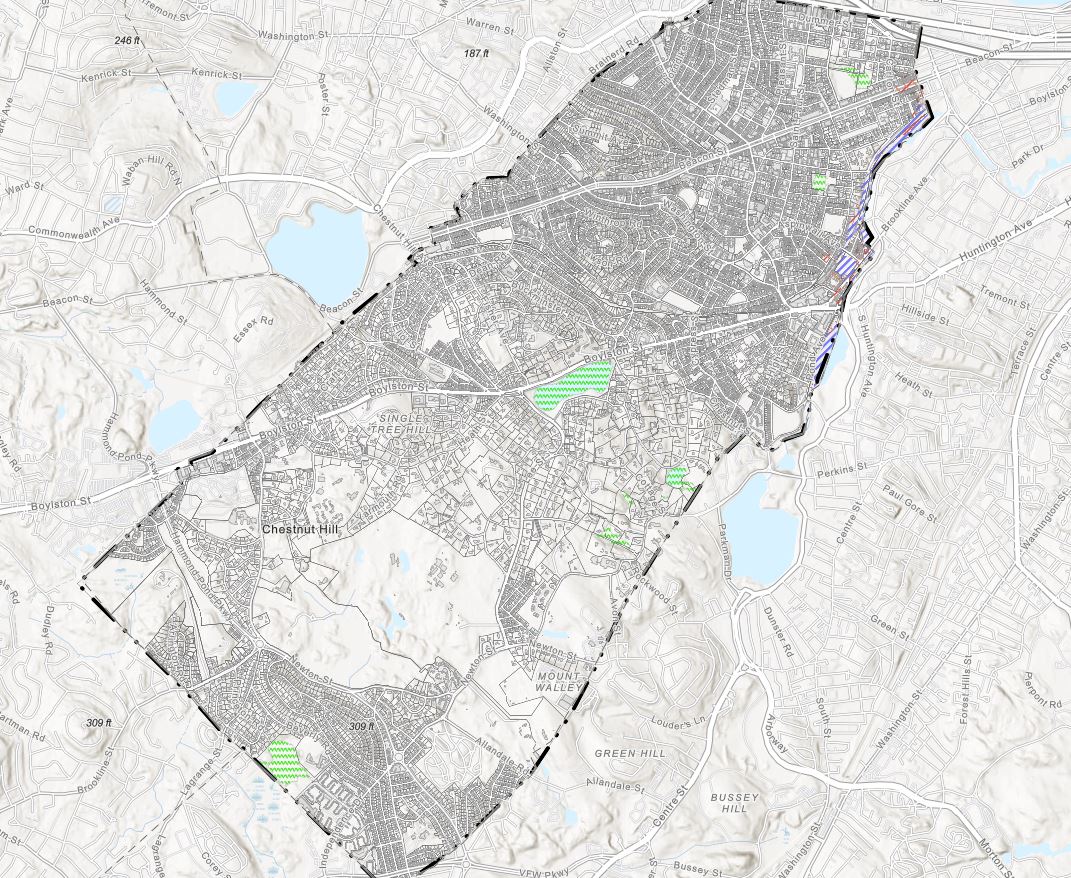
Brookline’s newly updated FEMA flood maps identify 97 high‑risk parcels, but local experts warn the true threat is far greater. While FEMA highlights river‑based flooding around Leverett Pond and the Muddy River, alternative models show more than 1,300 Brookline properties at risk within 30 years. Hidden vulnerabilities along major corridors like Beacon Street, rising rainfall intensity, aging infrastructure, and climate‑driven storm patterns suggest that many “low‑risk” areas may be anything but safe.