Commercial Real Estate Market Set for Significant Growth
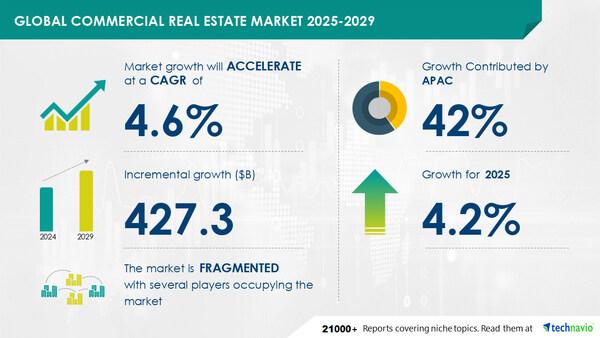
In a recent report from PR Newswire, the global commercial real estate market is projected to expand by a staggering USD 427.3 billion between 2025 and 2029. This remarkable growth is largely driven by the robust expansion of the global commercial sector and the transformative power of technological innovations, particularly those harnessed by artificial intelligence (AI).
Technological Innovations and Market Dynamics
The market is expected to grow at a compound annual growth rate (CAGR) of 4.6% over the forecast period. While the rise of remote work and e-commerce presents challenges, these shifts are simultaneously reshaping traditional office and retail spaces. Major players such as CBRE Group Inc. and WeWork Inc. are at the forefront of navigating these changes.
The report highlights the increasing trend towards smart city infrastructure, which is boosting demand for commercial spaces, particularly in the IT and engineering sectors. Moreover, co-working and flexible office spaces are gaining traction as businesses adapt to new work patterns.
AI and Virtual Reality: Transforming the Landscape
Technological advancements, including AI and virtual reality, are revolutionizing the commercial real estate sector. These innovations are enhancing property management through data analytics and providing virtual property tours, thereby offering a more immersive experience for potential tenants and buyers.
The Technavio report further underscores the role of AI in driving market trends and competitive dynamics, offering businesses the tools to stay ahead in an evolving landscape.
Opportunities and Challenges
While the commercial real estate market is poised for growth, it must navigate several challenges. The shift towards online shopping has reduced demand for traditional retail spaces, impacting foot traffic in physical stores. Similarly, the trend towards remote work is affecting the need for conventional office spaces.
To address these challenges, businesses are focusing on flexible office layouts and integrating advanced technologies like virtual reality. These strategies are crucial for adapting to the changing consumer behaviors and technological advancements that are reshaping the commercial real estate market.
Conclusion
The commercial real estate market is on the cusp of a significant transformation, driven by global commercial sector growth and AI-powered innovations. As businesses adapt to new realities, the market offers exciting opportunities for innovation and growth, with key players leveraging technology to redefine the future of commercial spaces.
Discover more about the evolving commercial real estate market and the role of AI by accessing the full report from Technavio.
More Articles
Getting licensed or staying ahead in your career can be a journey—but it doesn’t have to be overwhelming. Grab your favorite coffee or tea, take a moment to relax, and browse through our articles. Whether you’re just starting out or renewing your expertise, we’ve got tips, insights, and advice to keep you moving forward. Here’s to your success—one sip and one step at a time!
Cybercrime in 2025 has evolved into a full‑scale service economy, with malware now available through subscription platforms that operate like mainstream tech businesses. Bitsight’s latest analysis reveals explosive growth in Malware‑as‑a‑Service tools, rising attacks across industries like healthcare, finance, tech, and real estate, and a surge in cross‑platform malware and supply‑chain exploits. For professionals in any licensed field, the message is clear: today’s digital landscape demands heightened vigilance, stronger identity security, and proactive defense against an increasingly organized underground threat environment.
A new proptech startup in the UAE, Gllit is redefining how property deals happen by removing agents, eliminating commissions, and integrating AI tools that let users create professional listings in seconds. With a fast, transparent, and direct-to-owner model, Gllit offers a glimpse into the future of global real estate — and a powerful case study for U.S. professionals preparing for tech-driven changes in the industry.
The 2026 housing market is shaping up to be a year of stability with a few surprises. Mortgage rates are expected to hold steady, home price growth is slowing, and yet ownership costs continue to rise due to soaring taxes and insurance. Meanwhile, renting is becoming more attractive as affordability improves and built‑to‑rent communities expand. This breakdown highlights the biggest trends ahead — and what they mean for buyers, sellers, and real estate professionals, especially in Florida.
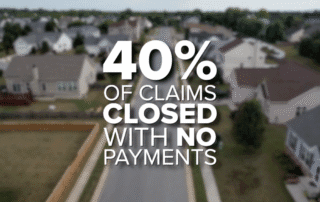
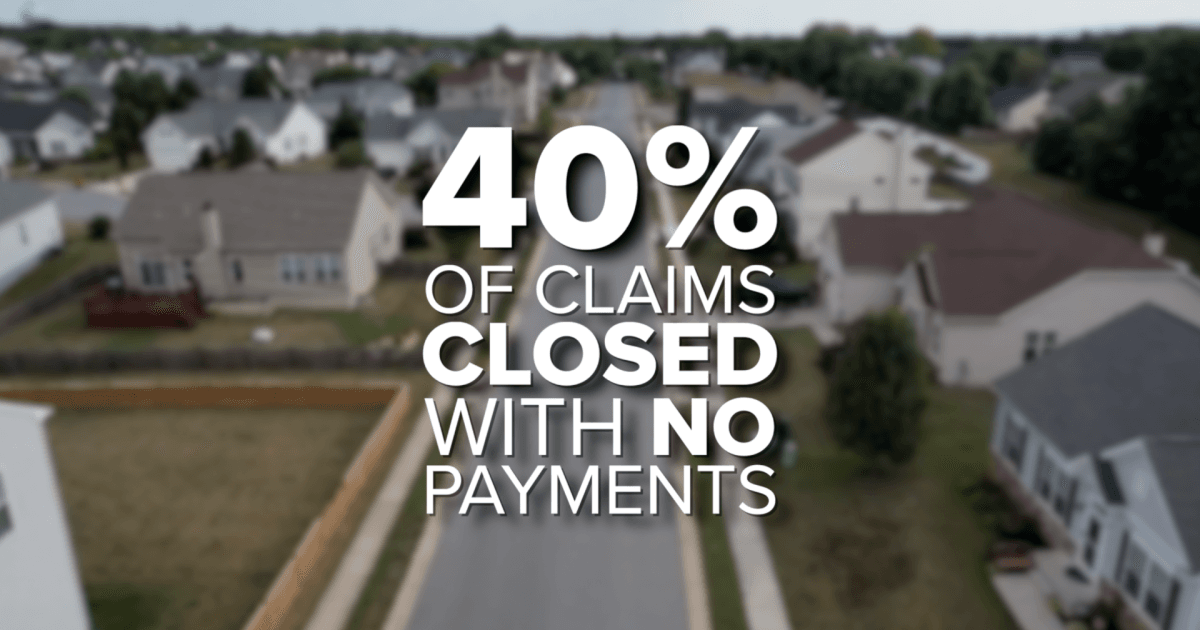
Florida homeowners are facing some of the highest insurance premiums in the nation, with average costs now topping $5,800 per year—about $3,000 above the U.S. average. Many residents report their rates have doubled or even tripled, while more than 40 percent of claims are closed with no payment. As frustration grows, state lawmakers and consumer advocates are pushing for transparency, rate caps, and incentives to help storm‑proof homes. The outcome of these reform efforts could reshape Florida’s real estate market, insurance landscape, and affordability for years to come.
A new global study from Risk.net and SAS reveals that many insurance companies are still making key decisions in isolated silos, despite industry-wide pushes toward data-driven strategies. While most leaders claim to have a clear vision, 38 percent admit they lack a real-time view of risks, revenue and costs. With poor data quality, limited collaboration and outdated processes holding teams back, experts say the industry is poised for a major transformation through AI, analytics and unified strategy—offering lessons for professionals across insurance, real estate, finance and other regulated fields.
Atlanta’s housing market is shifting into a more balanced and predictable phase. Prices have leveled off, inventory has finally caught up, and mortgage rates are easing enough to bring buyers back into the game. With steady demand, growing listings, and only mild price corrections forecasted into 2026, Atlanta remains one of the Southeast’s strongest real estate markets for buyers, sellers, and investors alike.