Commercial Real Estate: Navigating the Next Five Years
As the commercial real estate landscape continues to evolve, stakeholders are gearing up for a transformative journey over the next five years. The industry is poised at a critical juncture, influenced by economic shifts, technological innovations, and changing consumer preferences. Understanding these dynamics is essential for making informed strategic decisions.
Key Market Dynamics
Remote Work and Office Spaces: The traditional office space is undergoing a significant transformation. With an increasing number of companies adopting flexible work arrangements, the demand for office spaces is projected to decline. According to the JPMorgan Chase report, offices in prime locations may outperform, but overall demand remains tepid.
Retail Real Estate Adaptations: Retail spaces are reinventing themselves to keep up with the e-commerce boom. There’s a shift towards creating immersive experiences and integrating omnichannel strategies that blend online and offline shopping.
Industrial Real Estate Boom: The rise of e-commerce is driving demand for warehouses and distribution centers. Companies are investing in expanding logistics hubs to meet delivery expectations, as highlighted by Statista’s market outlook.
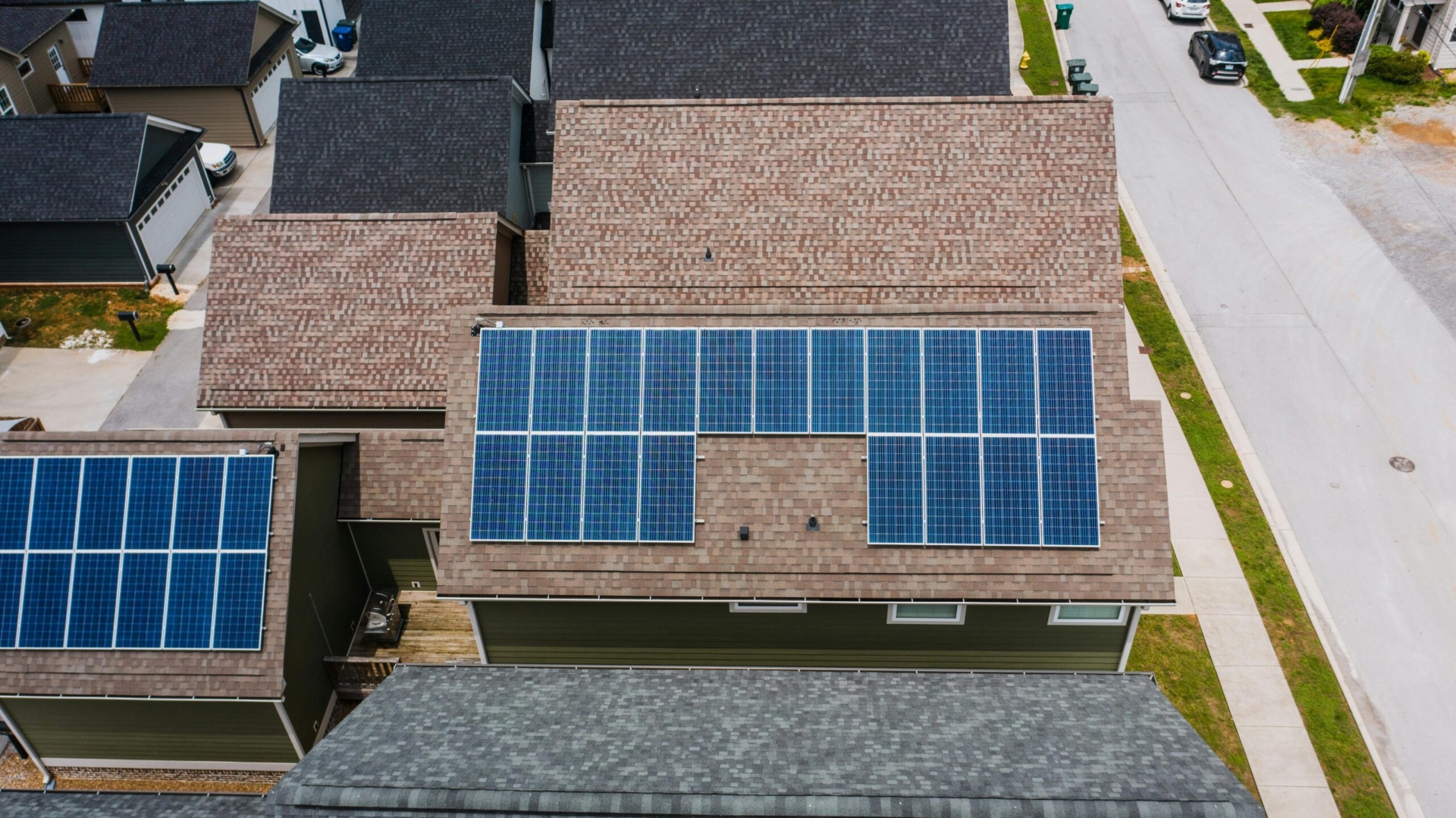
Sustainability Trends: Sustainability is no longer optional; it’s a necessity. Investors are gravitating towards properties that meet environmental standards. Green building certifications and energy-efficient systems are becoming essential.
Economic and Technological Factors: The influence of interest rates, inflation, and economic growth cannot be overlooked. Technological innovations such as PropTech and smart buildings are reshaping the industry, as noted by Deloitte’s insights.
Market Outlook and Challenges
While opportunities abound in the commercial real estate sector, challenges such as market volatility, regulatory changes, and evolving workforce dynamics pose significant hurdles. Investors must remain agile, ready to pivot their strategies in response to these evolving conditions.
The future promises a transformative phase, demanding strategic foresight and adaptability. Staying informed and responsive to changing work patterns, consumer behavior, and societal expectations will be crucial for thriving in this new commercial real estate paradigm.
More Articles
Getting licensed or staying ahead in your career can be a journey—but it doesn’t have to be overwhelming. Grab your favorite coffee or tea, take a moment to relax, and browse through our articles. Whether you’re just starting out or renewing your expertise, we’ve got tips, insights, and advice to keep you moving forward. Here’s to your success—one sip and one step at a time!
In a landscape where student loan debt is a growing concern, borrowers are exploring creative methods to manage their financial obligations. According to EducationData.org's 2023 report, the average federal student loan borrower owes $37,574, while private borrowers face an even steeper average of $54,921. With these daunting figures, many are considering unconventional methods to ease their financial burden.
As inflation trends downward, the construction industry faces a paradox: the relentless rise in residential construction material costs since early 2024. This surge, marking its peak in June 2024, presents a formidable challenge for home builders already navigating inflated expenses.
Pittsburgh, Pennsylvania, emerges as the front-runner, showcasing a harmonious blend of low median home prices and affordable homeowner costs. With a median home price of $236,067, Pittsburgh homeowners spend just 14.8% of their median household income on housing costs, making it an attractive destination for budget-conscious buyers.
Traditional construction methods have posed significant environmental challenges. Increasingly, technology plays a crucial role in transforming the industry, fostering eco-friendly construction methods.
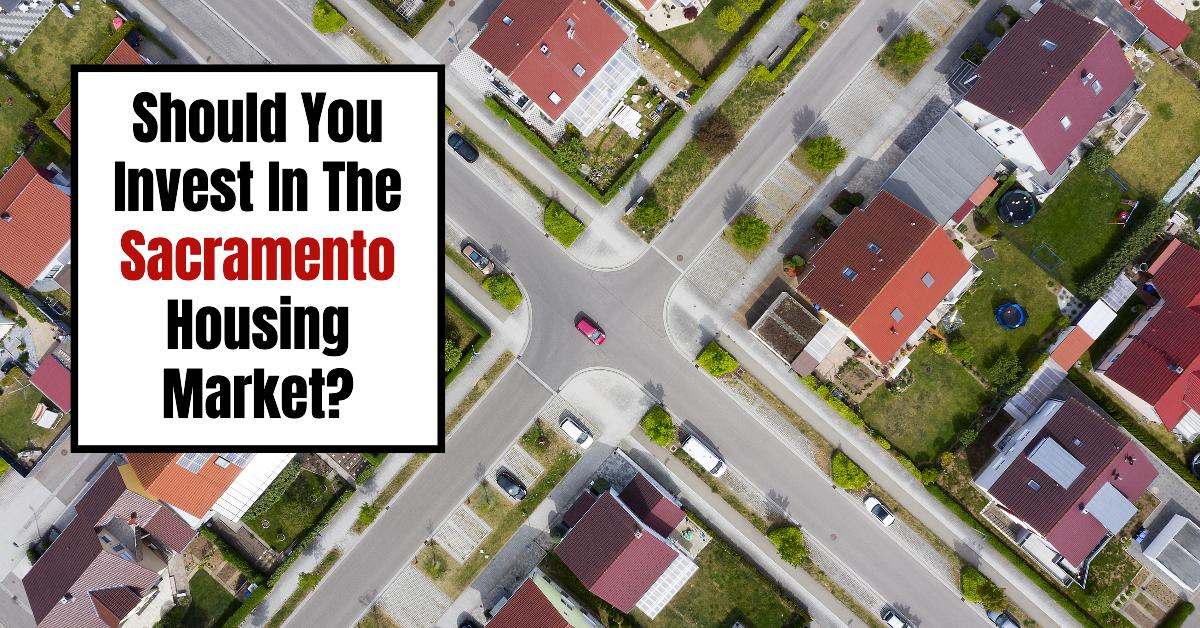
Sacramento, the capital of California, has seen notable shifts in its real estate market over the years. The city's significant population growth has led to increased housing demand. As job opportunities expand, particularly in the tech and healthcare sectors, the potential for property value appreciation becomes enticing for investors.