Commercial Real Estate Investors Brace for a Rebound in 2026
The commercial real estate sector, after years of shocks from the pandemic, evolving work culture, and extreme interest rate fluctuations, is finally showing signs of vibrant recovery. Analysts across major firms suggest that 2026 may mark the first fully stabilized year since the global disruption began, inspiring renewed confidence from investors, brokers, and market strategists.
According to a compelling breakdown featured by Chief Investment Officer, leasing activity and investor sentiment across the country’s top markets are surging—signaling a shift many have been anticipating.
A Turning Point After Years of Disruption
Joshua Scoville, Global Head of Research at Hines, observed that 2025 already appeared to mark the beginning of a meaningful recovery, even as macroeconomic uncertainty lingered.
“When we look back at the cycle, 2025 will be the first year of a recovery… and in 2026, that uncertainty is finally in the rear-view mirror,” said Scoville.
This positive sentiment was present even before the U.S. Supreme Court overturned 60% of previous tariff structures—a shift that may stir temporary volatility but is unlikely to derail broader momentum.
CBRE projects a 16% jump in commercial real estate investment volume this year, estimating a climb to $562 billion. This level nearly mirrors pre-pandemic performance, signaling a stabilization long awaited by the industry.
Their 2026 U.S. Real Estate Market Outlook also notes a dramatic increase in confidentiality agreements executed in 2025—a clear sign of strengthened buyer engagement.
Large corporate tenants are now re-entering the market with renewed clarity around their workspace strategies, driving leasing numbers beyond 2019 levels.
Market-by-Market Recovery: Manhattan Leads the Way
Hines’ nationwide analysis crowns Manhattan as the leading indicator of the recovery cycle, with San Francisco trailing approximately a year behind. Meanwhile, Chicago and Los Angeles remain in stabilization mode, and markets like Denver and Seattle are expected to bottom out later this year.
“Manhattan is kind of a harbinger for the rest of the country, just way ahead of everywhere else,” Scoville said.
In the Bay Area, the rapid acceleration of artificial intelligence industries is driving a measurable boost in leasing—a trend Colliers predicts will intensify throughout 2026.
High-Quality Spaces Dominate Demand
Across nearly all top-tier markets, high-end Class A and A+ spaces are outperforming every other category. With limited supply and a premium placed on modern amenities, these assets are expected to continue leading the rebound.
CBRE forecasts that “spillover demand” will soon begin benefiting secondary buildings, especially in early-recovery regions trying to close the quality gap.
Colliers anticipates national vacancy rates falling below 18% by year’s end, driven by a tight construction pipeline and renewed interest in high-grade existing spaces.
The Suburban Office Comeback
Momentum is not limited to major metros. Suburban markets with modern, amenity-rich buildings are demonstrating strong leasing performance—sometimes even outperforming nearby urban centers.
“In 2026, the office opportunity is less about ‘office is back’ and more about the best office winning,” said Eric Hochman, CIO of PEBB Enterprises.
For professionals rebalancing portfolios or entering the commercial sector, this shift underscores the importance of carefully analyzing building quality, location, and amenity ecosystems.
What This Means for Professionals
The next two years may represent a historic entry point for real estate professionals looking to grow, pivot, or upgrade their expertise. Whether in investment sales, development, analytics, or brokerage, those who sharpen their skills now will be best positioned to capitalize on the next phase of expansion.
Cameron Academy continues to support professionals nationwide with industry-leading courses in real estate, mortgage, insurance, finance, medical fields, and more—across all 50 states. From Florida real estate licensing to advanced certifications, our programs ensure you stay ahead as the market accelerates.
To explore the complete report and industry analysis, visit the original coverage on Chief Investment Officer.
More Articles
Getting licensed or staying ahead in your career can be a journey—but it doesn’t have to be overwhelming. Grab your favorite coffee or tea, take a moment to relax, and browse through our articles. Whether you’re just starting out or renewing your expertise, we’ve got tips, insights, and advice to keep you moving forward. Here’s to your success—one sip and one step at a time!
A growing share of American homeowners now carry mortgage rates above 5%—a dramatic shift that’s reshaping refinancing, inventory, and buyer behavior nationwide. With more than 30% of borrowers locked into rates over 5% and 20% above 6%, the market is split between owners holding on to low pandemic‑era loans and new buyers taking on higher‑rate mortgages. Federal efforts to push rates down could unlock millions of refinancing opportunities, while buyers see only modest monthly savings. For real estate professionals, understanding these rate dynamics is crucial as they increasingly drive inventory levels, affordability, and market activity.
New Moody’s data shows commercial real estate deal volume slipped 20% in December, marking a second monthly decline. Yet the full year tells a different story: 2025 ended with a 17% gain, signaling a quiet but resilient recovery. The biggest surprise came from the office sector, which posted a 21% jump in activity as return‑to‑office trends and AI‑driven job growth boosted demand. Multifamily, retail, and alternative assets like data centers also saw strong momentum, giving real estate professionals a market full of fresh opportunities heading into 2026.
Florida drivers and industry professionals are heading into 2026 with good news: auto insurance rates are dropping across the state as the market shows strong signs of stabilization. USAA leads the latest wave with a 7% average rate decrease expected in May 2026, saving members more than $125 million annually. They join several major insurers — including State Farm, Progressive, AAA, Allstate, and Florida Farm Bureau — all approving significant reductions. Officials credit recent legislative reforms, especially tort reform, for the improved loss ratios and renewed insurer confidence. With both auto and home insurance markets strengthening, Florida’s real estate, mortgage, and insurance professionals can expect more consumer confidence, smoother transactions, and expanding career opportunities.
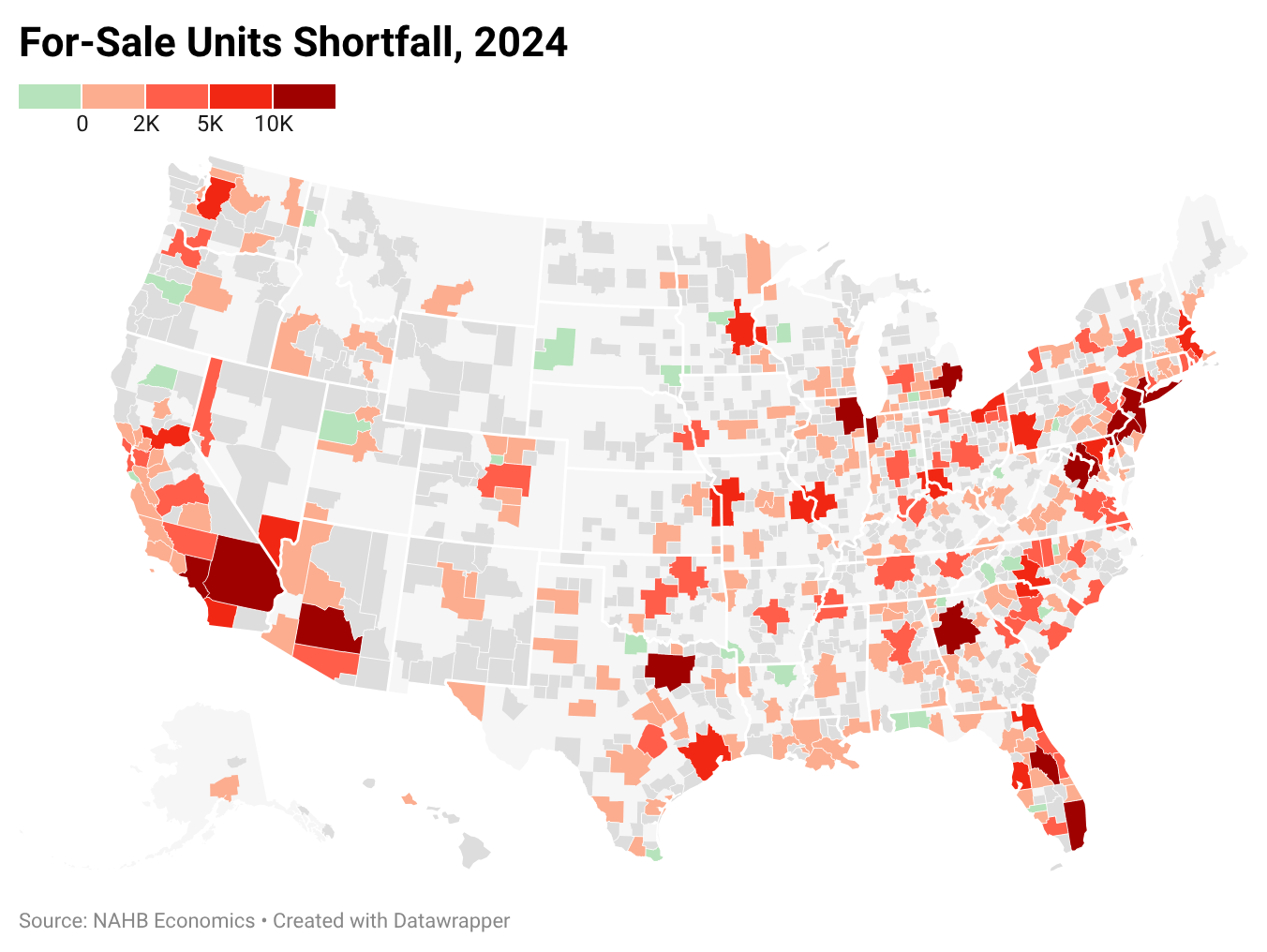
New data from Eye On Housing and the NAHB shows the U.S. remains short more than 1.2 million housing units, keeping pressure on both rents and home prices. Record‑low vacancy rates, slow single‑family construction, and restrictive zoning continue to fuel intense competition in 2024. Major metros like Chicago, New York, and Atlanta face some of the deepest deficits, and the true nationwide shortfall may be even higher when accounting for overcrowding and aging homes. For real estate professionals, the ongoing shortage means sustained demand, tighter inventory, and major opportunities for those who understand the evolving market.
Top real estate coach Jason Pantana says the divide between agents today isn’t about who has “tried” AI — it’s about who is immersed in it. In a new HousingWire interview, he explains why AI isn’t a gimmick but a full business system that amplifies output, improves authenticity, and reshapes how clients search for agents. From prompt mastery to AI‑driven visibility on Google, Pantana reveals how agents who commit even 15 minutes a day to learning AI are already outperforming those who hesitate.
Dallas–Fort Worth’s commercial real estate market closed 2025 with a split personality. Industrial dominated with massive new deliveries and soaring leasing demand, retail held steady with some of the market’s strongest fundamentals in years, and office continued to falter under remote‑work pressures. High vacancies, weak absorption, and rising demand for top‑tier space show the sector’s ongoing reset. Meanwhile, industrial and retail strength position the Metroplex for another powerhouse year heading into 2026.