Commercial Real Estate Investors Brace for a Rebound in 2026
The commercial real estate sector, after years of shocks from the pandemic, evolving work culture, and extreme interest rate fluctuations, is finally showing signs of vibrant recovery. Analysts across major firms suggest that 2026 may mark the first fully stabilized year since the global disruption began, inspiring renewed confidence from investors, brokers, and market strategists.
According to a compelling breakdown featured by Chief Investment Officer, leasing activity and investor sentiment across the country’s top markets are surging—signaling a shift many have been anticipating.
A Turning Point After Years of Disruption
Joshua Scoville, Global Head of Research at Hines, observed that 2025 already appeared to mark the beginning of a meaningful recovery, even as macroeconomic uncertainty lingered.
“When we look back at the cycle, 2025 will be the first year of a recovery… and in 2026, that uncertainty is finally in the rear-view mirror,” said Scoville.
This positive sentiment was present even before the U.S. Supreme Court overturned 60% of previous tariff structures—a shift that may stir temporary volatility but is unlikely to derail broader momentum.
CBRE projects a 16% jump in commercial real estate investment volume this year, estimating a climb to $562 billion. This level nearly mirrors pre-pandemic performance, signaling a stabilization long awaited by the industry.
Their 2026 U.S. Real Estate Market Outlook also notes a dramatic increase in confidentiality agreements executed in 2025—a clear sign of strengthened buyer engagement.
Large corporate tenants are now re-entering the market with renewed clarity around their workspace strategies, driving leasing numbers beyond 2019 levels.
Market-by-Market Recovery: Manhattan Leads the Way
Hines’ nationwide analysis crowns Manhattan as the leading indicator of the recovery cycle, with San Francisco trailing approximately a year behind. Meanwhile, Chicago and Los Angeles remain in stabilization mode, and markets like Denver and Seattle are expected to bottom out later this year.
“Manhattan is kind of a harbinger for the rest of the country, just way ahead of everywhere else,” Scoville said.
In the Bay Area, the rapid acceleration of artificial intelligence industries is driving a measurable boost in leasing—a trend Colliers predicts will intensify throughout 2026.
High-Quality Spaces Dominate Demand
Across nearly all top-tier markets, high-end Class A and A+ spaces are outperforming every other category. With limited supply and a premium placed on modern amenities, these assets are expected to continue leading the rebound.
CBRE forecasts that “spillover demand” will soon begin benefiting secondary buildings, especially in early-recovery regions trying to close the quality gap.
Colliers anticipates national vacancy rates falling below 18% by year’s end, driven by a tight construction pipeline and renewed interest in high-grade existing spaces.
The Suburban Office Comeback
Momentum is not limited to major metros. Suburban markets with modern, amenity-rich buildings are demonstrating strong leasing performance—sometimes even outperforming nearby urban centers.
“In 2026, the office opportunity is less about ‘office is back’ and more about the best office winning,” said Eric Hochman, CIO of PEBB Enterprises.
For professionals rebalancing portfolios or entering the commercial sector, this shift underscores the importance of carefully analyzing building quality, location, and amenity ecosystems.
What This Means for Professionals
The next two years may represent a historic entry point for real estate professionals looking to grow, pivot, or upgrade their expertise. Whether in investment sales, development, analytics, or brokerage, those who sharpen their skills now will be best positioned to capitalize on the next phase of expansion.
Cameron Academy continues to support professionals nationwide with industry-leading courses in real estate, mortgage, insurance, finance, medical fields, and more—across all 50 states. From Florida real estate licensing to advanced certifications, our programs ensure you stay ahead as the market accelerates.
To explore the complete report and industry analysis, visit the original coverage on Chief Investment Officer.
More Articles
Getting licensed or staying ahead in your career can be a journey—but it doesn’t have to be overwhelming. Grab your favorite coffee or tea, take a moment to relax, and browse through our articles. Whether you’re just starting out or renewing your expertise, we’ve got tips, insights, and advice to keep you moving forward. Here’s to your success—one sip and one step at a time!
November marked another cooldown for commercial real estate, with total deal volume dropping 10% year over year and falling below even 2020’s levels. While overall activity is slowing, investors are concentrating their money on bigger, more resilient assets—driving a 51% surge in deals over $100 million and pushing average transaction sizes well above historical norms. Multifamily remains the strongest sector, office deals are becoming more strategically focused, and medical office and data centers continue to outperform as long‑term demand stays solid.
After years of stalled activity, commercial real estate may finally be nearing a rebound. Experts say that expected interest‑rate drops in 2026 could reignite investor confidence, unlock sidelined capital, and boost deal flow across multiple sectors. But the outlook isn’t uniformly sunny—multifamily faces oversupply, industrial is cooling after years of rapid growth, and weakening employment conditions may slow absorption. For professionals across real estate, mortgage, insurance, and finance, the shifting landscape presents both challenges and major opportunities for those who stay informed and properly licensed.
Consumer Reports delivered a major warning to Congress, highlighting how rapidly expanding fintech tools—especially AI‑driven platforms—are outpacing consumer protections. In testimony before the House Subcommittee on Digital Assets, Financial Technology and AI, CR called for stronger, clearer rules to prevent hidden fees, predatory practices, and confusion within digital financial products. For professionals in real estate, mortgages, insurance, and finance, these emerging regulations may soon influence lending decisions, underwriting, credit evaluations, and compliance expectations across the industry.
Amazon is preparing to cut up to 30,000 corporate jobs by mid‑2026 as it pivots aggressively toward automation and AI. Following 14,000 layoffs in late 2025, the company is eliminating layers of management to redirect billions into robotics, generative AI systems, and supercomputing partnerships. While warehouse hiring continues for seasonal demand, Amazon’s internal shift reveals a broader nationwide trend: white‑collar roles across tech, finance, logistics, and more are being reshaped by automation at unprecedented speed.
Florida’s real estate market enters 2026 with new leadership at the helm as Chuck Bonfiglio, broker-owner of AAA Realty Group, is officially installed as President of Florida Realtors. With more than 230,000 members behind the association, Bonfiglio highlights affordability, insurance reform, and taxes as key priorities while expressing optimism about easing mortgage rates, stabilizing prices, and growing inventory. Backed by years of statewide and national Realtor leadership, he aims to guide professionals through another transformative year alongside a newly appointed 2026 leadership team.
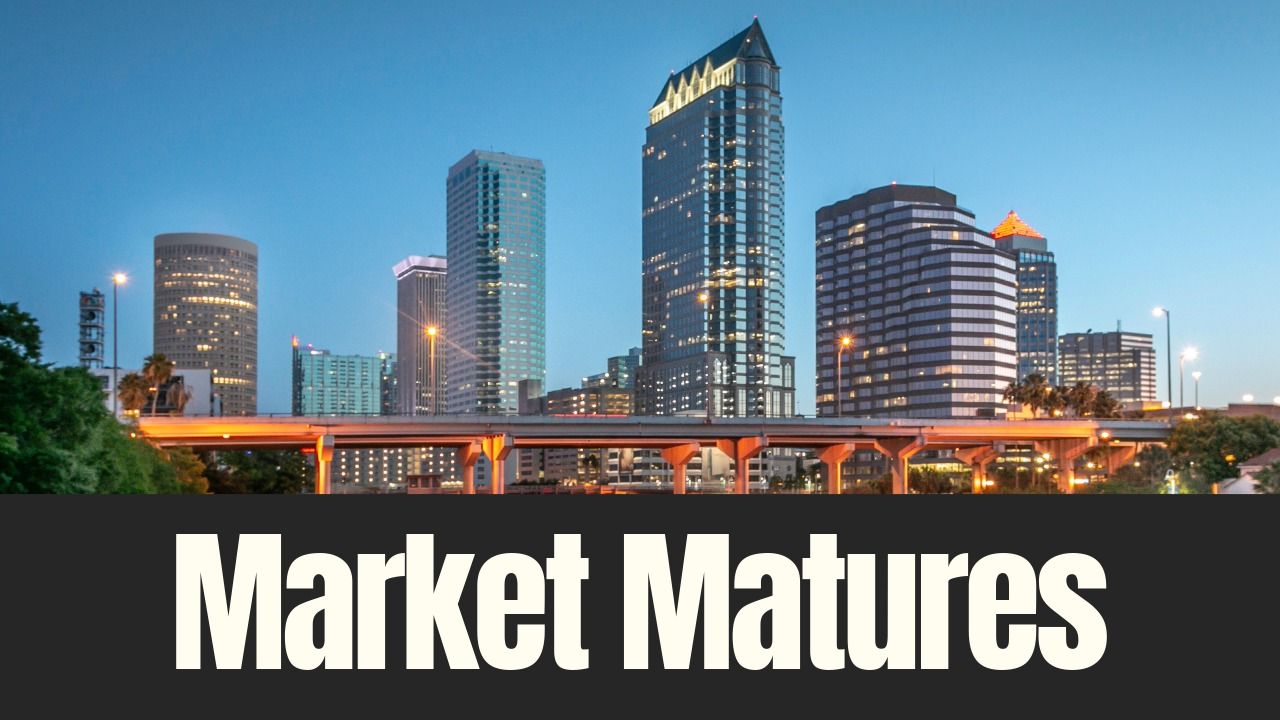
Tampa isn’t cooling off—it’s getting smarter. After years of rapid expansion, the city’s commercial real estate market has shifted into a more disciplined, selective phase. Population growth remains strong, office leasing is outperforming national trends, industrial activity is normalizing sustainably, and retail is seeing renewed investor confidence. With capital becoming more cautious and health care real estate emerging as a major growth sector, Tampa is entering a new era focused on strategy, execution, and long‑term fundamentals.