Commercial Real Estate Investors Brace for a Rebound in 2026
The commercial real estate sector, after years of shocks from the pandemic, evolving work culture, and extreme interest rate fluctuations, is finally showing signs of vibrant recovery. Analysts across major firms suggest that 2026 may mark the first fully stabilized year since the global disruption began, inspiring renewed confidence from investors, brokers, and market strategists.
According to a compelling breakdown featured by Chief Investment Officer, leasing activity and investor sentiment across the country’s top markets are surging—signaling a shift many have been anticipating.
A Turning Point After Years of Disruption
Joshua Scoville, Global Head of Research at Hines, observed that 2025 already appeared to mark the beginning of a meaningful recovery, even as macroeconomic uncertainty lingered.
“When we look back at the cycle, 2025 will be the first year of a recovery… and in 2026, that uncertainty is finally in the rear-view mirror,” said Scoville.
This positive sentiment was present even before the U.S. Supreme Court overturned 60% of previous tariff structures—a shift that may stir temporary volatility but is unlikely to derail broader momentum.
CBRE projects a 16% jump in commercial real estate investment volume this year, estimating a climb to $562 billion. This level nearly mirrors pre-pandemic performance, signaling a stabilization long awaited by the industry.
Their 2026 U.S. Real Estate Market Outlook also notes a dramatic increase in confidentiality agreements executed in 2025—a clear sign of strengthened buyer engagement.
Large corporate tenants are now re-entering the market with renewed clarity around their workspace strategies, driving leasing numbers beyond 2019 levels.
Market-by-Market Recovery: Manhattan Leads the Way
Hines’ nationwide analysis crowns Manhattan as the leading indicator of the recovery cycle, with San Francisco trailing approximately a year behind. Meanwhile, Chicago and Los Angeles remain in stabilization mode, and markets like Denver and Seattle are expected to bottom out later this year.
“Manhattan is kind of a harbinger for the rest of the country, just way ahead of everywhere else,” Scoville said.
In the Bay Area, the rapid acceleration of artificial intelligence industries is driving a measurable boost in leasing—a trend Colliers predicts will intensify throughout 2026.
High-Quality Spaces Dominate Demand
Across nearly all top-tier markets, high-end Class A and A+ spaces are outperforming every other category. With limited supply and a premium placed on modern amenities, these assets are expected to continue leading the rebound.
CBRE forecasts that “spillover demand” will soon begin benefiting secondary buildings, especially in early-recovery regions trying to close the quality gap.
Colliers anticipates national vacancy rates falling below 18% by year’s end, driven by a tight construction pipeline and renewed interest in high-grade existing spaces.
The Suburban Office Comeback
Momentum is not limited to major metros. Suburban markets with modern, amenity-rich buildings are demonstrating strong leasing performance—sometimes even outperforming nearby urban centers.
“In 2026, the office opportunity is less about ‘office is back’ and more about the best office winning,” said Eric Hochman, CIO of PEBB Enterprises.
For professionals rebalancing portfolios or entering the commercial sector, this shift underscores the importance of carefully analyzing building quality, location, and amenity ecosystems.
What This Means for Professionals
The next two years may represent a historic entry point for real estate professionals looking to grow, pivot, or upgrade their expertise. Whether in investment sales, development, analytics, or brokerage, those who sharpen their skills now will be best positioned to capitalize on the next phase of expansion.
Cameron Academy continues to support professionals nationwide with industry-leading courses in real estate, mortgage, insurance, finance, medical fields, and more—across all 50 states. From Florida real estate licensing to advanced certifications, our programs ensure you stay ahead as the market accelerates.
To explore the complete report and industry analysis, visit the original coverage on Chief Investment Officer.
More Articles
Getting licensed or staying ahead in your career can be a journey—but it doesn’t have to be overwhelming. Grab your favorite coffee or tea, take a moment to relax, and browse through our articles. Whether you’re just starting out or renewing your expertise, we’ve got tips, insights, and advice to keep you moving forward. Here’s to your success—one sip and one step at a time!
The Phoenix housing market continues to outperform the rest of the country, posting stronger sales, rising equity, and an influx of qualified buyers. With closed sales, pending sales, new listings, and median prices all trending upward, the Valley is outpacing national growth by a wide margin. City‑level data shows impressive strength across Scottsdale, Goodyear, Gilbert, Phoenix, and more—making 2025 a powerful year for agents, investors, and professionals watching the Arizona market.
With the 2026 FIFA World Cup and America’s 250th birthday celebrations on the horizon, the U.S. job market is gearing up for a surge across multiple industries. Seasonal, flexible, and part‑time roles are expected to rise—especially for workers 50+ who have struggled in a cooling labor market. From accounting and HR leadership to event staffing and delivery driving, major cities are preparing for increased hiring tied to tourism, infrastructure, and yearlong national celebrations. Many of these fast‑growing roles connect directly to licensing and certification pathways, giving professionals new chances to pivot or upskill through programs offered by Cameron Academy.
Florida is rolling out a new wave of laws on January 1, 2026 that will impact professionals in real estate, insurance, healthcare, education, and other regulated industries. From new insurance rules and healthcare billing requirements to condo association deadlines and statewide databases, these updates reshape compliance expectations across the state. Whether you work in property, finance, or public‑facing services, understanding these changes is essential for staying aligned with Florida’s evolving regulations.
Nearly every commercial real estate professional is expecting a stronger year ahead, with 97% predicting increased or stable activity in 2026, according to Avison Young’s latest outlook. Confidence has surged dramatically since mid‑2025 as strong sales, anticipated rate cuts, and improving fundamentals across key sectors signal that CRE recovery and growth may finally be taking hold.
Dallas‑Fort Worth is finishing 2025 as the nation’s top real estate and business powerhouse, fueled by corporate relocations, a dominant industrial sector, infrastructure megaprojects, and a rapidly evolving workforce landscape. From data center expansion to the launch of the DART Silver Line, the region continues to outpace national trends—while also confronting a growing demand for skilled professionals and licensed talent across construction, real estate, and technical fields.
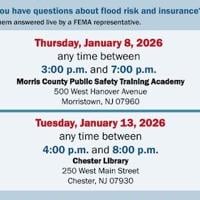
FEMA and the NJDEP have released revised preliminary flood maps for Morris County, reshaping how homeowners, real estate agents, insurers, and mortgage professionals assess flood risk. The updated FIRMs may shift properties into or out of higher‑risk zones, affecting insurance requirements, closing processes, and long‑term property values. With public review and appeals ahead, industry professionals are urged to study the changes now and prepare clients for potential impacts.