Commercial Real Estate Investors Brace for a Rebound in 2026
The commercial real estate sector, after years of shocks from the pandemic, evolving work culture, and extreme interest rate fluctuations, is finally showing signs of vibrant recovery. Analysts across major firms suggest that 2026 may mark the first fully stabilized year since the global disruption began, inspiring renewed confidence from investors, brokers, and market strategists.
According to a compelling breakdown featured by Chief Investment Officer, leasing activity and investor sentiment across the country’s top markets are surging—signaling a shift many have been anticipating.
A Turning Point After Years of Disruption
Joshua Scoville, Global Head of Research at Hines, observed that 2025 already appeared to mark the beginning of a meaningful recovery, even as macroeconomic uncertainty lingered.
“When we look back at the cycle, 2025 will be the first year of a recovery… and in 2026, that uncertainty is finally in the rear-view mirror,” said Scoville.
This positive sentiment was present even before the U.S. Supreme Court overturned 60% of previous tariff structures—a shift that may stir temporary volatility but is unlikely to derail broader momentum.
CBRE projects a 16% jump in commercial real estate investment volume this year, estimating a climb to $562 billion. This level nearly mirrors pre-pandemic performance, signaling a stabilization long awaited by the industry.
Their 2026 U.S. Real Estate Market Outlook also notes a dramatic increase in confidentiality agreements executed in 2025—a clear sign of strengthened buyer engagement.
Large corporate tenants are now re-entering the market with renewed clarity around their workspace strategies, driving leasing numbers beyond 2019 levels.
Market-by-Market Recovery: Manhattan Leads the Way
Hines’ nationwide analysis crowns Manhattan as the leading indicator of the recovery cycle, with San Francisco trailing approximately a year behind. Meanwhile, Chicago and Los Angeles remain in stabilization mode, and markets like Denver and Seattle are expected to bottom out later this year.
“Manhattan is kind of a harbinger for the rest of the country, just way ahead of everywhere else,” Scoville said.
In the Bay Area, the rapid acceleration of artificial intelligence industries is driving a measurable boost in leasing—a trend Colliers predicts will intensify throughout 2026.
High-Quality Spaces Dominate Demand
Across nearly all top-tier markets, high-end Class A and A+ spaces are outperforming every other category. With limited supply and a premium placed on modern amenities, these assets are expected to continue leading the rebound.
CBRE forecasts that “spillover demand” will soon begin benefiting secondary buildings, especially in early-recovery regions trying to close the quality gap.
Colliers anticipates national vacancy rates falling below 18% by year’s end, driven by a tight construction pipeline and renewed interest in high-grade existing spaces.
The Suburban Office Comeback
Momentum is not limited to major metros. Suburban markets with modern, amenity-rich buildings are demonstrating strong leasing performance—sometimes even outperforming nearby urban centers.
“In 2026, the office opportunity is less about ‘office is back’ and more about the best office winning,” said Eric Hochman, CIO of PEBB Enterprises.
For professionals rebalancing portfolios or entering the commercial sector, this shift underscores the importance of carefully analyzing building quality, location, and amenity ecosystems.
What This Means for Professionals
The next two years may represent a historic entry point for real estate professionals looking to grow, pivot, or upgrade their expertise. Whether in investment sales, development, analytics, or brokerage, those who sharpen their skills now will be best positioned to capitalize on the next phase of expansion.
Cameron Academy continues to support professionals nationwide with industry-leading courses in real estate, mortgage, insurance, finance, medical fields, and more—across all 50 states. From Florida real estate licensing to advanced certifications, our programs ensure you stay ahead as the market accelerates.
To explore the complete report and industry analysis, visit the original coverage on Chief Investment Officer.
More Articles
Getting licensed or staying ahead in your career can be a journey—but it doesn’t have to be overwhelming. Grab your favorite coffee or tea, take a moment to relax, and browse through our articles. Whether you’re just starting out or renewing your expertise, we’ve got tips, insights, and advice to keep you moving forward. Here’s to your success—one sip and one step at a time!
Florida now holds the highest foreclosure rate in the country, and Tampa sits at the center of the surge. With one in every 1,373 homes facing foreclosure, skyrocketing insurance premiums, rising housing costs and reduced equity are pushing many homeowners—especially those who purchased between 2020 and 2023—into financial distress. While some experts view the spike as a market “normalization,” professionals in real estate and finance are watching closely as Tampa’s backlog clears and pressure continues to build across the state.
Two former 3M campuses in Northwest Austin are set for a dramatic rebirth as Karlin Real Estate pushes forward with plans for Highpoint 2222 and the Duval site. The vision includes office and lab space, up to 65,000 square feet of retail, more than 1,200 multifamily homes, and new green space. With over 500 residents weighing in through the 2222 Coalition of Neighborhood Associations, traffic, density, and environmental protections are shaping the final blueprint. As office demand cools, mixed‑use development is becoming the new normal—positioning this corridor for one of the biggest transformations Austin has seen in years.
Despite constant headlines about a “housing crisis,” many economists and industry professionals argue the reality is more nuanced. In many regions, the issue isn’t a lack of homes but a mismatch between what’s available and what buyers want or can afford. As demographic shifts and remote work reshape demand, the market is evolving—not collapsing—creating opportunities for real estate, mortgage, insurance, and finance professionals who understand the difference between perception and reality.
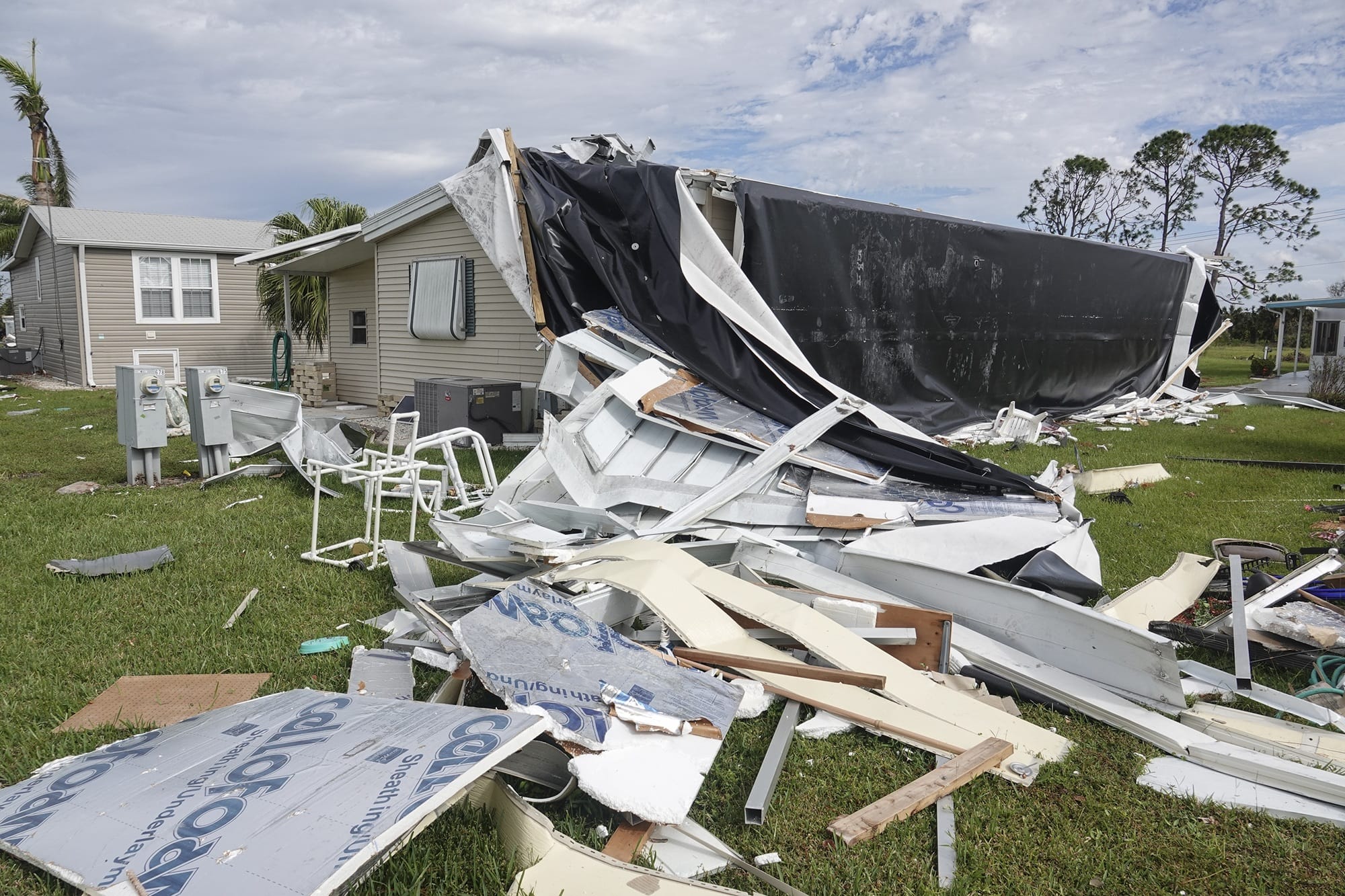
Hurricane Ian’s aftermath has exposed a growing affordability crisis across Southwest Florida. Skyrocketing insurance premiums, soaring construction costs, and rapid gentrification are making it harder for long‑time residents and middle‑class families to stay in their communities. From Fort Myers Beach to inland neighborhoods, homeowners, renters, and small businesses are feeling the pressure as rising costs reshape the region’s housing market and push many to reconsider their future in the state.
Florida’s home insurance market is facing its biggest credibility crisis in years. Despite major reforms meant to stabilize the system, homeowners are being pushed from Citizens into higher‑priced private insurers, many tied to companies that previously collapsed. Questionable financial ratings, high claim‑denial rates, and luxury‑level executive payouts are raising red flags across the state. For real estate and insurance professionals, this unstable landscape is reshaping home affordability, buyer confidence, and long‑term risk in Florida’s property market.
A new Michigan House bill aims to let licensed professionals complete all continuing education requirements online, offering greater flexibility for workers juggling rural travel, multiple jobs, or family demands. Supporters say the reform maintains high professional standards while removing unnecessary barriers, with regulators backing the shift and in‑person options remaining available.