Commercial Real Estate Pros Are Almost All Bullish on 2026
If you’ve been feeling a subtle but undeniable shift in the commercial real estate landscape heading into 2026, you’re right in sync with the experts. According to the new Avison Young Canadian Outlook report, an astonishing 97% of CRE professionals believe market activity will rise or remain stable next year.
That level of positivity isn’t common—and it certainly isn’t random. It reflects a major leap from mid‑2025, when only 45% predicted increased activity. Now, confidence is snowballing as professionals align around a shared expectation: the comeback is real.
A Market Primed for a Surge
Among the nearly 200 CRE professionals surveyed, 64% expect activity to increase in 2026, while another 33% foresee stability. That leaves only a tiny slice predicting a downturn—arguably the boldest forecasters in the room.
Mark Fieder, Principal and President of Avison Young Canada, described the mood simply but powerfully: “Optimism is in the air.” With 2025 investment volumes matching the previous year and Q3 showing the strongest sales since 2022, the industry is gaining unmistakable traction.
Quick Pulse Check
How CRE experts feel about 2026:
64% anticipate increased activity
33% expect stable performance
A very small minority anticipate decline
What’s Driving This Optimism?
Avison Young identifies several momentum‑boosting factors:
Potential Bank of Canada rate cuts refreshing investor enthusiasm
Strong employment and manageable inflation pressures
Persistent demand in medical, grocery, and wellness‑focused retail
With the exception of Vancouver—which is expected to hold steady—most of Canada’s major markets are positioned for increased activity.
But Not Every Cloud Has a Silver Lining
U.S. tariff policies remain one of the largest question marks. Declining exports in machinery, automotive, and related industries could create friction for various regional economies in Canada, moderating otherwise promising gains.
Multifamily outlooks remain cautiously positive, though buyer‑seller pricing gaps continue to pinch transaction volume. Industrial, on the other hand, remains a dependable star performer—poised to carry its strength straight into 2026.
Why This Matters for Today’s Real Estate Professionals
Whether you’re an investor, a broker, or a professional gearing up to advance your licensing or skillset, this rising optimism marks a significant turning point. Markets are shifting—and staying ahead requires staying sharp.
Professionals across real estate, mortgage, insurance, finance, and other licensed fields continue to rely on Cameron Academy for flexible, modern, and industry‑ready education to meet the moment.
Getting licensed or staying ahead in your career can be a journey—but it doesn’t have to be overwhelming. Grab your favorite coffee or tea, take a moment to relax, and browse through our articles. Whether you’re just starting out or renewing your expertise, we’ve got tips, insights, and advice to keep you moving forward. Here’s to your success—one sip and one step at a time!
After years of soaring premiums and insurer instability, Florida’s property insurance market is finally turning a corner. Major carriers have filed 83 requests for rate decreases heading into 2026, with companies like Florida Peninsula and Patriot Select proposing cuts of 8.4% and 11.3%. Some homeowners may see relief as early as next month, signaling a long‑awaited shift toward market stability.
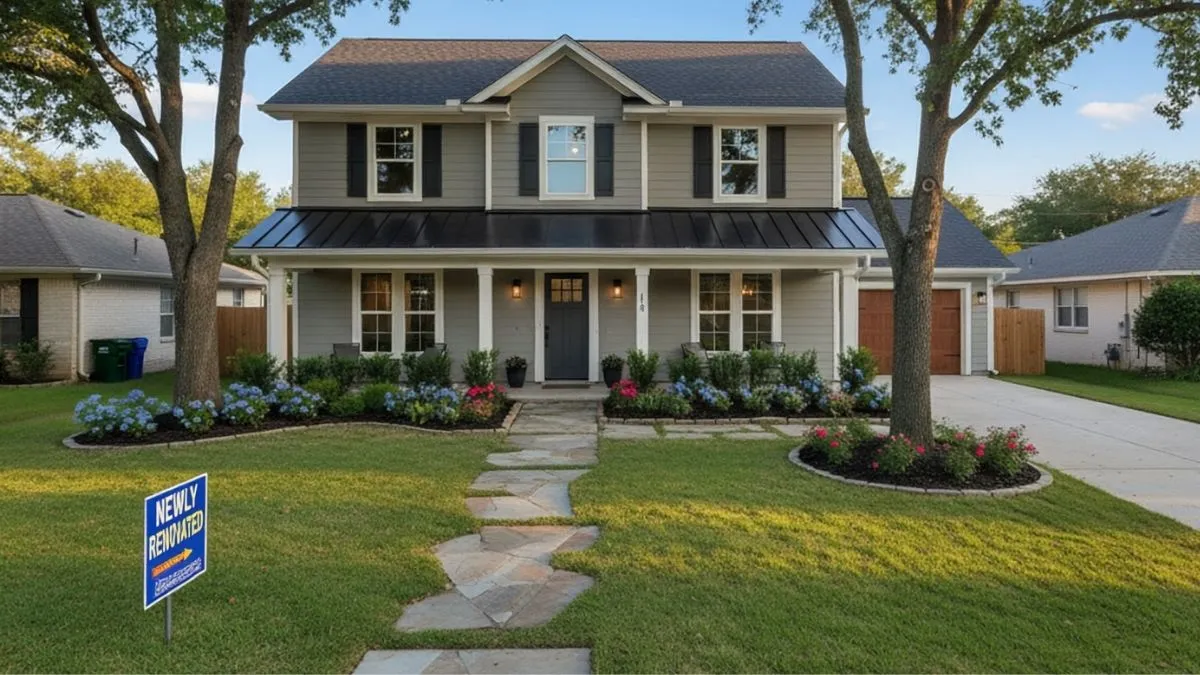
Fix-and-flip investing is gearing up for one of its strongest years in a decade as 2026 approaches. With cheaper capital, more accessible funding, easing interest rates, and long-awaited increases in housing inventory, investors are finding the perfect environment to launch or scale renovation-based real estate businesses. Renovation continues to outpace new construction in cost and speed, and demand for move-in-ready homes remains high, making 2026 a powerful opportunity window for both new and experienced investors.
After a short-lived period of relief in 2025, the U.S. rental market may be headed for a tighter, more expensive 2026. With construction starts dropping nearly 11% and completions plunging 42%, the surge of new apartments that helped lower rents is rapidly drying up. Rising costs, shrinking inventory, and a slowdown in new development point to a potential rental crunch that could leave renters facing heavier competition and higher prices across major markets next year.
The commercial real estate market is entering a rare reset that experts say mirrors the post‑2008 boom, creating a potential window for disciplined investors. With trillions in commercial debt coming due and property values dropping up to 40%, firms like AARE are positioning themselves to acquire assets below replacement cost—an advantage that could set the stage for significant long‑term growth.
Commercial real estate is entering a reinvention phase, with AI‑driven productivity, modernized office demand, experience‑focused retail, expanding industrial logistics, creative housing solutions, and sustainability‑centered design all accelerating nationwide. These six forces are shaping how investors, brokers, and future licensees will operate in a rapidly evolving U.S. market.
After years of economic uncertainty and cautious decision‑making, 2026 is shaping up to be the year professionals finally catch a break. AI is moving from buzzword to essential tool, capital markets are beginning to thaw, and hiring is picking up across real estate, mortgage, insurance, finance, and healthcare. With opportunity returning, many professionals are using this moment to upskill—pursuing new licenses, certifications, and cross‑industry expertise.