Commercial Real Estate Pros Are Almost All Bullish on 2026
If you’ve been feeling a subtle but undeniable shift in the commercial real estate landscape heading into 2026, you’re right in sync with the experts. According to the new Avison Young Canadian Outlook report, an astonishing 97% of CRE professionals believe market activity will rise or remain stable next year.
That level of positivity isn’t common—and it certainly isn’t random. It reflects a major leap from mid‑2025, when only 45% predicted increased activity. Now, confidence is snowballing as professionals align around a shared expectation: the comeback is real.
A Market Primed for a Surge
Among the nearly 200 CRE professionals surveyed, 64% expect activity to increase in 2026, while another 33% foresee stability. That leaves only a tiny slice predicting a downturn—arguably the boldest forecasters in the room.
Mark Fieder, Principal and President of Avison Young Canada, described the mood simply but powerfully: “Optimism is in the air.” With 2025 investment volumes matching the previous year and Q3 showing the strongest sales since 2022, the industry is gaining unmistakable traction.
Quick Pulse Check
How CRE experts feel about 2026:
64% anticipate increased activity
33% expect stable performance
A very small minority anticipate decline
What’s Driving This Optimism?
Avison Young identifies several momentum‑boosting factors:
Potential Bank of Canada rate cuts refreshing investor enthusiasm
Strong employment and manageable inflation pressures
Persistent demand in medical, grocery, and wellness‑focused retail
With the exception of Vancouver—which is expected to hold steady—most of Canada’s major markets are positioned for increased activity.
But Not Every Cloud Has a Silver Lining
U.S. tariff policies remain one of the largest question marks. Declining exports in machinery, automotive, and related industries could create friction for various regional economies in Canada, moderating otherwise promising gains.
Multifamily outlooks remain cautiously positive, though buyer‑seller pricing gaps continue to pinch transaction volume. Industrial, on the other hand, remains a dependable star performer—poised to carry its strength straight into 2026.
Why This Matters for Today’s Real Estate Professionals
Whether you’re an investor, a broker, or a professional gearing up to advance your licensing or skillset, this rising optimism marks a significant turning point. Markets are shifting—and staying ahead requires staying sharp.
Professionals across real estate, mortgage, insurance, finance, and other licensed fields continue to rely on Cameron Academy for flexible, modern, and industry‑ready education to meet the moment.
Getting licensed or staying ahead in your career can be a journey—but it doesn’t have to be overwhelming. Grab your favorite coffee or tea, take a moment to relax, and browse through our articles. Whether you’re just starting out or renewing your expertise, we’ve got tips, insights, and advice to keep you moving forward. Here’s to your success—one sip and one step at a time!
Just 48 hours after NAR unveiled major revisions to its MLS policies, plaintiffs in the Michigan-based Hardy lawsuit moved to use those changes as evidence, arguing they prove NAR’s prior rules were anticompetitive. NAR denies any wrongdoing, but the case is quickly becoming a key test for whether MLS access should require Realtor membership — a question now echoing across multiple states and potentially reshaping how real estate professionals nationwide access the industry’s most essential tool.
Florida homeowners are now paying some of the highest insurance premiums in the country, with average costs topping $5,800 per year—nearly double the national average. Residents report skyrocketing rates, denied claims, and tough choices between costly coverage and financial risk. As frustration grows, lawmakers and consumer advocates are pushing new reforms aimed at increasing transparency, capping rate hikes, and protecting policyholders in one of the nation’s most volatile insurance markets.
Economic uncertainty, rapid AI adoption, tighter capital flows, and rising portfolio risk are reshaping the 2026 commercial real estate landscape. From shifting workforce patterns to a national housing attainability crisis, the industry is entering a data‑driven, fundamentals‑focused era—making adaptability, education, and tech literacy essential for real estate professionals.
Mortgage rates have climbed to 6.23 percent as investors grow doubtful that the Federal Reserve will deliver a rate cut in December. A soft but unclear jobs report and persistent inflation have pushed borrowing costs higher, reversing October’s brief relief in the housing market. Real estate and mortgage professionals should prepare clients for continued volatility as the Fed’s December meeting approaches.
After years of tight inventory, high mortgage rates, and sluggish sales, economists say 2026 is shaping up to be the turnaround real estate professionals have been waiting for. NAR projects a 14 percent jump in home sales, mortgage rates easing toward 6 percent, and buyer demand finally gaining momentum. While higher‑end homes are moving quickly, first‑time buyers continue to face affordability challenges, and price reductions are reappearing as sellers adjust to shifting conditions. For Florida agents, brokers, and newcomers, the stage is being set for a busy and opportunity‑rich year.
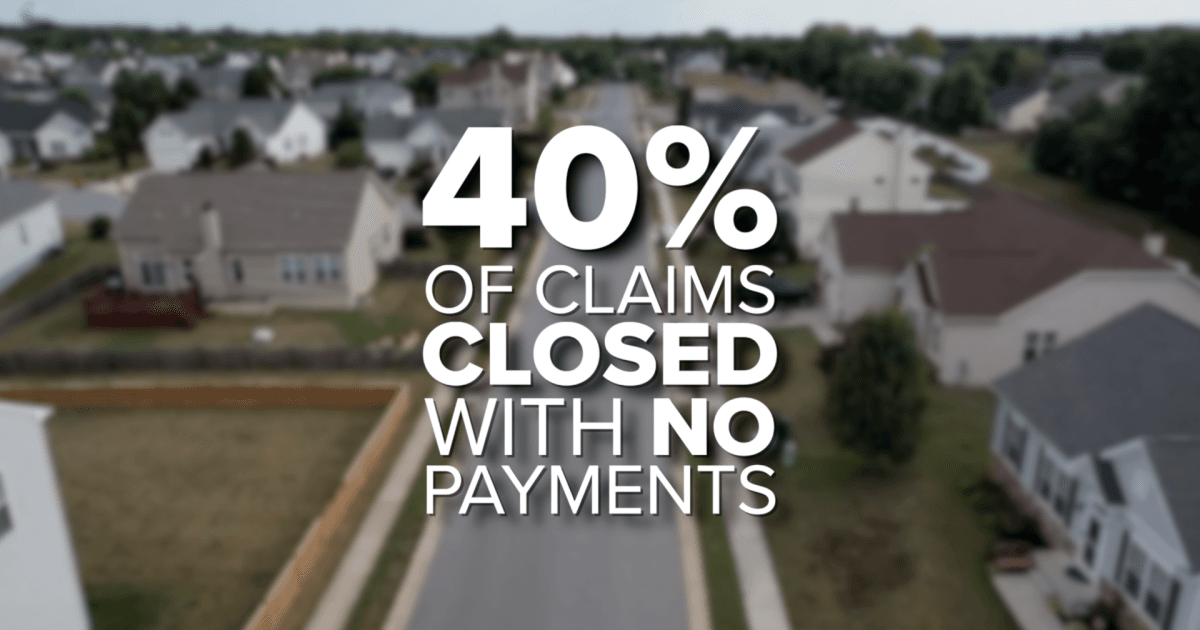
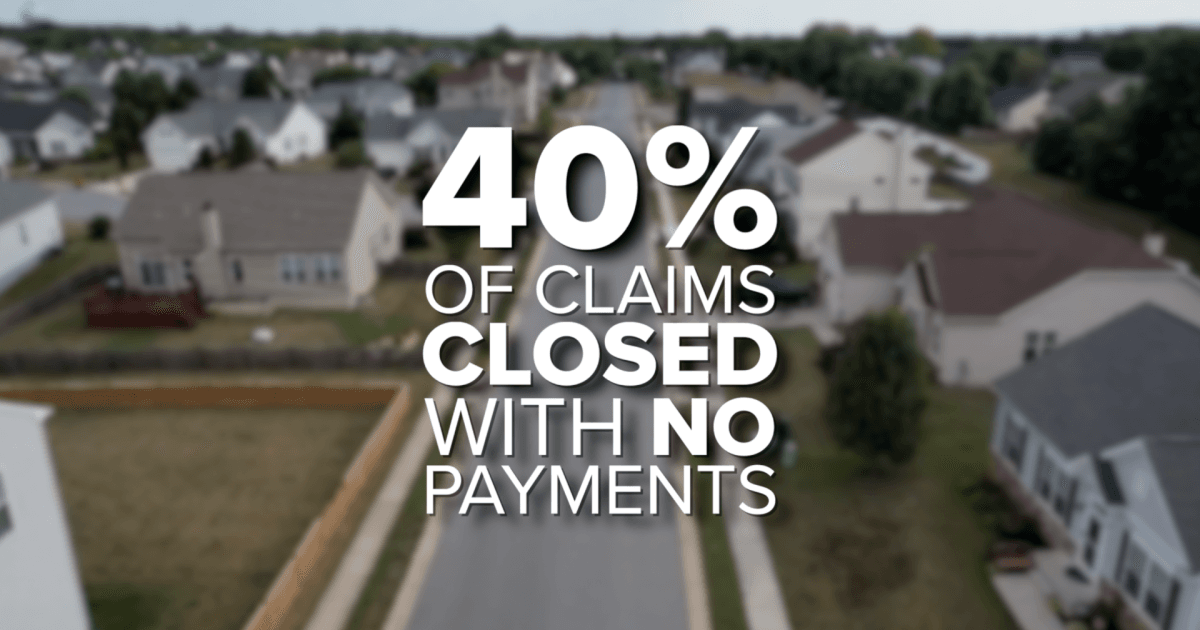
Florida’s average homeowner insurance premium has soared to $5,838 a year—almost $3,000 above the national average—pushing many residents to the financial brink. From tripled premiums to lowball claim payouts, homeowners are speaking out as frustration mounts. Some are even dropping coverage entirely. With more than 40% of claims closed without payment and policy cancellations at record levels, lawmakers are pushing for reforms, but political hurdles remain. The outcome could reshape Florida real estate, insurance, and mortgage markets for years to come.