Commercial Real Estate Rebounds, but AI Concerns Stir Investor Jitters
Commercial real estate is surging back to life — and investors are paying attention. Yet even as dealmaking accelerates, a new wave of anxiety is spreading across the industry: the growing influence of AI.
Leaders from three of the world’s most powerful commercial brokerage firms — Hessam Nadji of Marcus & Millichap, Jay Hennick of Colliers, and Bob Sulentic of CBRE — reported impressive earnings, some hitting record highs. But earnings calls quickly shifted as analysts repeatedly questioned whether AI could disrupt brokerage, valuation, and high‑level transaction work.
“AI Can’t Replace Human Insight,” CEOs Say
Sulentic underscored that CBRE’s value is rooted in irreplaceable human relationships and advanced problem‑solving — far beyond anything automated systems can replicate. “We’re not selling $2 million condos,” he noted. “These are big, complex transactions that we’re doing.”
The bottom line: AI may assist, but it cannot replicate the decades of trust, nuance, and strategic negotiation behind commercial real estate deals.
Still, the concerns were enough to momentarily shake real estate stocks — continuing a broader pattern of AI‑driven volatility across multiple sectors.
Evidence of a Recovering Market
Despite AI anxiety, fundamentals remain strong. Office leasing is improving, lending jumped over 30% in the fourth quarter, and CBRE posted its highest revenue ever — surpassing $40 billion.
Hennick emphasized that AI is actually strengthening productivity at Colliers, while Nadji dismissed doomsday fears as “overly cautious,” calling full AI displacement “almost an impossible scenario.”
Where AI Helps — and Where It Won’t
Experts agree AI’s real power lies in data organization, underwriting, automation, and administrative tasks. Meanwhile, property tours, negotiations, and client advising remain firmly in human hands.
Nadji explained that AI already boosts underwriting speed and analysis: “There are countless ways AI is going to improve manual processes.” Still, he rejected predictions of empty office towers run entirely by machines.
Robert Shibuya of Mohr Partners echoed this, calling the stock‑market reaction an “overreaction.” AI can summarize a 40‑page lease in minutes — but no algorithm can walk a property, sense the environment, or negotiate a deal with human nuance.
For both new and seasoned professionals, the takeaway is clear: AI is a tool — not a replacement. Those who learn to leverage technology while mastering human‑driven skills will lead the next generation of CRE success.
This is where Cameron Academy excels — empowering professionals across Florida and the entire U.S. with the knowledge and training needed to stay competitive in an evolving market.
Source material inspired by CoStar News. Visit their original report for deeper insights and ongoing commercial real estate coverage.
More Articles
Getting licensed or staying ahead in your career can be a journey—but it doesn’t have to be overwhelming. Grab your favorite coffee or tea, take a moment to relax, and browse through our articles. Whether you’re just starting out or renewing your expertise, we’ve got tips, insights, and advice to keep you moving forward. Here’s to your success—one sip and one step at a time!
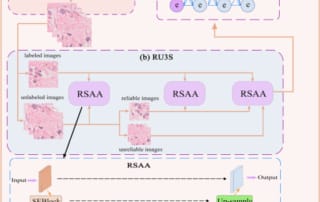
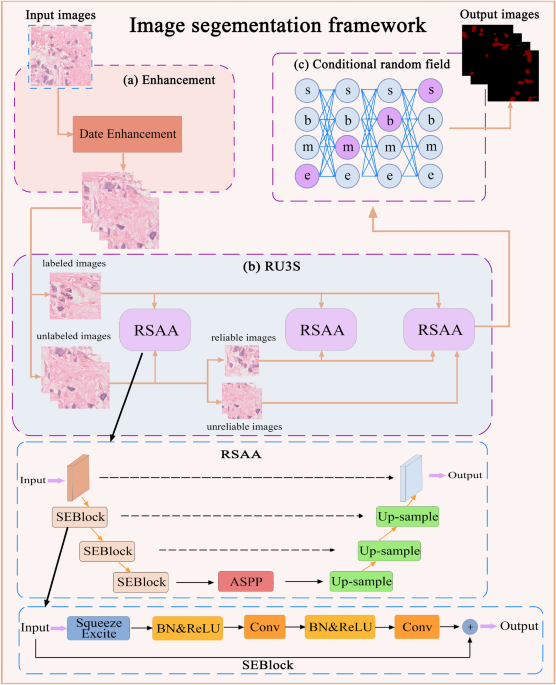
The integration of artificial intelligence (AI) and computer vision is set to transform the analysis of cytopathological images, particularly crucial for developing countries where the shortage of medical professionals makes manual image analysis a daunting challenge.
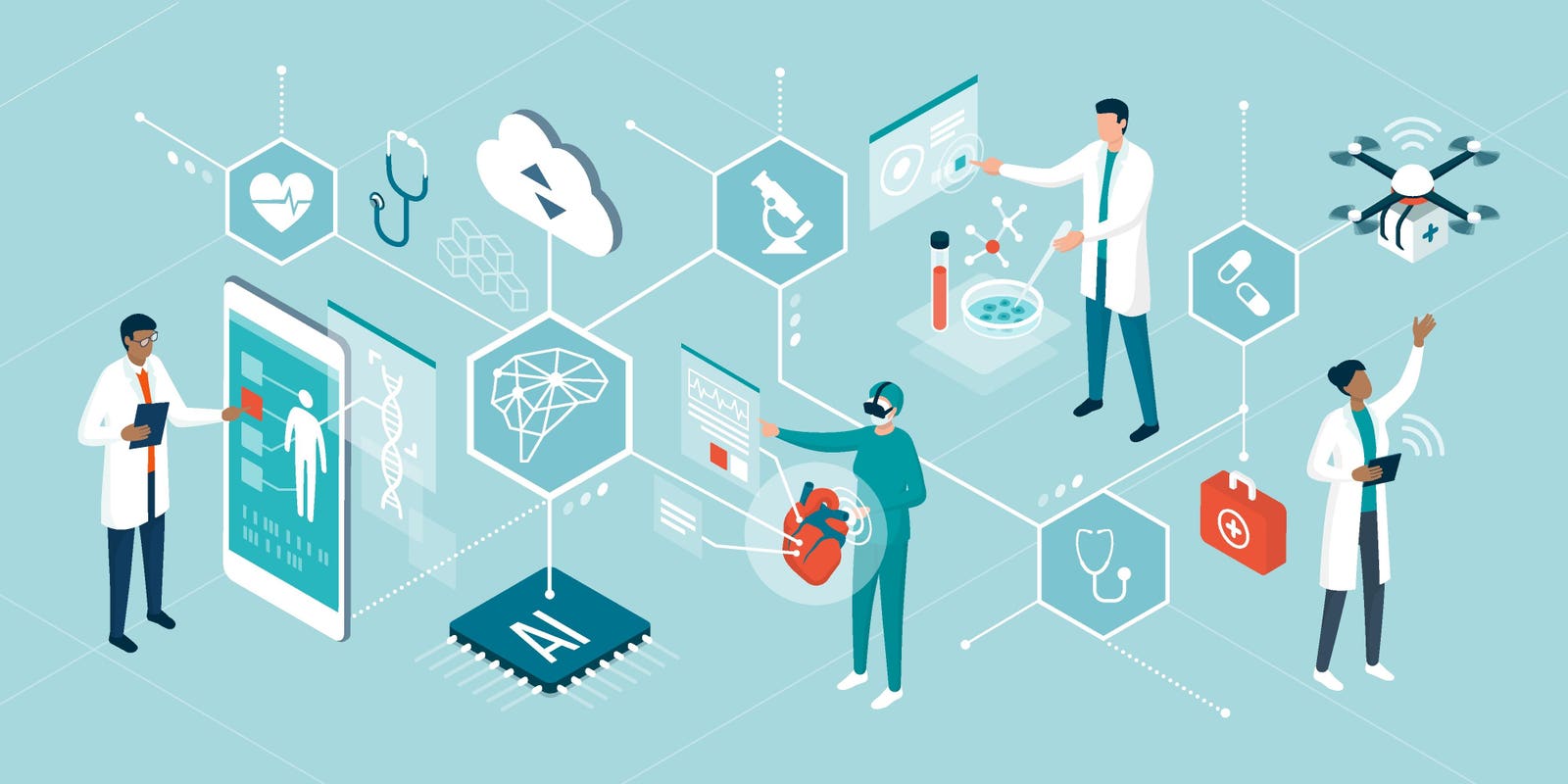
In the rapidly evolving world of healthcare technology, the rise of telemedicine and remote patient monitoring has opened new frontiers for patient care. However, these advancements also widen the footprint for potential vulnerabilities, making data protection more crucial than ever.
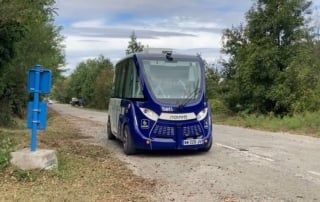
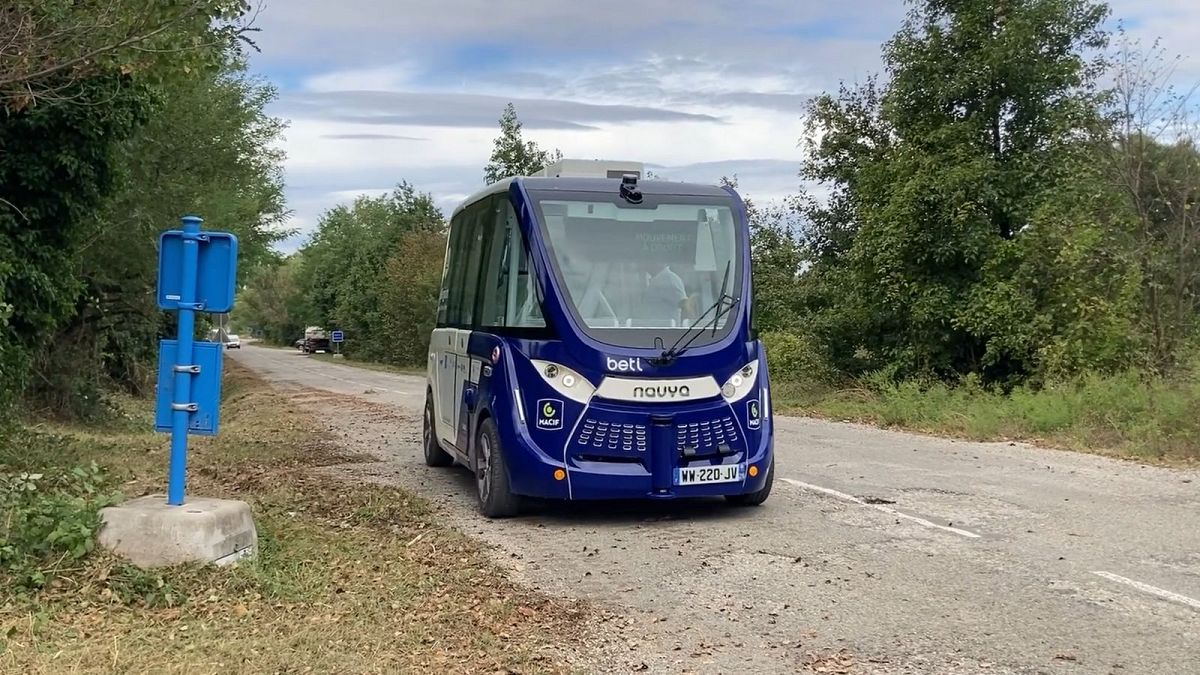
The introduction of these shuttles in Val de Drôme - Crest, where the population density is significantly lower than the national average, has been met with positive feedback. Residents appreciate the newfound mobility options, especially in areas where alternatives are limited. Arnaud noted, "The question of acceptability arises when you have the luxury of having other options. When you don't have a choice, you're very happy to have [the shuttle]."
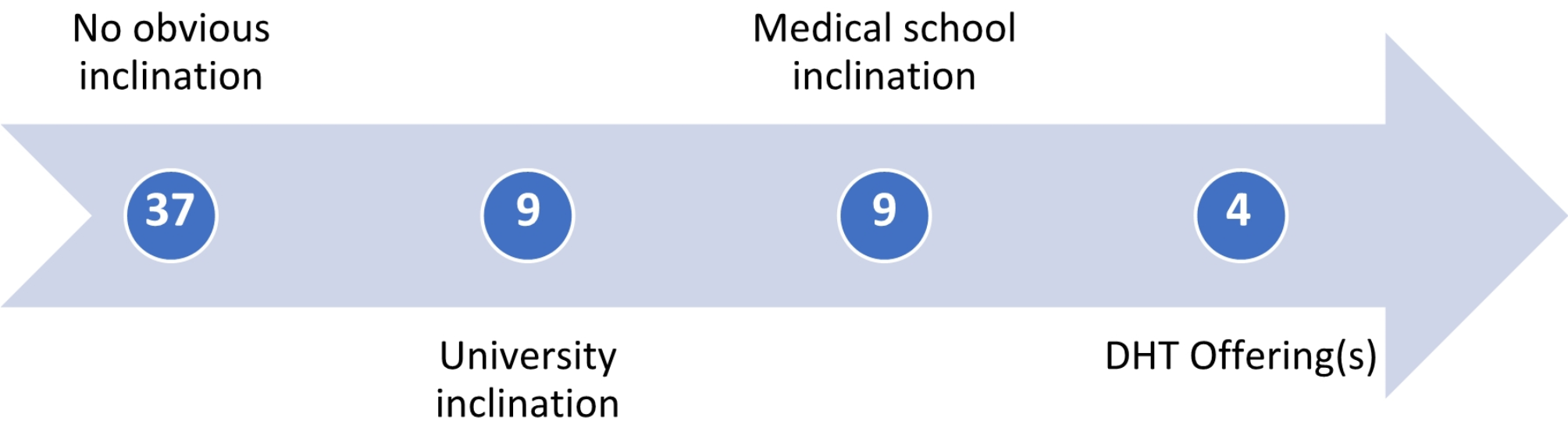
The University of South Dakota is poised to revolutionize its approach to healthcare education through a substantial $1.1 million federal grant. This transformative initiative is a collaborative effort to enhance telehealth services, aiming to improve healthcare access, particularly in rural areas.