Commercial Real Estate Rebounds, but AI Concerns Stir Investor Jitters
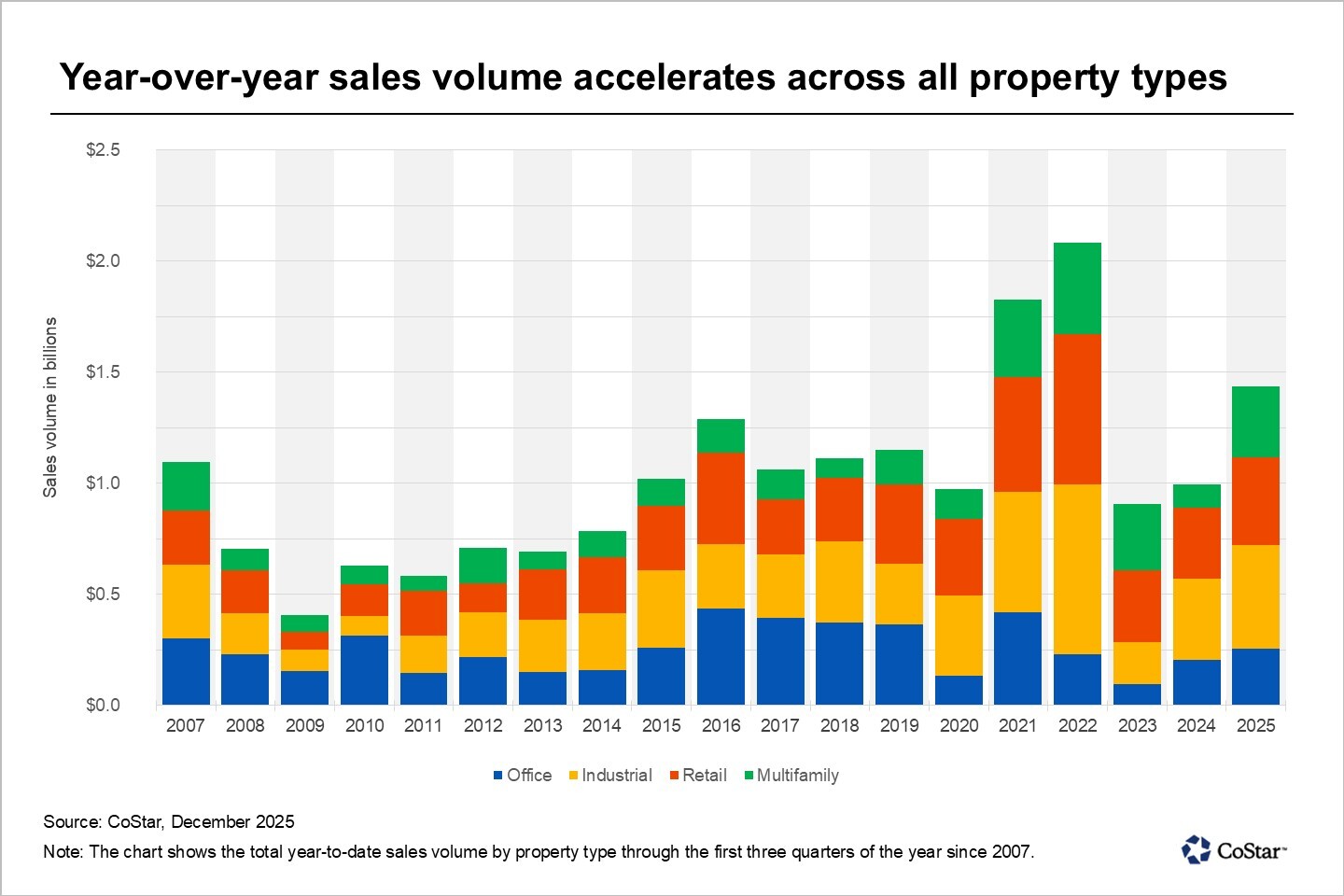
Commercial real estate is surging back to life — and investors are paying attention. Yet even as dealmaking accelerates, a new wave of anxiety is spreading across the industry: the growing influence of AI.
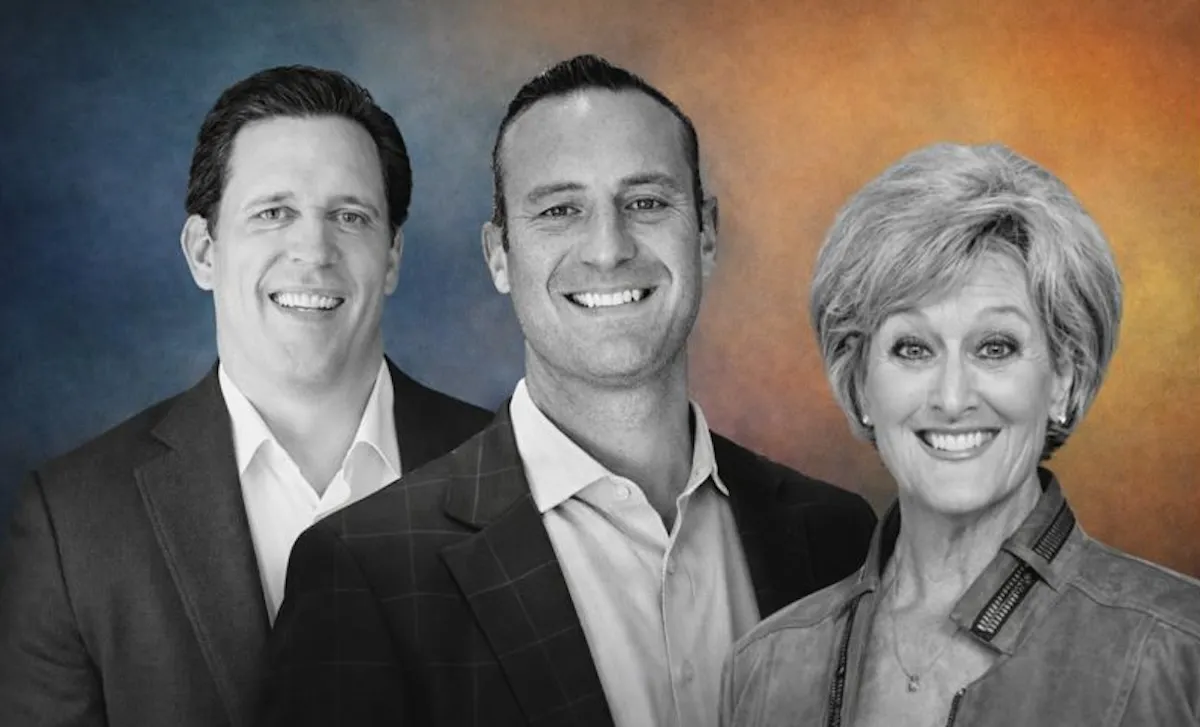
Leaders from three of the world’s most powerful commercial brokerage firms — Hessam Nadji of Marcus & Millichap, Jay Hennick of Colliers, and Bob Sulentic of CBRE — reported impressive earnings, some hitting record highs. But earnings calls quickly shifted as analysts repeatedly questioned whether AI could disrupt brokerage, valuation, and high‑level transaction work.
“AI Can’t Replace Human Insight,” CEOs Say
Sulentic underscored that CBRE’s value is rooted in irreplaceable human relationships and advanced problem‑solving — far beyond anything automated systems can replicate. “We’re not selling $2 million condos,” he noted. “These are big, complex transactions that we’re doing.”
The bottom line: AI may assist, but it cannot replicate the decades of trust, nuance, and strategic negotiation behind commercial real estate deals.
Still, the concerns were enough to momentarily shake real estate stocks — continuing a broader pattern of AI‑driven volatility across multiple sectors.
Evidence of a Recovering Market
Despite AI anxiety, fundamentals remain strong. Office leasing is improving, lending jumped over 30% in the fourth quarter, and CBRE posted its highest revenue ever — surpassing $40 billion.
Hennick emphasized that AI is actually strengthening productivity at Colliers, while Nadji dismissed doomsday fears as “overly cautious,” calling full AI displacement “almost an impossible scenario.”
Where AI Helps — and Where It Won’t
Experts agree AI’s real power lies in data organization, underwriting, automation, and administrative tasks. Meanwhile, property tours, negotiations, and client advising remain firmly in human hands.
Nadji explained that AI already boosts underwriting speed and analysis: “There are countless ways AI is going to improve manual processes.” Still, he rejected predictions of empty office towers run entirely by machines.
Robert Shibuya of Mohr Partners echoed this, calling the stock‑market reaction an “overreaction.” AI can summarize a 40‑page lease in minutes — but no algorithm can walk a property, sense the environment, or negotiate a deal with human nuance.
For both new and seasoned professionals, the takeaway is clear: AI is a tool — not a replacement. Those who learn to leverage technology while mastering human‑driven skills will lead the next generation of CRE success.
This is where Cameron Academy excels — empowering professionals across Florida and the entire U.S. with the knowledge and training needed to stay competitive in an evolving market.
Source material inspired by CoStar News. Visit their original report for deeper insights and ongoing commercial real estate coverage.
More Articles
Getting licensed or staying ahead in your career can be a journey—but it doesn’t have to be overwhelming. Grab your favorite coffee or tea, take a moment to relax, and browse through our articles. Whether you’re just starting out or renewing your expertise, we’ve got tips, insights, and advice to keep you moving forward. Here’s to your success—one sip and one step at a time!
In 2026, financial advisors are no longer just experimenting with AI — they’re relying on it. Once confined to back-office duties, AI now supports meeting prep, portfolio analysis, and even early-stage financial planning. Advisors say the tech is strengthening client relationships by freeing them from administrative overload, though entry-level roles like paraplanners may feel the squeeze as automation accelerates.
Cybercriminals are weaponizing AI to launch highly convincing email scams and system breaches across the mortgage industry, overwhelming lenders and servicers whose cybersecurity measures can’t keep up. With major companies already hit and regulation lagging behind, experts warn the sector—now considered critical infrastructure—must rapidly upgrade protections, collaborate on threat intelligence, and improve AI governance before the risks escalate further.
Escrow payments are quietly surging across the country as property taxes and insurance premiums spike—pushing many homeowners toward delinquencies and even foreclosure. New data from Cotality shows the sharpest increases hitting the South and Midwest, with Florida among the hardest‑hit states. Even with fixed mortgage rates, rising escrow requirements are driving monthly payments higher and threatening affordability heading into 2026.
Milwaukee entered 2025 with renewed momentum, posting its strongest commercial real estate sales volume in three years. After a period of uncertainty and high capital costs, investors are returning with a sharper focus on quality assets, realistic pricing, and reliable cash flow. Activity is increasing across industrial, office, multifamily, and retail sectors, signaling a broad-based recovery fueled by stabilizing interest rates and improved market confidence.
As 2026 approaches, the title insurance industry is navigating a complex mix of market recovery, rising fraud threats, and sweeping regulatory changes. Industry leaders say the path forward centers on smarter technology, leaner operations, and stronger support for title agents. With AI-driven workflows, enhanced fraud prevention, and new compliance demands—including FinCEN’s expanded Geographic Targeting Orders—companies like Stewart and First American are reshaping how title work gets done. For real estate and mortgage professionals, the year ahead promises more automation, heightened standards, and major opportunities for those who stay ahead of the curve.
The real estate industry is undergoing a major transformation in 2025 as advancements in AI, proptech, blockchain, and data intelligence redefine how properties are marketed, valued, financed, and experienced. From instant digital valuations and immersive virtual tours to tokenized investments and predictive analytics, technology is reshaping every stage of the real estate lifecycle. Professionals who embrace these innovations—while maintaining the human expertise clients still rely on—will lead the next era of the industry.