Commercial Real Estate Rebounds, but AI Concerns Stir Investor Jitters
Commercial real estate is surging back to life — and investors are paying attention. Yet even as dealmaking accelerates, a new wave of anxiety is spreading across the industry: the growing influence of AI.
Leaders from three of the world’s most powerful commercial brokerage firms — Hessam Nadji of Marcus & Millichap, Jay Hennick of Colliers, and Bob Sulentic of CBRE — reported impressive earnings, some hitting record highs. But earnings calls quickly shifted as analysts repeatedly questioned whether AI could disrupt brokerage, valuation, and high‑level transaction work.
“AI Can’t Replace Human Insight,” CEOs Say
Sulentic underscored that CBRE’s value is rooted in irreplaceable human relationships and advanced problem‑solving — far beyond anything automated systems can replicate. “We’re not selling $2 million condos,” he noted. “These are big, complex transactions that we’re doing.”
The bottom line: AI may assist, but it cannot replicate the decades of trust, nuance, and strategic negotiation behind commercial real estate deals.
Still, the concerns were enough to momentarily shake real estate stocks — continuing a broader pattern of AI‑driven volatility across multiple sectors.
Evidence of a Recovering Market
Despite AI anxiety, fundamentals remain strong. Office leasing is improving, lending jumped over 30% in the fourth quarter, and CBRE posted its highest revenue ever — surpassing $40 billion.
Hennick emphasized that AI is actually strengthening productivity at Colliers, while Nadji dismissed doomsday fears as “overly cautious,” calling full AI displacement “almost an impossible scenario.”
Where AI Helps — and Where It Won’t
Experts agree AI’s real power lies in data organization, underwriting, automation, and administrative tasks. Meanwhile, property tours, negotiations, and client advising remain firmly in human hands.
Nadji explained that AI already boosts underwriting speed and analysis: “There are countless ways AI is going to improve manual processes.” Still, he rejected predictions of empty office towers run entirely by machines.
Robert Shibuya of Mohr Partners echoed this, calling the stock‑market reaction an “overreaction.” AI can summarize a 40‑page lease in minutes — but no algorithm can walk a property, sense the environment, or negotiate a deal with human nuance.
For both new and seasoned professionals, the takeaway is clear: AI is a tool — not a replacement. Those who learn to leverage technology while mastering human‑driven skills will lead the next generation of CRE success.
This is where Cameron Academy excels — empowering professionals across Florida and the entire U.S. with the knowledge and training needed to stay competitive in an evolving market.
Source material inspired by CoStar News. Visit their original report for deeper insights and ongoing commercial real estate coverage.
More Articles
Getting licensed or staying ahead in your career can be a journey—but it doesn’t have to be overwhelming. Grab your favorite coffee or tea, take a moment to relax, and browse through our articles. Whether you’re just starting out or renewing your expertise, we’ve got tips, insights, and advice to keep you moving forward. Here’s to your success—one sip and one step at a time!
Cybercrime in 2025 has evolved into a full‑scale service economy, with malware now available through subscription platforms that operate like mainstream tech businesses. Bitsight’s latest analysis reveals explosive growth in Malware‑as‑a‑Service tools, rising attacks across industries like healthcare, finance, tech, and real estate, and a surge in cross‑platform malware and supply‑chain exploits. For professionals in any licensed field, the message is clear: today’s digital landscape demands heightened vigilance, stronger identity security, and proactive defense against an increasingly organized underground threat environment.
A new proptech startup in the UAE, Gllit is redefining how property deals happen by removing agents, eliminating commissions, and integrating AI tools that let users create professional listings in seconds. With a fast, transparent, and direct-to-owner model, Gllit offers a glimpse into the future of global real estate — and a powerful case study for U.S. professionals preparing for tech-driven changes in the industry.
The 2026 housing market is shaping up to be a year of stability with a few surprises. Mortgage rates are expected to hold steady, home price growth is slowing, and yet ownership costs continue to rise due to soaring taxes and insurance. Meanwhile, renting is becoming more attractive as affordability improves and built‑to‑rent communities expand. This breakdown highlights the biggest trends ahead — and what they mean for buyers, sellers, and real estate professionals, especially in Florida.
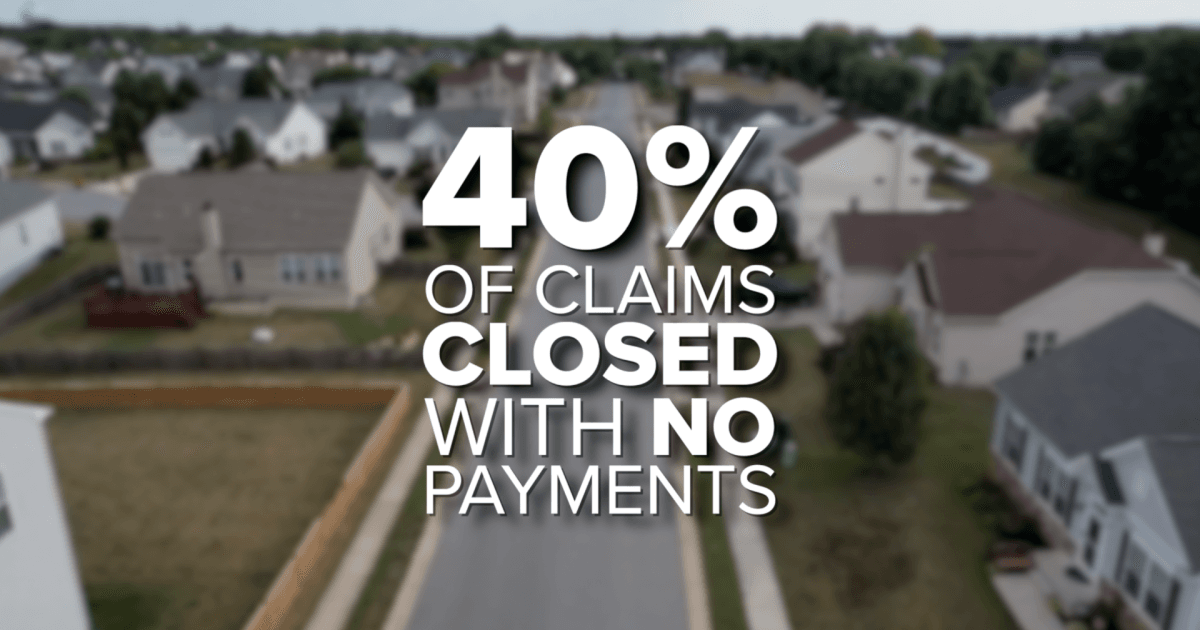
Florida homeowners are facing some of the highest insurance premiums in the nation, with average costs now topping $5,800 per year—about $3,000 above the U.S. average. Many residents report their rates have doubled or even tripled, while more than 40 percent of claims are closed with no payment. As frustration grows, state lawmakers and consumer advocates are pushing for transparency, rate caps, and incentives to help storm‑proof homes. The outcome of these reform efforts could reshape Florida’s real estate market, insurance landscape, and affordability for years to come.
A new global study from Risk.net and SAS reveals that many insurance companies are still making key decisions in isolated silos, despite industry-wide pushes toward data-driven strategies. While most leaders claim to have a clear vision, 38 percent admit they lack a real-time view of risks, revenue and costs. With poor data quality, limited collaboration and outdated processes holding teams back, experts say the industry is poised for a major transformation through AI, analytics and unified strategy—offering lessons for professionals across insurance, real estate, finance and other regulated fields.
Atlanta’s housing market is shifting into a more balanced and predictable phase. Prices have leveled off, inventory has finally caught up, and mortgage rates are easing enough to bring buyers back into the game. With steady demand, growing listings, and only mild price corrections forecasted into 2026, Atlanta remains one of the Southeast’s strongest real estate markets for buyers, sellers, and investors alike.