Commercial Real Estate: Signs of Recovery Amid Economic Challenges

In a world where commercial real estate has been grappling with unprecedented challenges, including high interest rates, rising inflation, and the transformative impact of remote work, there are now glimmers of hope on the horizon. According to a recent roundtable discussion with leading economists featured in Nareit, the sector is beginning to show signs of recovery.

The experts, including Mariya Letdin from Florida State University, Abby Rosenbaum from Oxford Economics, Eva Steiner from The Penn State Smeal College of Business, and Susan Wachter from The Wharton School, shared their insights into the evolving landscape of commercial real estate. They anticipate that declining interest rates and easing inflationary pressures will play a pivotal role in stabilizing asset values and renewing investor confidence.

Interest Rates and Inflation: A Turning Point?

One of the most significant factors influencing the commercial real estate market is the anticipated decline in interest rates and inflation. As Letdin points out, “It’s easier to make deals work with lower interest rates,” a sentiment echoed by Rosenbaum, who sees potential tailwinds for sectors like retail and industrial as borrowing becomes more accessible.

Sector-Specific Trends: A Mixed Bag

While retail emerges as a “star” and both industrial and multifamily sectors remain stable, the office sector continues to be the “problem child,” according to Letdin. The experts agree that the office market’s recovery will be slow, with older buildings facing increasing vacancies as leases expire.

Financing Conditions: Improving Yet Cautious

Financing conditions are showing signs of improvement, with interest rate caps designed to stimulate borrowing and investment. Steiner notes optimism among U.S. bank CEOs regarding increased borrowing demand, indicating a potential uptick in lending activity. However, the office sector remains a nonstarter for many lenders, with conservative loan-to-value ratios reflecting current economic realities.

Monitoring Economic Indicators: The Key to Future Trends

Economists are closely monitoring key indicators such as the 10-year bond yield and job market trends. Wachter emphasizes the importance of interest rates, while Letdin underscores the significance of employment, stating, “Jobs just drive so much of everything else.”

Supply and Demand Dynamics: Navigating Imbalances

The commercial real estate sector is grappling with supply and demand imbalances, particularly in the multifamily and industrial sectors. As Wachter highlights, while there is oversupply, both sectors are expected to see absorption and declines in vacancy rates. Meanwhile, the demand for well-located office spaces with attractive amenities remains strong.

In conclusion, the commercial real estate market is poised for a potential recovery, driven by favorable economic indicators and strategic sectoral shifts. The insights from industry experts provide a roadmap for navigating the challenges and opportunities that lie ahead in 2025 and beyond.


More Articles

Getting licensed or staying ahead in your career can be a journey—but it doesn’t have to be overwhelming. Grab your favorite coffee or tea, take a moment to relax, and browse through our articles. Whether you’re just starting out or renewing your expertise, we’ve got tips, insights, and advice to keep you moving forward. Here’s to your success—one sip and one step at a time!

Florida’s Home Insurance Market Shows Strong Signs of Recovery in 2026

Florida’s home insurance market is experiencing a wave of optimism as recent litigation reforms lead to fewer lawsuits, stronger insurer stability, and even rate reductions. With companies like Florida Peninsula lowering premiums and 17 new insurers entering the state, real estate, mortgage, and insurance professionals can expect smoother transactions, increased buyer confidence, and a more competitive market environment in the year ahead.

Mortgage Rates Slide to Multi‑Year Lows as 2026 Housing Momentum Accelerates

Mortgage rates have dipped to levels not seen since 2022, with the 30‑year fixed averaging just 6.361% and Freddie Mac reporting an even lower 6.06%. The drop is reshaping buyer affordability, sparking renewed market activity, and creating fresh opportunities for real estate professionals—especially in fast‑moving markets like Florida.

Is 2026 Finally the Breakthrough Year for Homebuyers?

The 2026 housing market is shaping up to be one of the most pivotal in years, with mortgage rates showing slight relief, affordability shifting toward the Midwest and South, and buyers turning to options like ARMs and new‑construction homes. Early signals point to new opportunities for buyers, investors, and real‑estate professionals—especially those ready to navigate a market defined by moderate rate drops, regional affordability gaps, and builder‑driven incentives.

Ares Commercial Real Estate Insider Shake‑Up Raises Questions for Industry Professionals

Ares Commercial Real Estate CEO Bryan Donohoe sold US$107k in shares this week, trimming his stake by 13% and adding to a pattern of insider selling with no insider purchases in the past 12 months. With insider ownership sitting at a modest 1.6%, the activity signals a cautious tone inside the company—something real estate, mortgage, and finance professionals may want to watch as they assess broader market confidence.

Florida’s 2026 Legislative Session Kicks Off With Major Moves for Real Estate, Insurance, and Business Professionals

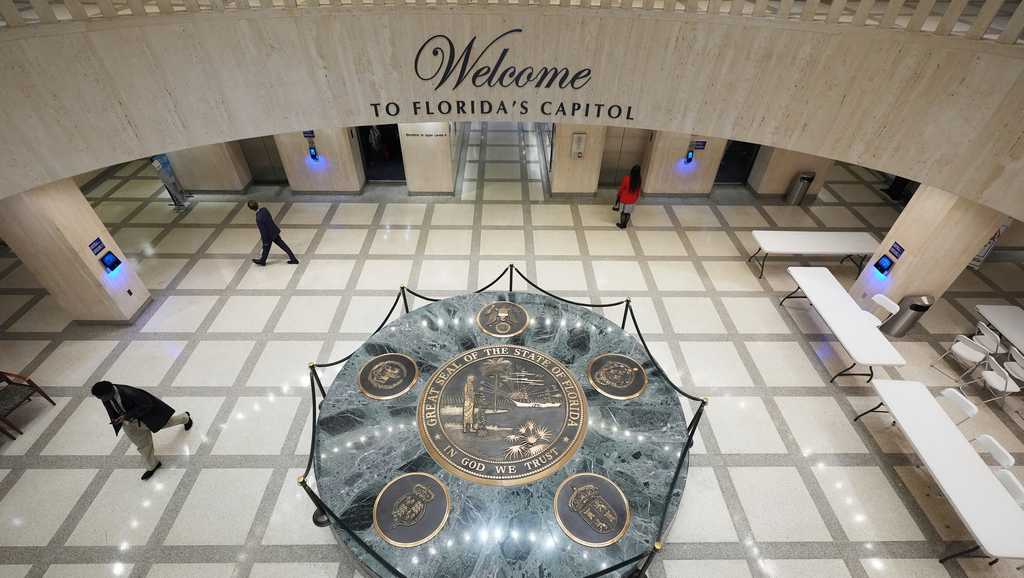
Florida’s 2026 legislative session is officially underway, launching a wave of high‑impact bills targeting property insurance reform, a proposal to eliminate property taxes, new education attendance requirements, and even an AI Bill of Rights. With over a hundred bills already filed, real estate agents, investors, insurers, educators, and other licensed professionals can expect significant regulatory shifts that may reshape Florida’s housing market, insurance costs, and professional compliance standards.

Warren Buffett’s 2026 Reminder: Conviction Beats Market Predictions

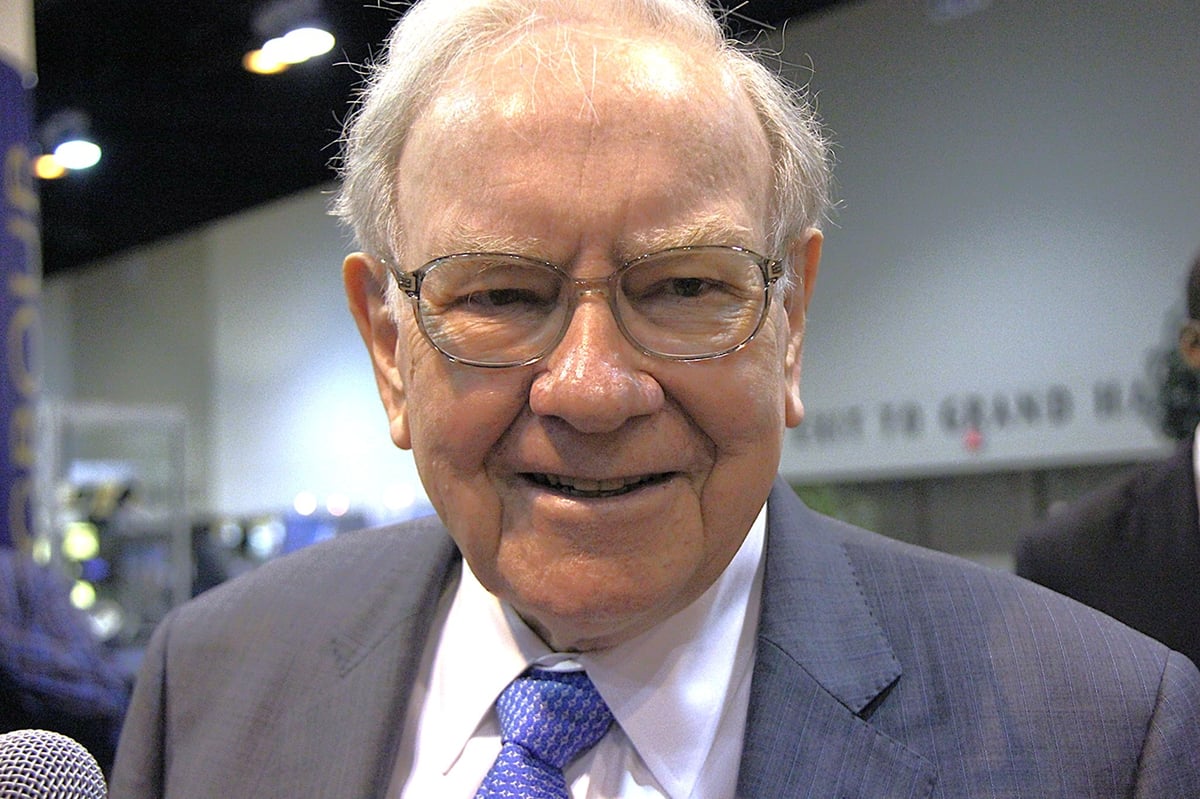
Warren Buffett’s timeless investing wisdom is more relevant than ever in 2026. Despite decades of market change, his core lesson remains the same: long‑term conviction outperforms short‑term prediction. From embracing occasional underperformance to avoiding emotional decisions, Buffett’s philosophy highlights why deep understanding and steady confidence are more valuable than trying to forecast market swings. This mindset isn’t just for investors—it’s a guiding principle for professionals looking to grow their careers with clarity and purpose.