Commercial Real Estate: Signs of Recovery Amid Economic Challenges

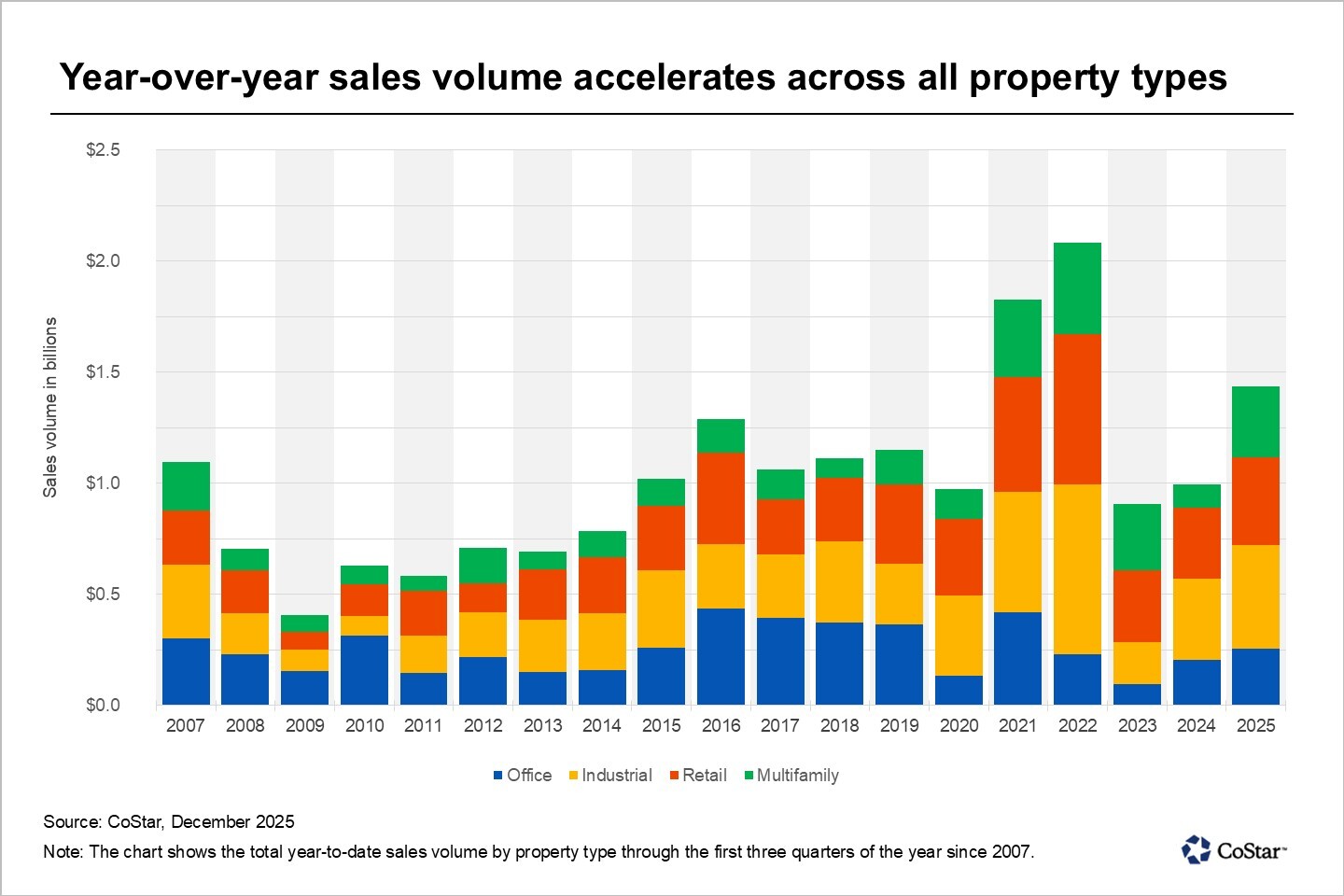
In a world where commercial real estate has been grappling with unprecedented challenges, including high interest rates, rising inflation, and the transformative impact of remote work, there are now glimmers of hope on the horizon. According to a recent roundtable discussion with leading economists featured in Nareit, the sector is beginning to show signs of recovery.

The experts, including Mariya Letdin from Florida State University, Abby Rosenbaum from Oxford Economics, Eva Steiner from The Penn State Smeal College of Business, and Susan Wachter from The Wharton School, shared their insights into the evolving landscape of commercial real estate. They anticipate that declining interest rates and easing inflationary pressures will play a pivotal role in stabilizing asset values and renewing investor confidence.

Interest Rates and Inflation: A Turning Point?

One of the most significant factors influencing the commercial real estate market is the anticipated decline in interest rates and inflation. As Letdin points out, “It’s easier to make deals work with lower interest rates,” a sentiment echoed by Rosenbaum, who sees potential tailwinds for sectors like retail and industrial as borrowing becomes more accessible.

Sector-Specific Trends: A Mixed Bag

While retail emerges as a “star” and both industrial and multifamily sectors remain stable, the office sector continues to be the “problem child,” according to Letdin. The experts agree that the office market’s recovery will be slow, with older buildings facing increasing vacancies as leases expire.

Financing Conditions: Improving Yet Cautious

Financing conditions are showing signs of improvement, with interest rate caps designed to stimulate borrowing and investment. Steiner notes optimism among U.S. bank CEOs regarding increased borrowing demand, indicating a potential uptick in lending activity. However, the office sector remains a nonstarter for many lenders, with conservative loan-to-value ratios reflecting current economic realities.

Monitoring Economic Indicators: The Key to Future Trends

Economists are closely monitoring key indicators such as the 10-year bond yield and job market trends. Wachter emphasizes the importance of interest rates, while Letdin underscores the significance of employment, stating, “Jobs just drive so much of everything else.”

Supply and Demand Dynamics: Navigating Imbalances

The commercial real estate sector is grappling with supply and demand imbalances, particularly in the multifamily and industrial sectors. As Wachter highlights, while there is oversupply, both sectors are expected to see absorption and declines in vacancy rates. Meanwhile, the demand for well-located office spaces with attractive amenities remains strong.

In conclusion, the commercial real estate market is poised for a potential recovery, driven by favorable economic indicators and strategic sectoral shifts. The insights from industry experts provide a roadmap for navigating the challenges and opportunities that lie ahead in 2025 and beyond.


More Articles

Getting licensed or staying ahead in your career can be a journey—but it doesn’t have to be overwhelming. Grab your favorite coffee or tea, take a moment to relax, and browse through our articles. Whether you’re just starting out or renewing your expertise, we’ve got tips, insights, and advice to keep you moving forward. Here’s to your success—one sip and one step at a time!

How AI Is Transforming Financial Advisors’ Daily Routines in 2026

In 2026, financial advisors are no longer just experimenting with AI — they’re relying on it. Once confined to back-office duties, AI now supports meeting prep, portfolio analysis, and even early-stage financial planning. Advisors say the tech is strengthening client relationships by freeing them from administrative overload, though entry-level roles like paraplanners may feel the squeeze as automation accelerates.

AI Is Outpacing the Mortgage Industry’s Cyber Defenses as Attacks Surge

Cybercriminals are weaponizing AI to launch highly convincing email scams and system breaches across the mortgage industry, overwhelming lenders and servicers whose cybersecurity measures can’t keep up. With major companies already hit and regulation lagging behind, experts warn the sector—now considered critical infrastructure—must rapidly upgrade protections, collaborate on threat intelligence, and improve AI governance before the risks escalate further.

Hidden Housing Costs May Become 2026’s Most Dangerous Budget Buster

Escrow payments are quietly surging across the country as property taxes and insurance premiums spike—pushing many homeowners toward delinquencies and even foreclosure. New data from Cotality shows the sharpest increases hitting the South and Midwest, with Florida among the hardest‑hit states. Even with fixed mortgage rates, rising escrow requirements are driving monthly payments higher and threatening affordability heading into 2026.

Milwaukee’s Commercial Real Estate Market Is Turning the Corner

Milwaukee entered 2025 with renewed momentum, posting its strongest commercial real estate sales volume in three years. After a period of uncertainty and high capital costs, investors are returning with a sharper focus on quality assets, realistic pricing, and reliable cash flow. Activity is increasing across industrial, office, multifamily, and retail sectors, signaling a broad-based recovery fueled by stabilizing interest rates and improved market confidence.

Title Insurance Leaders Lean Into Tech, Efficiency, and Resilience for 2026

As 2026 approaches, the title insurance industry is navigating a complex mix of market recovery, rising fraud threats, and sweeping regulatory changes. Industry leaders say the path forward centers on smarter technology, leaner operations, and stronger support for title agents. With AI-driven workflows, enhanced fraud prevention, and new compliance demands—including FinCEN’s expanded Geographic Targeting Orders—companies like Stewart and First American are reshaping how title work gets done. For real estate and mortgage professionals, the year ahead promises more automation, heightened standards, and major opportunities for those who stay ahead of the curve.

Technology and the Future of Real Estate: Innovation Reshaping 2025

The real estate industry is undergoing a major transformation in 2025 as advancements in AI, proptech, blockchain, and data intelligence redefine how properties are marketed, valued, financed, and experienced. From instant digital valuations and immersive virtual tours to tokenized investments and predictive analytics, technology is reshaping every stage of the real estate lifecycle. Professionals who embrace these innovations—while maintaining the human expertise clients still rely on—will lead the next era of the industry.