Commercial Real Estate: Signs of Recovery Amid Economic Challenges

In a world where commercial real estate has been grappling with unprecedented challenges, including high interest rates, rising inflation, and the transformative impact of remote work, there are now glimmers of hope on the horizon. According to a recent roundtable discussion with leading economists featured in Nareit, the sector is beginning to show signs of recovery.

The experts, including Mariya Letdin from Florida State University, Abby Rosenbaum from Oxford Economics, Eva Steiner from The Penn State Smeal College of Business, and Susan Wachter from The Wharton School, shared their insights into the evolving landscape of commercial real estate. They anticipate that declining interest rates and easing inflationary pressures will play a pivotal role in stabilizing asset values and renewing investor confidence.

Interest Rates and Inflation: A Turning Point?

One of the most significant factors influencing the commercial real estate market is the anticipated decline in interest rates and inflation. As Letdin points out, “It’s easier to make deals work with lower interest rates,” a sentiment echoed by Rosenbaum, who sees potential tailwinds for sectors like retail and industrial as borrowing becomes more accessible.

Sector-Specific Trends: A Mixed Bag

While retail emerges as a “star” and both industrial and multifamily sectors remain stable, the office sector continues to be the “problem child,” according to Letdin. The experts agree that the office market’s recovery will be slow, with older buildings facing increasing vacancies as leases expire.

Financing Conditions: Improving Yet Cautious

Financing conditions are showing signs of improvement, with interest rate caps designed to stimulate borrowing and investment. Steiner notes optimism among U.S. bank CEOs regarding increased borrowing demand, indicating a potential uptick in lending activity. However, the office sector remains a nonstarter for many lenders, with conservative loan-to-value ratios reflecting current economic realities.

Monitoring Economic Indicators: The Key to Future Trends

Economists are closely monitoring key indicators such as the 10-year bond yield and job market trends. Wachter emphasizes the importance of interest rates, while Letdin underscores the significance of employment, stating, “Jobs just drive so much of everything else.”

Supply and Demand Dynamics: Navigating Imbalances

The commercial real estate sector is grappling with supply and demand imbalances, particularly in the multifamily and industrial sectors. As Wachter highlights, while there is oversupply, both sectors are expected to see absorption and declines in vacancy rates. Meanwhile, the demand for well-located office spaces with attractive amenities remains strong.

In conclusion, the commercial real estate market is poised for a potential recovery, driven by favorable economic indicators and strategic sectoral shifts. The insights from industry experts provide a roadmap for navigating the challenges and opportunities that lie ahead in 2025 and beyond.


More Articles

Getting licensed or staying ahead in your career can be a journey—but it doesn’t have to be overwhelming. Grab your favorite coffee or tea, take a moment to relax, and browse through our articles. Whether you’re just starting out or renewing your expertise, we’ve got tips, insights, and advice to keep you moving forward. Here’s to your success—one sip and one step at a time!

NAR’s New MLS Policy Changes Spark Immediate Legal Pushback in Michigan

Just 48 hours after NAR unveiled major revisions to its MLS policies, plaintiffs in the Michigan-based Hardy lawsuit moved to use those changes as evidence, arguing they prove NAR’s prior rules were anticompetitive. NAR denies any wrongdoing, but the case is quickly becoming a key test for whether MLS access should require Realtor membership — a question now echoing across multiple states and potentially reshaping how real estate professionals nationwide access the industry’s most essential tool.

Florida Homeowners Grapple With Soaring Insurance Costs as Lawmakers Push for Reform

Florida homeowners are now paying some of the highest insurance premiums in the country, with average costs topping $5,800 per year—nearly double the national average. Residents report skyrocketing rates, denied claims, and tough choices between costly coverage and financial risk. As frustration grows, lawmakers and consumer advocates are pushing new reforms aimed at increasing transparency, capping rate hikes, and protecting policyholders in one of the nation’s most volatile insurance markets.

Top 2026 Commercial Real Estate Issues Every Pro Should Be Watching

Economic uncertainty, rapid AI adoption, tighter capital flows, and rising portfolio risk are reshaping the 2026 commercial real estate landscape. From shifting workforce patterns to a national housing attainability crisis, the industry is entering a data‑driven, fundamentals‑focused era—making adaptability, education, and tech literacy essential for real estate professionals.

Mortgage Rates Rise as Markets Lose Faith in a December Fed Cut

Mortgage rates have climbed to 6.23 percent as investors grow doubtful that the Federal Reserve will deliver a rate cut in December. A soft but unclear jobs report and persistent inflation have pushed borrowing costs higher, reversing October’s brief relief in the housing market. Real estate and mortgage professionals should prepare clients for continued volatility as the Fed’s December meeting approaches.

Housing Market Poised for a Major 2026 Comeback: What Florida Pros Need to Know

After years of tight inventory, high mortgage rates, and sluggish sales, economists say 2026 is shaping up to be the turnaround real estate professionals have been waiting for. NAR projects a 14 percent jump in home sales, mortgage rates easing toward 6 percent, and buyer demand finally gaining momentum. While higher‑end homes are moving quickly, first‑time buyers continue to face affordability challenges, and price reductions are reappearing as sellers adjust to shifting conditions. For Florida agents, brokers, and newcomers, the stage is being set for a busy and opportunity‑rich year.

Florida Homeowners Hit With Record Insurance Costs as Lawmakers and Residents Demand Reform

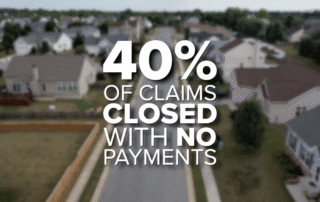
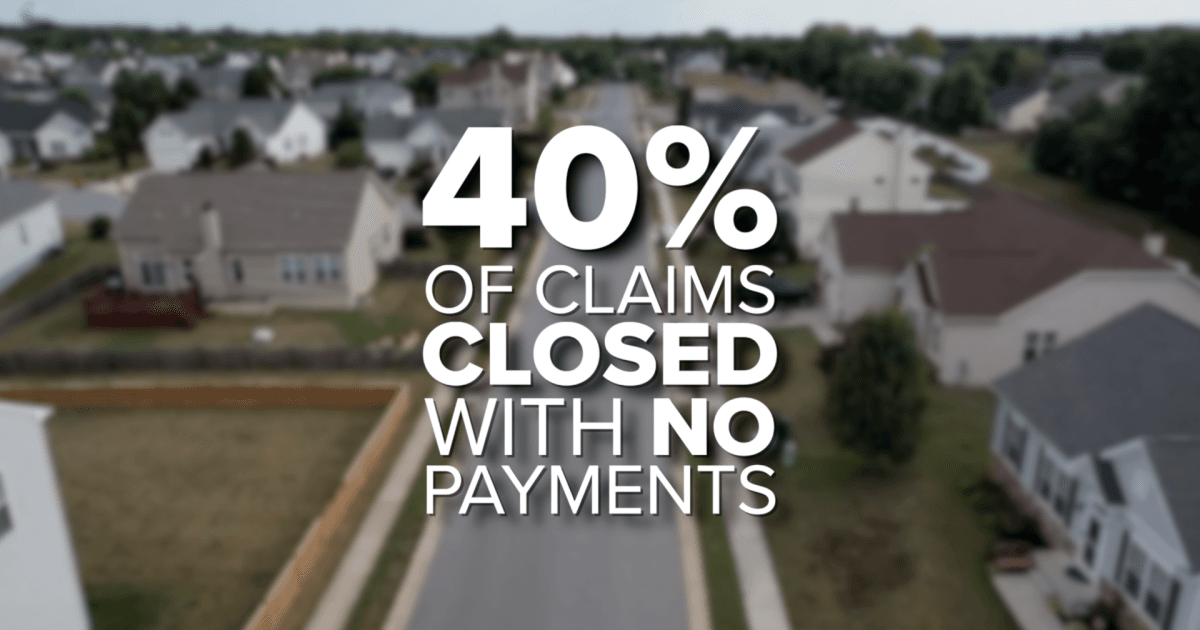
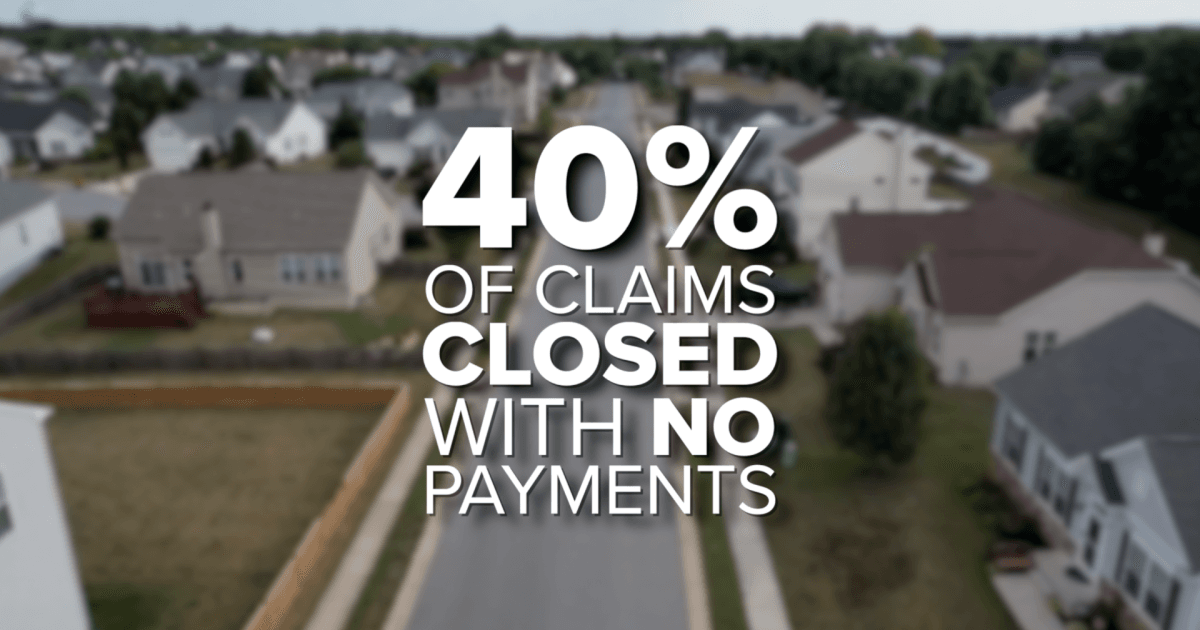
Florida’s average homeowner insurance premium has soared to $5,838 a year—almost $3,000 above the national average—pushing many residents to the financial brink. From tripled premiums to lowball claim payouts, homeowners are speaking out as frustration mounts. Some are even dropping coverage entirely. With more than 40% of claims closed without payment and policy cancellations at record levels, lawmakers are pushing for reforms, but political hurdles remain. The outcome could reshape Florida real estate, insurance, and mortgage markets for years to come.