Commercial Real Estate Cools Again in November as Investors Shift Toward Bigger, Safer Assets

Commercial real estate trends

The commercial real estate market continued to lose steam in November, marking the second straight month of slowed deal-making across the industry. According to exclusive monthly data provided to CNBC’s Property Play by Moody’s, total transaction volume fell 10% compared to November 2024, with only 1,800 deals tracked across multifamily, office, industrial, retail, and hotel properties.

Even more striking, November activity underperformed not only last year but also November 2020—the height of the pandemic’s disruption. The downturn reflects a blend of pressures: higher-for-longer interest rates, policy uncertainty, and a cooling labor market. Yet Moody’s stresses that liquidity isn’t gone; it’s simply more selective, operating at about two-thirds of pre-pandemic levels and concentrated toward large-scale, stable assets.

Bigger Deals Are Dominating the Market

A clear trend is emerging: investors are increasingly prioritizing high-value, high-quality properties. While most deal sizes slipped in November, transactions over $100 million surged 51% year over year. That spike pushed the average deal size to $14.2 million—far above the $12 million average since 2019. Class A assets, unsurprisingly, accounted for most of these top-tier transactions.

“The trading this month is consistent with late-cycle barbelling,” explained Kevin Fagan, head of CRE capital market research at Moody’s. “There is a focus on durable trends, like demand for housing, logistics, and digital infrastructure.”

Sector Breakdown: Multifamily Leads, Office Repositions

Multifamily once again led the market with 20 major transactions in November. Office followed with 11 deals, while industrial logged eight.

The office sector—often characterized as unstable post-pandemic—is showing signs of recalibration. Fagan notes an “overall loosening,” with pricing discovery improving as assets find more realistic valuations. Many large sales now fall into four categories: mission-critical facilities, specialty-use properties, conversion targets, or deep-discount acquisitions.

Examples include a striking 53% discount sale at 114 West 41st St. in New York City and major corporate purchases by Novartis, First Citizens, and Alo Yoga.

Medical Office Continues Its Momentum

Although excluded from Moody’s core statistics, medical office transactions continue to outperform due to resilient national demand. November’s largest single deal came from this booming sector: Welltower’s $7.2 billion sale of a 296-property portfolio across 34 states to Remedy Medical Properties and Kayne Anderson Real Estate. The acquisition positions the partnership as the largest owner of outpatient medical buildings nationwide.

Portfolio Deals and Data Centers Surge

November also saw a notable rise in large, multi-property portfolio transactions—17 of the top 50 deals fell into this category, continuing a powerful post-pandemic trend.

Data centers, one of today’s most sought-after asset classes, had another standout month. The second-largest sale involved SDC Capital Partners acquiring 97 acres in Leesburg, Virginia, for $615 million—land fully zoned for future data center development.

Why This Matters for Current and Aspiring Professionals

For professionals in commercial or residential real estate, this shifting environment demands stronger skills, sharper insights, and a solid understanding of investor behavior. Whether you plan to enter commercial brokerage, diversify into investment advisory, or expand your portfolio, up-to-date education is crucial.

If you’re ready to advance your professional foundation, Cameron Academy offers flexible, industry-leading programs for real estate experts across Florida and beyond.

Explore the Original Reporting

This article draws from reporting by CNBC’s Property Play newsletter with Diana Olick, which delivers deep insights into evolving opportunities for real estate investors and industry professionals.

Read the full CNBC article here

Sign up for the Property Play newsletter

More Articles

Getting licensed or staying ahead in your career can be a journey—but it doesn’t have to be overwhelming. Grab your favorite coffee or tea, take a moment to relax, and browse through our articles. Whether you’re just starting out or renewing your expertise, we’ve got tips, insights, and advice to keep you moving forward. Here’s to your success—one sip and one step at a time!

A New Blueprint for True Florida Affordability: Jayden D’Onofrio Pushes for Real Relief in 2026

Florida families are feeling the squeeze as everyday costs, insurance premiums, and homeownership barriers continue to climb. House District 102 candidate Jayden D’Onofrio is calling for a broader, more unified affordability strategy—one that tackles the state’s insurance crisis, supports first‑time homebuyers, and restores real competition in the market. His message centers on transparency, practical solutions, and keeping Florida livable for the professionals, workers, and families who power its economy.

Health Insurance Shake‑Up: America’s Coverage Markets Enter a New Era

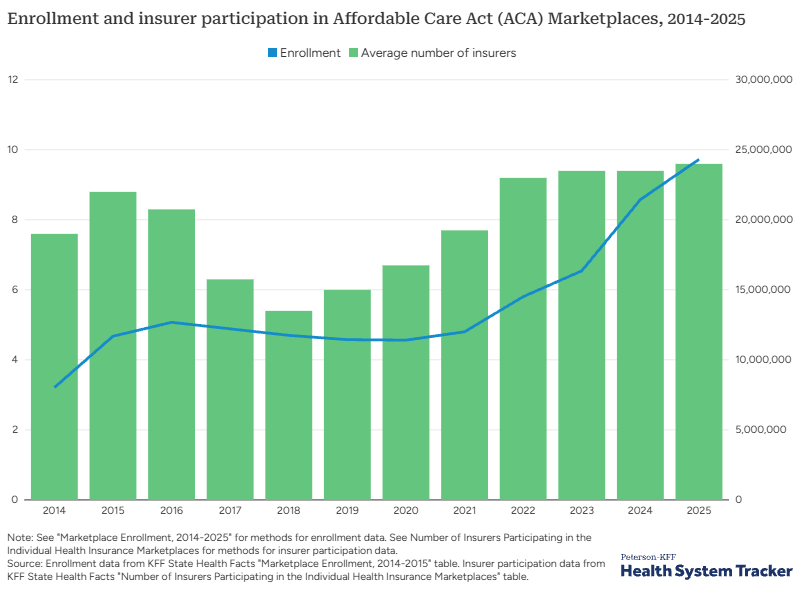
A decade of dramatic change is reshaping America’s health insurance markets. Employer group plans are becoming increasingly dominated by a few powerful insurers, while the ACA individual marketplace is experiencing record‑breaking competition and enrollment. Self‑funded plans are surging, small‑group premiums are driving employers to new coverage models, and major policy shifts in 2025 could redefine affordability for millions. This data‑driven Peterson‑KFF analysis breaks down the trends every insurance, finance, and business professional needs to understand as the industry enters a transformative new era.

Florida’s Next Mega‑Development: Winchester Ranch Set to Transform North Port

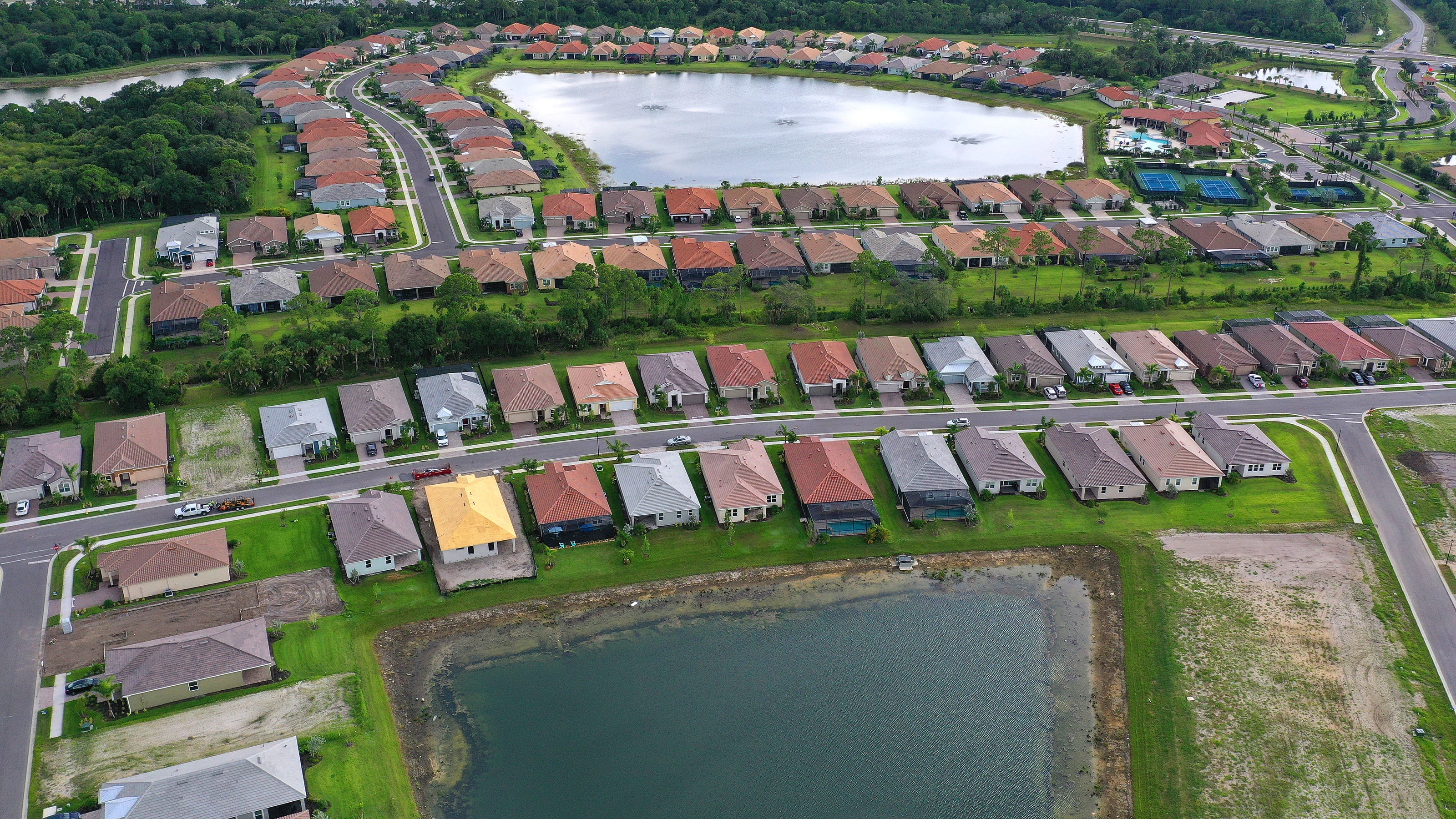
Sarasota County is inching closer to approving Winchester Ranch, a massive 8,999‑home community planned for more than 3,100 acres in North Port. With a 7‑1 vote from the Planning Commission and a final decision expected in early 2026, the project could become one of Southwest Florida’s largest developments in decades—bringing new housing, commercial space, and industry while raising fresh questions about growth, the environment, and the region’s rapidly evolving real estate market.

Lument Finance Trust Closes $664 Million CRE CLO, Signaling Strength in 2025 Markets

Lument Finance Trust has closed a major $663.8 million commercial real estate CLO, marking one of the standout CRE finance deals of 2025. The transaction, LMNT 2025-FL3, features a strong reinvestment period, non‑recourse and non‑mark‑to‑market financing, and a diversified pool of 32 loans tied to 49 properties nationwide. With J.P. Morgan leading the structuring and more than $585 million placed in investment‑grade securities, the deal highlights renewed stability in transitional CRE debt—making it a development real estate and finance professionals will want to watch closely.

Walmart Launches America’s Largest 3D‑Printed Commercial Building Initiative

Walmart has partnered with Alquist 3D to roll out the nation’s first large‑scale wave of 3D‑printed commercial buildings, signaling a major shift in how future retail and industrial spaces will be constructed. After completing an 8,000‑square‑foot 3D‑printed expansion in Tennessee—the largest of its kind—the company is moving forward with over a dozen new projects nationwide, accelerating a tech‑driven transformation in commercial real estate.

Citizens Insurance Proposes 2026 Rate Cuts, Signaling Relief for Florida’s Property Market

Citizens Property Insurance Corp. is recommending statewide rate reductions for 2026—the first proposed decrease in more than a decade. Most Citizens policyholders could see an average 11.5% drop, reflecting recent insurance‑market reforms that have stabilized Florida’s turbulent property sector. With hundreds of thousands of policies moving back to private insurers and state‑backed Citizens shrinking to record‑low enrollment, real estate and insurance professionals should prepare for how lower premiums may influence affordability, buyer confidence, and market activity heading into 2026.