Commercial Real Estate’s Transformative Five-Year Journey

As we delve into the commercial real estate forecast for the next five years, it becomes clear that the industry is on the brink of significant transformation. This shift is driven by a confluence of factors, including technological innovations, evolving consumer preferences, and economic dynamics.

Remote Work and Office Spaces

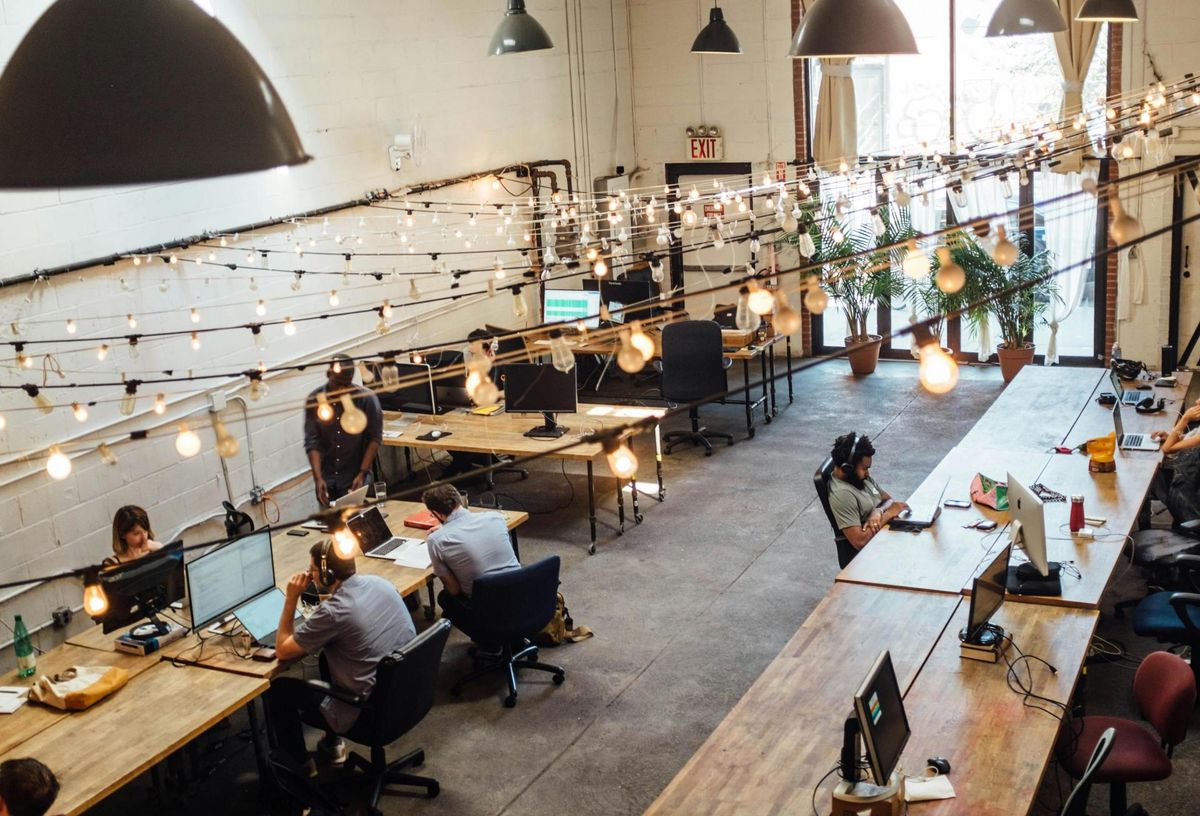
The traditional office space landscape is undergoing a seismic shift. As remote work and hybrid models become entrenched, many companies are reducing their office footprints. According to the JPMorgan Chase report, office properties in prime locations may outperform, but overall demand is expected to remain subdued. This trend is further emphasized by the Deloitte’s outlook, highlighting the non-uniform recovery across property types.

  • Reduction in Footprint: Companies are embracing flexible work arrangements, impacting long-term leases and new office construction.
  • Repurposing Spaces: Excess office spaces are being transformed into residential units or mixed-use developments.
Retail Real Estate Adaptations

Retail spaces are reinventing themselves to keep pace with e-commerce growth. The focus is shifting towards creating immersive experiences to attract customers, integrating entertainment and dining options, and adopting omnichannel strategies.

  • Experience Over Transactions: Retail is pivoting to offer immersive experiences over mere transactions.
  • Omnichannel Strategies: Retailers blend online and offline experiences to cater to consumer preferences.
Industrial Growth Continues

The demand for industrial real estate, particularly warehouses and distribution centers, is soaring as e-commerce continues its upward trajectory. Companies are expanding logistics hubs to meet same-day delivery expectations, investing in automation and advanced warehousing technologies.

  • Expanding Logistics Hubs: The rise of e-commerce drives the need for well-located industrial properties.
  • Investment in Automation: Automation investments streamline operations and enhance efficiency.

US Market Insights

The United States is set to remain a global leader in commercial real estate, with the market projected to be valued at approximately $25.28 trillion by 2024, according to Statista. The anticipated compound annual growth rate (CAGR) through 2029 is 2.18%.

Sustainability and PropTech

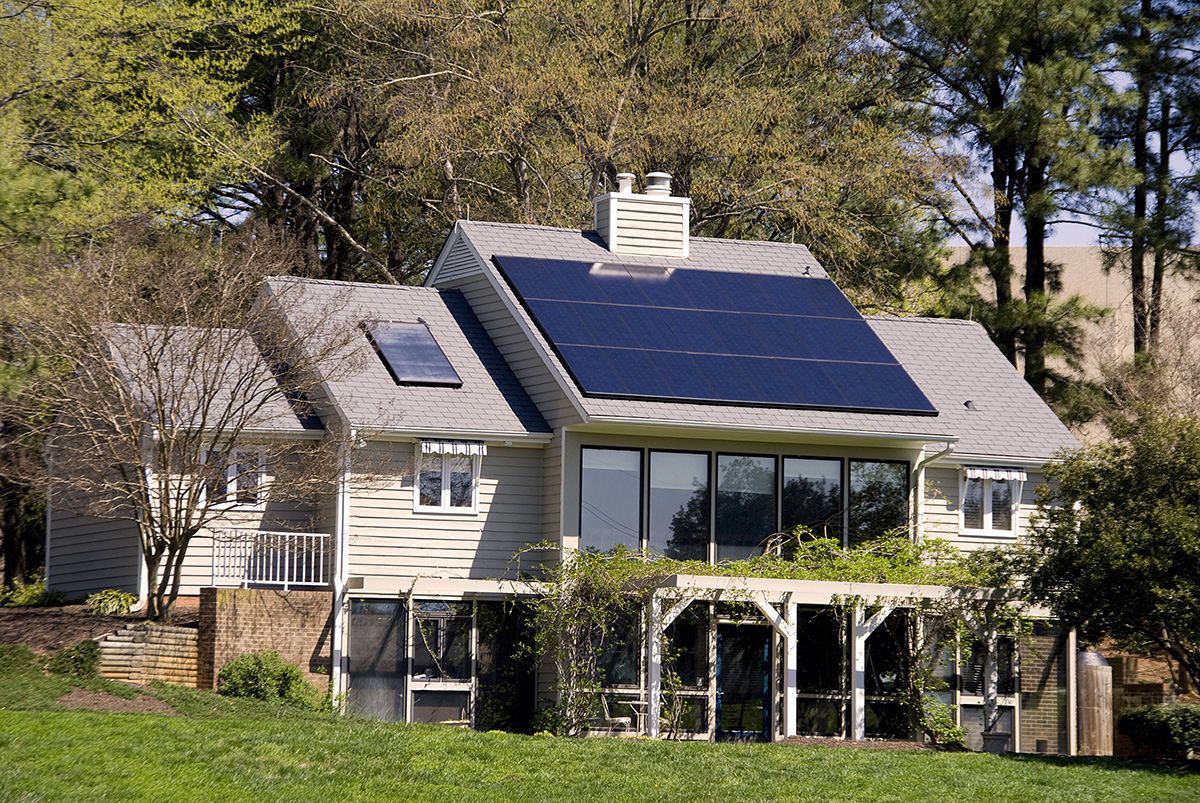
Sustainability is no longer a trend—it’s an expectation. Investors are gravitating towards properties that meet environmental standards, with a surge in green building certifications. The integration of PropTech solutions is streamlining operations, enhancing energy efficiency, and promoting smart building initiatives.

  • Green Building Certifications: Certifications like LEED and BREEAM are becoming standard for new developments.
  • Energy Efficiency: Implementing energy-efficient systems and sustainable materials appeals to environmentally conscious tenants.

Conclusion

The next five years in commercial real estate are poised for considerable change, influenced by dynamic economic, technological, and social factors. Stakeholders need agility and forward-thinking strategies to harness opportunities and navigate challenges in this ever-evolving landscape. By aligning with sustainability, leveraging technology, and adapting to market conditions, investors and businesses can thrive in the upcoming period.

More Articles

Getting licensed or staying ahead in your career can be a journey—but it doesn’t have to be overwhelming. Grab your favorite coffee or tea, take a moment to relax, and browse through our articles. Whether you’re just starting out or renewing your expertise, we’ve got tips, insights, and advice to keep you moving forward. Here’s to your success—one sip and one step at a time!

Free Money in 2026? The Truth About the DOGE Dividend Stimulus Check

The DOGE Dividend: What You Need to Know About the Proposed 2026 Stimulus Check Hey there! If you’ve been wondering #ReadMore

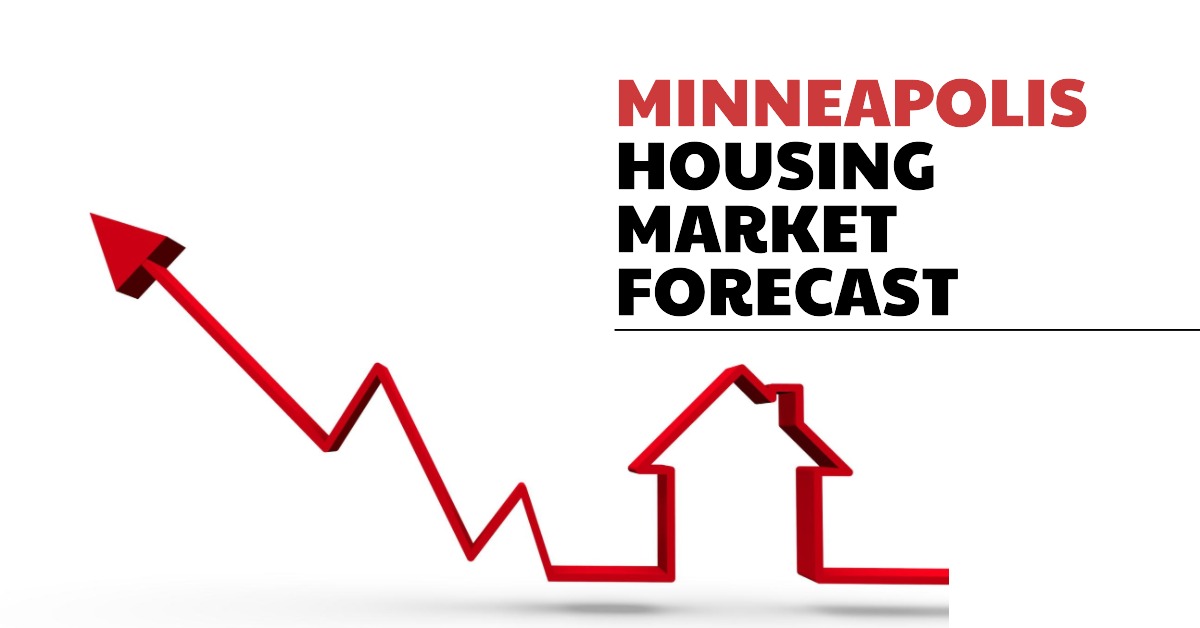
Navigating Seller’s Market: Twin Cities Housing Trends and Predictions for 2024

The Minneapolis housing market is currently navigating a complex terrain, marked by a curious blend of optimism and caution. In 2024, home sales in the Twin Cities area experienced a modest uptick of 1.8%.

Future Homes: Sustainability and Smart Technology Shaping Real Estate

In the ever-evolving landscape of real estate, two groundbreaking trends are shaping the homes of tomorrow: sustainability and smart home technology. As consumers become increasingly aware of their environmental impact and as technology continues to advance at lightning speed, these trends are significantly influencing buying decisions in the residential real estate market.

By |February 25, 2025|Categories: Article, Real Estate, Technology|Tags: , |0 Comments

Harvard Study Projects Dramatic Slowdown in U.S. Household Growth

In a comprehensive analysis by Harvard's Joint Center for Housing Studies, there is a projected increase of 8.6 million households in the United States from 2025 to 2035. This equates to approximately 860,000 new households per year, marking a significant deceleration compared to the post-Great Recession era, which saw a sluggish yet larger gain of 10.1 million households.

By |February 24, 2025|Categories: Article, Demographics, Housing|Tags: , |0 Comments

AI Revolutionizing Real Estate: Predicting Trends and Values

The real estate industry, often seen as conservative, is gradually embracing technological advancements with AI leading the charge. Generative AI is already revolutionizing real estate marketing by enhancing customer experiences and optimizing content creation.

By |February 24, 2025|Categories: Article, Real Estate, Technology/AI|Tags: , |0 Comments

In-Person Work Policies: A Beacon of Hope for Commercial Real Estate

With office occupancy plummeting by 90% from February to March 2020, the impact of remote work was palpable. However, the researchers found that hybrid mandates and adding more in-office days could mitigate some of these challenges.