Commercial Real Estate’s Transformative Five-Year Journey

As we delve into the commercial real estate forecast for the next five years, it becomes clear that the industry is on the brink of significant transformation. This shift is driven by a confluence of factors, including technological innovations, evolving consumer preferences, and economic dynamics.

Remote Work and Office Spaces

The traditional office space landscape is undergoing a seismic shift. As remote work and hybrid models become entrenched, many companies are reducing their office footprints. According to the JPMorgan Chase report, office properties in prime locations may outperform, but overall demand is expected to remain subdued. This trend is further emphasized by the Deloitte’s outlook, highlighting the non-uniform recovery across property types.

  • Reduction in Footprint: Companies are embracing flexible work arrangements, impacting long-term leases and new office construction.
  • Repurposing Spaces: Excess office spaces are being transformed into residential units or mixed-use developments.
Retail Real Estate Adaptations

Retail spaces are reinventing themselves to keep pace with e-commerce growth. The focus is shifting towards creating immersive experiences to attract customers, integrating entertainment and dining options, and adopting omnichannel strategies.

  • Experience Over Transactions: Retail is pivoting to offer immersive experiences over mere transactions.
  • Omnichannel Strategies: Retailers blend online and offline experiences to cater to consumer preferences.
Industrial Growth Continues

The demand for industrial real estate, particularly warehouses and distribution centers, is soaring as e-commerce continues its upward trajectory. Companies are expanding logistics hubs to meet same-day delivery expectations, investing in automation and advanced warehousing technologies.

  • Expanding Logistics Hubs: The rise of e-commerce drives the need for well-located industrial properties.
  • Investment in Automation: Automation investments streamline operations and enhance efficiency.

US Market Insights

The United States is set to remain a global leader in commercial real estate, with the market projected to be valued at approximately $25.28 trillion by 2024, according to Statista. The anticipated compound annual growth rate (CAGR) through 2029 is 2.18%.

Sustainability and PropTech

Sustainability is no longer a trend—it’s an expectation. Investors are gravitating towards properties that meet environmental standards, with a surge in green building certifications. The integration of PropTech solutions is streamlining operations, enhancing energy efficiency, and promoting smart building initiatives.

  • Green Building Certifications: Certifications like LEED and BREEAM are becoming standard for new developments.
  • Energy Efficiency: Implementing energy-efficient systems and sustainable materials appeals to environmentally conscious tenants.

Conclusion

The next five years in commercial real estate are poised for considerable change, influenced by dynamic economic, technological, and social factors. Stakeholders need agility and forward-thinking strategies to harness opportunities and navigate challenges in this ever-evolving landscape. By aligning with sustainability, leveraging technology, and adapting to market conditions, investors and businesses can thrive in the upcoming period.


More Articles

Getting licensed or staying ahead in your career can be a journey—but it doesn’t have to be overwhelming. Grab your favorite coffee or tea, take a moment to relax, and browse through our articles. Whether you’re just starting out or renewing your expertise, we’ve got tips, insights, and advice to keep you moving forward. Here’s to your success—one sip and one step at a time!

South Florida Housing Market Gains Momentum for 2026 as Mortgage Rates Decline

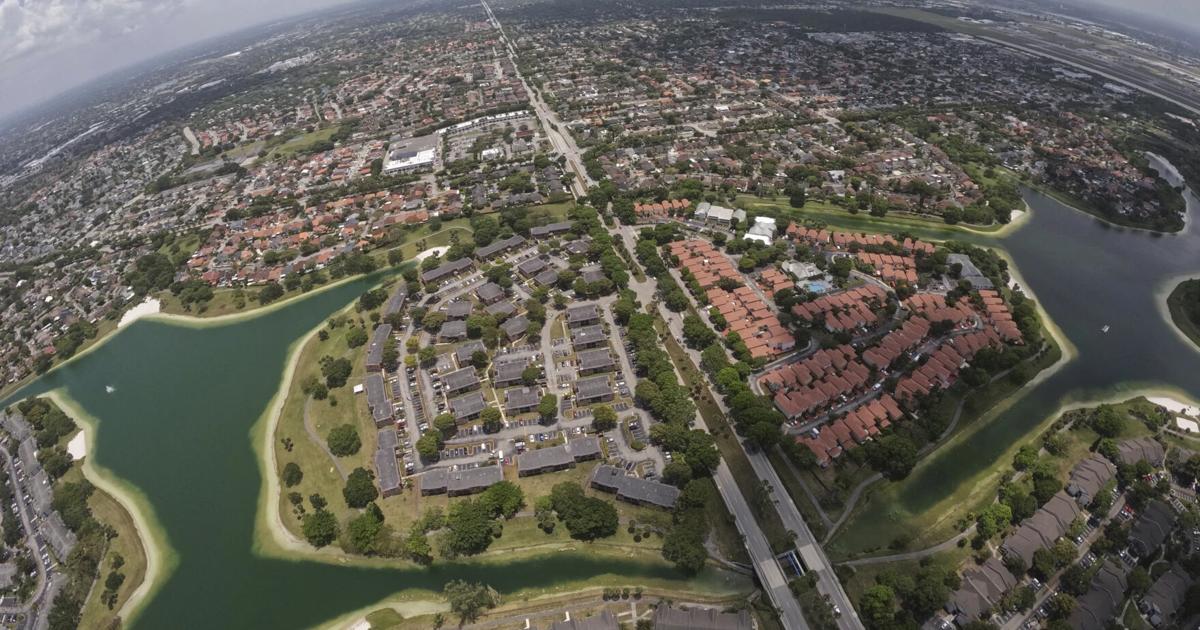
Lower interest rates, improving buyer confidence, and a resilient job market are setting the stage for a stronger South Florida real estate landscape in 2026. After a steadier‑than‑expected 2025, single‑family homes remain competitive, condos are stabilizing despite regulatory pressures, and commercial real estate continues to outperform national trends — giving industry professionals plenty to watch in the year ahead.

2026 Housing Market Outlook: Are We Finally Heading Toward Stability?

Economists across the housing industry are signaling that 2026 may finally bring a true market rebalance. With mortgage rates expected to ease, inventory slowly expanding and affordability showing its first real improvement in years, home sales could climb by 14% nationwide. Prices are projected to rise only modestly, builders are ramping up cautiously and shifting demographics are reshaping who’s buying—and what they’re looking for. For real estate and finance professionals, this more active and balanced landscape sets the stage for a strong year of opportunity.

Lower Interest Rates Spark New Optimism in South Florida’s 2026 Real Estate Market

South Florida enters 2026 with renewed confidence as easing mortgage rates, a solid job market, and stabilizing housing trends breathe life back into both single‑family and condo sectors. After an uneven 2025 marked by high costs and condo‑related challenges, lower borrowing rates are drawing buyers back, encouraging more homeowners to list, and positioning the region for a more balanced — though still competitive — year ahead.

Six Real Estate Trends Reshaping the U.S. Market in 2026

The U.S. real estate landscape is entering a defining year, driven by AI innovation, reimagined office spaces, immersive retail, and resilient industrial growth. Investors are becoming more selective, while ESG expectations are solidifying into essential standards for value and tenant demand. For professionals looking to stay competitive in 2026, understanding these shifts—and upskilling accordingly—will be key to navigating an industry rapidly transforming in real time.

Conforming Mortgage Credit Availability Plunges to Record Low as Lenders Tighten Standards

Conforming mortgage credit has dropped to its lowest level since the MBA began tracking it in 2011, signaling a major tightening in loan options as 2026 begins. December’s Mortgage Credit Availability Index fell 2.6%, driven by shrinking ARM offerings, fewer cash‑out refi programs, and stricter documentation requirements. With conforming loans seeing the sharpest decline—down 3.8%—both buyers and mortgage professionals face a more challenging lending landscape that demands stronger financial profiles and up‑to‑date industry knowledge.

Creative Strategies Are Finally Helping First-Time Buyers Break Into the 2026 Housing Market

A new NAR outlook shows that first-time buyers may finally be gaining traction in 2026 as rising inventory, easing rates, and creative financing strategies open long-awaited pathways into homeownership. From ARMs and government-backed loans to family support, grants, and co-buying, younger buyers are finding new ways to “make the math work.” Builders are also stepping in with incentives and expanded townhome construction, signaling a slow but meaningful shift toward improved affordability.