Commercial Real Estate’s Transformative Five-Year Journey

As we delve into the commercial real estate forecast for the next five years, it becomes clear that the industry is on the brink of significant transformation. This shift is driven by a confluence of factors, including technological innovations, evolving consumer preferences, and economic dynamics.

Remote Work and Office Spaces

The traditional office space landscape is undergoing a seismic shift. As remote work and hybrid models become entrenched, many companies are reducing their office footprints. According to the JPMorgan Chase report, office properties in prime locations may outperform, but overall demand is expected to remain subdued. This trend is further emphasized by the Deloitte’s outlook, highlighting the non-uniform recovery across property types.

  • Reduction in Footprint: Companies are embracing flexible work arrangements, impacting long-term leases and new office construction.
  • Repurposing Spaces: Excess office spaces are being transformed into residential units or mixed-use developments.
Retail Real Estate Adaptations

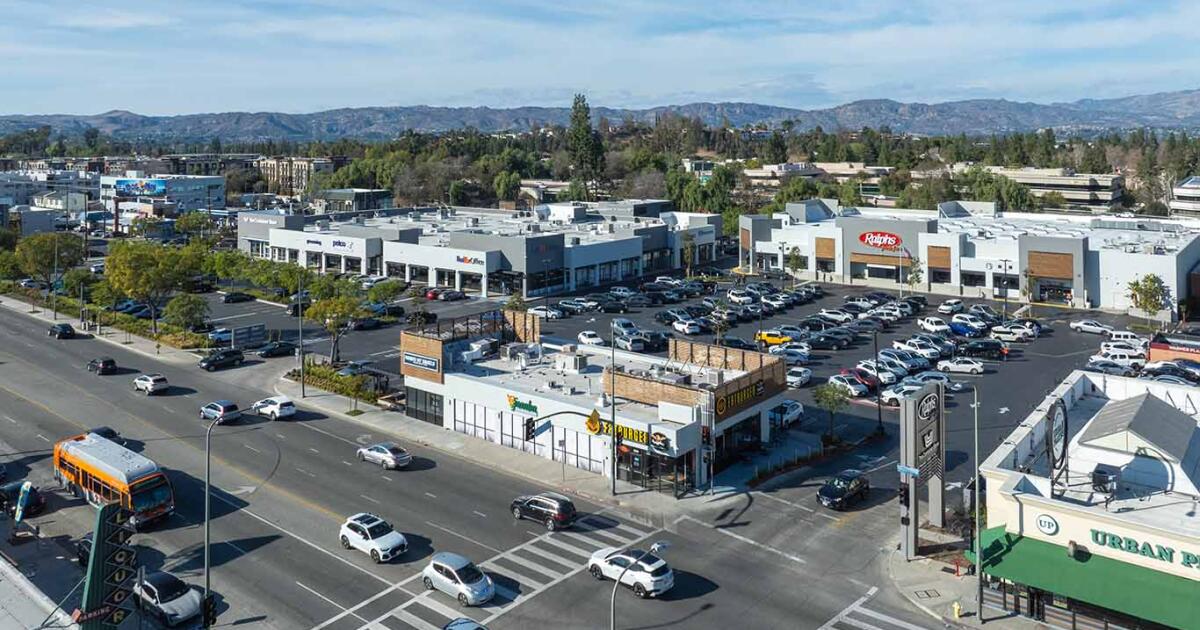
Retail spaces are reinventing themselves to keep pace with e-commerce growth. The focus is shifting towards creating immersive experiences to attract customers, integrating entertainment and dining options, and adopting omnichannel strategies.

  • Experience Over Transactions: Retail is pivoting to offer immersive experiences over mere transactions.
  • Omnichannel Strategies: Retailers blend online and offline experiences to cater to consumer preferences.
Industrial Growth Continues

The demand for industrial real estate, particularly warehouses and distribution centers, is soaring as e-commerce continues its upward trajectory. Companies are expanding logistics hubs to meet same-day delivery expectations, investing in automation and advanced warehousing technologies.

  • Expanding Logistics Hubs: The rise of e-commerce drives the need for well-located industrial properties.
  • Investment in Automation: Automation investments streamline operations and enhance efficiency.

US Market Insights

The United States is set to remain a global leader in commercial real estate, with the market projected to be valued at approximately $25.28 trillion by 2024, according to Statista. The anticipated compound annual growth rate (CAGR) through 2029 is 2.18%.

Sustainability and PropTech

Sustainability is no longer a trend—it’s an expectation. Investors are gravitating towards properties that meet environmental standards, with a surge in green building certifications. The integration of PropTech solutions is streamlining operations, enhancing energy efficiency, and promoting smart building initiatives.

  • Green Building Certifications: Certifications like LEED and BREEAM are becoming standard for new developments.
  • Energy Efficiency: Implementing energy-efficient systems and sustainable materials appeals to environmentally conscious tenants.

Conclusion

The next five years in commercial real estate are poised for considerable change, influenced by dynamic economic, technological, and social factors. Stakeholders need agility and forward-thinking strategies to harness opportunities and navigate challenges in this ever-evolving landscape. By aligning with sustainability, leveraging technology, and adapting to market conditions, investors and businesses can thrive in the upcoming period.


More Articles

Getting licensed or staying ahead in your career can be a journey—but it doesn’t have to be overwhelming. Grab your favorite coffee or tea, take a moment to relax, and browse through our articles. Whether you’re just starting out or renewing your expertise, we’ve got tips, insights, and advice to keep you moving forward. Here’s to your success—one sip and one step at a time!

Florida’s Political Storm: Immigration Protests, Insurance Shakeups, and Health Care Uncertainty

Palm Beach protests erupted as intensified immigration enforcement reached the heart of Trump’s hometown, while millions in Florida brace for rising health care costs as key subsidies near expiration. At the same time, state regulators boldly declare the long‑running property insurance crisis “over,” leaving homeowners and industry professionals questioning whether true stability has finally returned.

Real Estate Strategic Outlooks: Year-End 2025

As 2025 comes to a close, the real estate industry is shifting from uncertainty to strategic expansion. According to DWS’s Year-End 2025 Outlook, property values are stabilizing after years of repricing, capital is concentrating on high-quality assets, and Sunbelt markets—especially Florida—continue to outperform. With technology enhancing rather than replacing professional expertise, 2026 is shaping up to reward professionals who stay informed, skilled, and strategically positioned for the next cycle.

Texas Investors Ride Into San Francisco, Snapping Up Union Square Deals as the Market Hits Bottom

Texas capital is pouring into San Francisco’s long‑struggling commercial real estate market, with Lone Star investors buying up discounted Union Square buildings and signaling what many experts believe is the city’s market bottom. As office activity and confidence begin to return, buyers from across the country are joining the rush, turning SF’s post‑pandemic slump into one of the nation’s hottest bargain opportunities.

2026 Tech100 Countdown: Housing Tech Innovation Surges as Nomination Window Closes

With 2026 HousingWire Tech100 nominations closing on December 19, the housing tech sector is accelerating at full speed. AI‑powered data platforms, digital closing breakthroughs, embedded insurance growth, and next‑generation servicing automation are reshaping real estate, mortgage, insurance, and finance. From ATTOM’s AI‑ready property intelligence to Hapi Homes’ Martha Stewart design revival, Obie’s nationwide expansion, Outamation’s servicing automation, and ServiceLink’s next‑level borrower scheduling, this year’s standout innovators are defining the future of the housing economy.

Woodland Hills Retail Center Sold for $64 Million in Major Southern California CRE Deal

Space Investment Partners has acquired the 123,402‑square‑foot Topanga Gateway retail center in Woodland Hills for $64 million, marking another significant move in the firm’s expanding grocery‑anchored investment strategy. Located at a high‑visibility intersection and 97% occupied at the time of sale, the property strengthens the company’s push toward $500 million to $1 billion in retail acquisitions for 2026, underscoring continued investor confidence in necessity‑based retail assets.

Mortgage Rates Shift After Final 2025 Fed Cut: What Homebuyers Should Know Today

After the Federal Reserve’s final 2025 rate cut on December 10, mortgage markets are recalibrating, giving buyers and homeowners a glimmer of relief. Rates remain lower than earlier in the year, with 30-year fixed loans at 6.12% and refinances dipping as well. This shift may spark renewed activity for buyers, refinancers, and real estate professionals heading into 2026.