Confidence Returns to Phoenix’s Commercial Real Estate Market

Phoenix skyline at sunset

After a stretch of economic uncertainty, the Phoenix commercial real estate sector is showing strong signs of renewed confidence — and the data backs it up. The latest Commercial Broker Sentiment Index (CBSI) from Arizona State University’s Center for Real Estate and Finance has posted an impressive reading of 62.7, the highest optimism level local brokers have recorded since interest rates began climbing years ago.

Source Spotlight

This article draws inspiration from AZ Big Media’s insightful coverage of Phoenix’s rising commercial real estate confidence. Explore the original source at:

AZ Big Media – Phoenix CRE Confidence

The CBSI acts as a forward‑looking indicator of what may unfold over the next six months. A score above 50 reflects industry optimism — and Phoenix professionals have soared past that threshold with strength. For context, the index barely stayed above 30 in late 2022. With confidence climbing steadily for two years, Phoenix is entering an exciting new phase heading into 2026.

What’s Driving the Market?

ASU’s Center for Real Estate and Finance, part of the prestigious W. P. Carey School of Business, stands at the forefront of analyzing shifting market forces. Executive Director Tom Johnston highlights how the center serves as a bridge between students, seasoned experts, and the wider business community — delivering research, education, and industry engagement.

This year’s survey expanded to include seven asset classes, bringing more depth than ever before. Brokers across the Valley report:

Quick Market Takeaways

Multifamily: affordability pressures persist, but long‑term demand stays strong.
Retail: thriving due to years of underbuilding and fast lease‑ups.
Class A Office: outperforming older, less‑updated buildings.
Capital Markets: improving thanks to easing interest rates and compressed lending spreads.

AI, Interest Rates, and Economic Momentum

Professionals are keeping a close eye on broader economic trends. Interest rates are beginning to ease, unlocking deal flow that had stalled. Meanwhile, artificial intelligence continues reshaping the industry, improving research, analytics, and operational efficiency.

Even with lingering concerns — regulation, tariffs, and corporate layoffs — Phoenix’s rapid population growth and diverse economy provide a strong foundation for continued expansion.

What Phoenix’s Future Might Look Like

With the metro expected to welcome more than 1 million new residents in the next 15 years, the question is no longer whether Phoenix will grow, but how. Johnston points to critical factors: water, infrastructure, land management, and environmental impact — all shaping the region’s future development.

Major players in manufacturing and technology continue investing heavily in the Valley, fueling job growth and demand for housing, retail, and services. From the East Valley to downtown, momentum remains unmistakably strong.

What This Means for Real Estate Professionals

Whether you’re a broker, developer, investor, or someone aspiring to join the industry, Phoenix’s renewed commercial energy offers opportunities across nearly every asset class. This rebound in confidence signals a market worth watching — and worth participating in.

For professionals advancing or starting their careers, strong market cycles highlight the importance of quality education. If you’re in Florida exploring real estate, mortgage, insurance, or other licensing paths, Cameron Academy provides flexible, career‑driven training designed for both emerging and experienced professionals.


More Articles

Getting licensed or staying ahead in your career can be a journey—but it doesn’t have to be overwhelming. Grab your favorite coffee or tea, take a moment to relax, and browse through our articles. Whether you’re just starting out or renewing your expertise, we’ve got tips, insights, and advice to keep you moving forward. Here’s to your success—one sip and one step at a time!

The Surprising Way to Profit From the AI Boom: It’s Not Tech—It’s Real Estate

While most people chase AI stocks or compete for high‑pressure tech jobs, the real opportunity may be unfolding in AI boomtown real estate. As companies like OpenAI, Anthropic, Microsoft, and NVIDIA mint new waves of wealthy workers, demand for housing in key cities is exploding. From San Francisco to Austin, AI‑driven markets are seeing rising rents, limited inventory, and buyers preparing for massive IPO windfalls. For real estate professionals—or anyone entering the field—this surge represents one of the strongest long‑term opportunities in the industry.

Florida Ends Insurance Surcharge Early, Saving Homeowners $650 Million

Florida is ending its 1 percent emergency insurance surcharge two years ahead of schedule, saving homeowners an estimated 650 million dollars through 2028. Thanks to a calm hurricane season, fewer insurer failures, and reduced lawsuits, officials say the state’s property insurance market is now in its strongest financial position in a decade. The change offers relief for homeowners and new momentum for Florida’s real estate industry, where lower insurance costs can boost buyer confidence and support smoother transactions.

The Hidden Risk: Why Banning Big Investors Could Shrink Housing Options for Millions

A growing political push to block institutional investors from buying single-family homes may sound like a pro-homeowner policy, but the data shows it could do the opposite. Younger and racially diverse renters rely heavily on single-family rentals as an affordable, stable alternative to buying—yet restricting investor participation would shrink this supply, pushing many families into overcrowded housing, motels, or homelessness. The real issue isn’t who buys the homes, but that America doesn’t have enough of them.

Agents Embrace AI and Simplicity: Zillow’s 2026 Survey Shows What Real Estate Pros Really Want

Zillow’s 2026 Agent Trends Survey reveals a major shift in what agents value most: technology that reduces mental drain. Nearly half of agents now use AI tools daily, yet most still juggle multiple platforms that sap their focus. Zillow’s upcoming unified platform, Zillow Pro, aims to streamline workflows and cut cognitive load. The survey also highlights key industry trends, including buyer financial literacy gaps, the importance of relationships for lead generation and the growing need for tech fluency among both new and seasoned real estate professionals.

Florida Cities With the Fastest Growing Home Prices in 2026

Florida’s housing market is still surging, with luxury enclaves like Lake Buena Vista, Jupiter Island, and Golden Beach seeing massive six‑figure price jumps in just one year. Smaller towns such as Old Town, Cross City, and Hosford also posted steady gains, proving demand is rising statewide. For real estate professionals, these trends highlight where buyers are moving, where inventory is tight, and where future opportunities lie—making market literacy an essential advantage for anyone pursuing or expanding a career in Florida real estate.

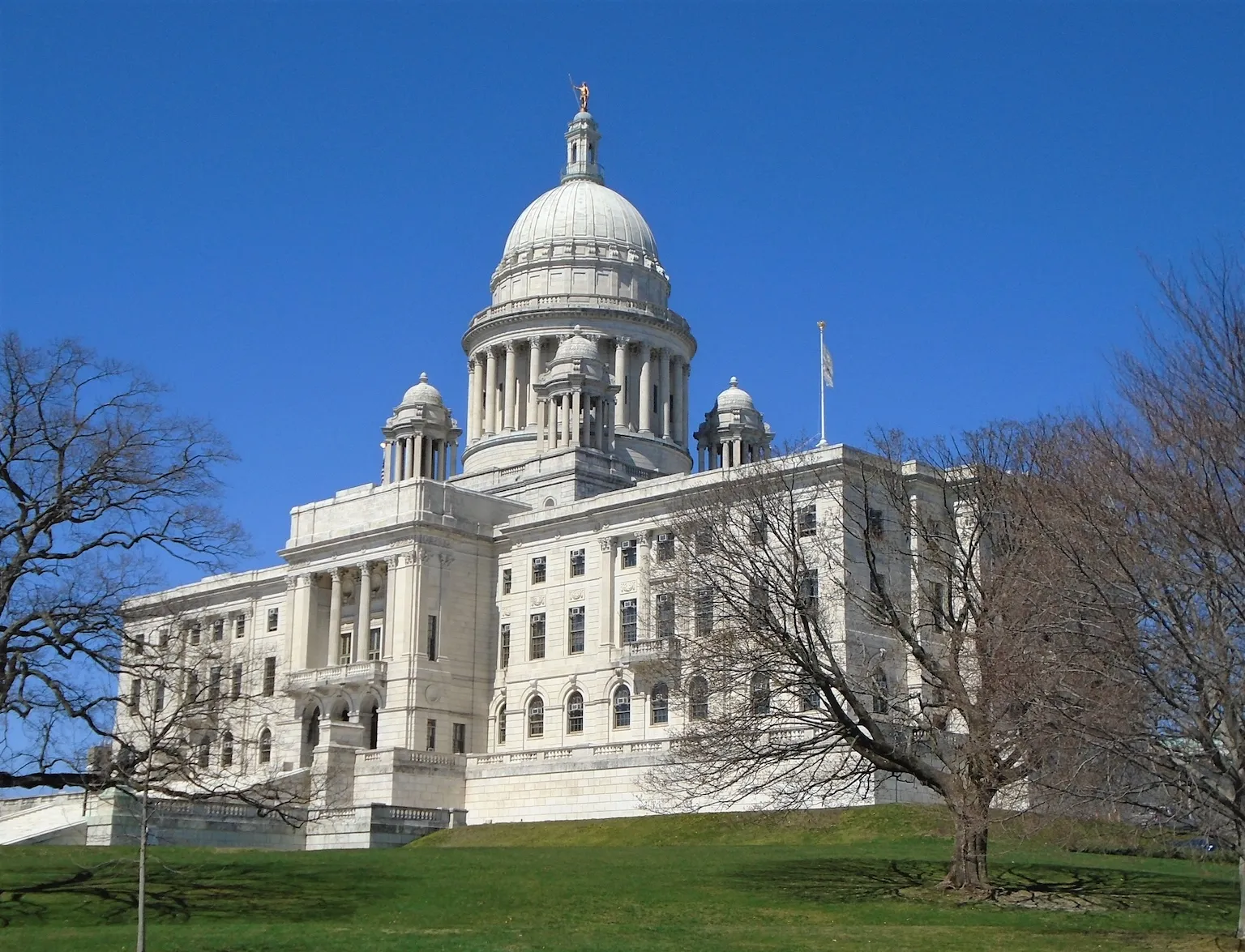
Rhode Island Unveils Bold Housing Package to Tackle Affordability Crisis

Rhode Island is launching its sixth major housing reform package, aiming to boost affordability through zoning updates, lot splits, code changes, and the revival of single room occupancy and co‑living housing. With the state still recovering from years of underbuilding and soaring home prices, lawmakers hope these reforms will unlock new supply, ease pressure on renters and buyers, and create fresh opportunities for real estate professionals.