Confidence Returns to Phoenix’s Commercial Real Estate Market
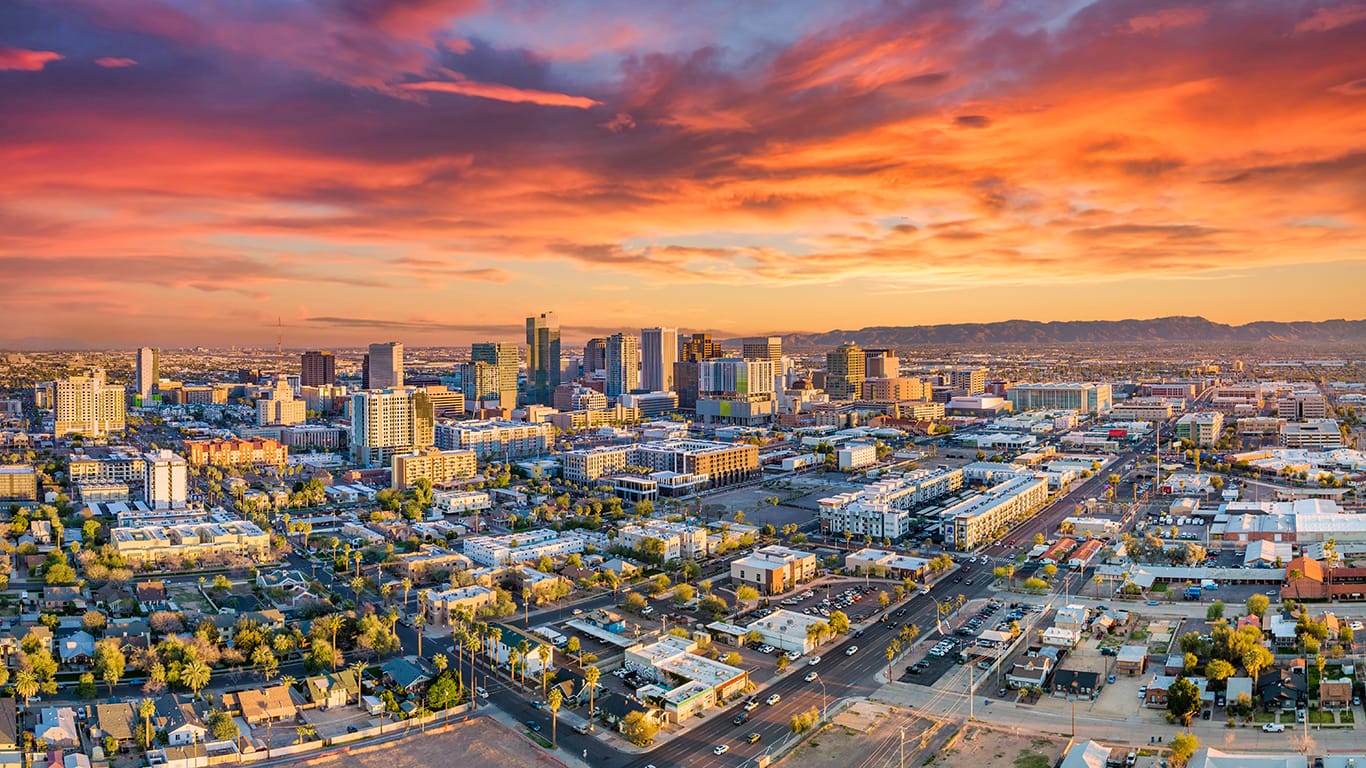
Phoenix skyline at sunset

After a stretch of economic uncertainty, the Phoenix commercial real estate sector is showing strong signs of renewed confidence — and the data backs it up. The latest Commercial Broker Sentiment Index (CBSI) from Arizona State University’s Center for Real Estate and Finance has posted an impressive reading of 62.7, the highest optimism level local brokers have recorded since interest rates began climbing years ago.

Source Spotlight

This article draws inspiration from AZ Big Media’s insightful coverage of Phoenix’s rising commercial real estate confidence. Explore the original source at:

AZ Big Media – Phoenix CRE Confidence

The CBSI acts as a forward‑looking indicator of what may unfold over the next six months. A score above 50 reflects industry optimism — and Phoenix professionals have soared past that threshold with strength. For context, the index barely stayed above 30 in late 2022. With confidence climbing steadily for two years, Phoenix is entering an exciting new phase heading into 2026.

What’s Driving the Market?

ASU’s Center for Real Estate and Finance, part of the prestigious W. P. Carey School of Business, stands at the forefront of analyzing shifting market forces. Executive Director Tom Johnston highlights how the center serves as a bridge between students, seasoned experts, and the wider business community — delivering research, education, and industry engagement.

This year’s survey expanded to include seven asset classes, bringing more depth than ever before. Brokers across the Valley report:

Quick Market Takeaways

Multifamily: affordability pressures persist, but long‑term demand stays strong.
Retail: thriving due to years of underbuilding and fast lease‑ups.
Class A Office: outperforming older, less‑updated buildings.
Capital Markets: improving thanks to easing interest rates and compressed lending spreads.

AI, Interest Rates, and Economic Momentum

Professionals are keeping a close eye on broader economic trends. Interest rates are beginning to ease, unlocking deal flow that had stalled. Meanwhile, artificial intelligence continues reshaping the industry, improving research, analytics, and operational efficiency.

Even with lingering concerns — regulation, tariffs, and corporate layoffs — Phoenix’s rapid population growth and diverse economy provide a strong foundation for continued expansion.

What Phoenix’s Future Might Look Like

With the metro expected to welcome more than 1 million new residents in the next 15 years, the question is no longer whether Phoenix will grow, but how. Johnston points to critical factors: water, infrastructure, land management, and environmental impact — all shaping the region’s future development.

Major players in manufacturing and technology continue investing heavily in the Valley, fueling job growth and demand for housing, retail, and services. From the East Valley to downtown, momentum remains unmistakably strong.

What This Means for Real Estate Professionals

Whether you’re a broker, developer, investor, or someone aspiring to join the industry, Phoenix’s renewed commercial energy offers opportunities across nearly every asset class. This rebound in confidence signals a market worth watching — and worth participating in.

For professionals advancing or starting their careers, strong market cycles highlight the importance of quality education. If you’re in Florida exploring real estate, mortgage, insurance, or other licensing paths, Cameron Academy provides flexible, career‑driven training designed for both emerging and experienced professionals.

More Articles

Getting licensed or staying ahead in your career can be a journey—but it doesn’t have to be overwhelming. Grab your favorite coffee or tea, take a moment to relax, and browse through our articles. Whether you’re just starting out or renewing your expertise, we’ve got tips, insights, and advice to keep you moving forward. Here’s to your success—one sip and one step at a time!

The Great Housing Reset: What Redfin Predicts for 2026

Redfin forecasts a slow but meaningful return to normalcy in the U.S. housing market starting in 2026. Instead of a crash or a rapid correction, the year marks the beginning of a “Great Housing Reset” where affordability gradually improves, mortgage rates ease into the low‑6% range, home sales tick upward, and renters, buyers, and professionals finally feel less market pressure. From wage growth outpacing home prices to rising refi activity and the rise of AI‑powered real estate tools, 2026 is shaping up to be a foundational year for real estate careers and long‑term market stability.

Climate Disasters Are Outpacing Insurance Uptake as the Global Protection Gap Nears Crisis Levels

Hurricane Melissa’s destruction in Jamaica highlights a growing global reality: climate risks are accelerating faster than insurance adoption. With more than 90% of disaster losses in developing regions going uninsured and a worldwide protection gap exceeding $1.8 trillion annually, experts warn that traditional insurance systems can no longer keep up. New models—like parametric payouts, community‑based aggregation and bundled climate tools—are emerging, but governments and corporations must step in to prevent financial shocks from destabilizing entire economies.

AI-Powered Excavators? Gravis Robotics Secures $23M to Tackle Construction’s Growing Labor Crisis

Gravis Robotics, a Zurich-based startup, just raised $23 million to bring autonomous tech to construction sites facing a massive operator shortage. As demand surges for renewable energy projects, data centers, and new housing, Gravis retrofits traditional heavy machinery with AI-driven systems that can work autonomously or via remote guidance. With trials already underway across seven countries, the company is pushing a future where humans and robots collaborate — speeding up development timelines and reshaping industries from construction to real estate.

Zillow Drops Climate Risk Scores—What It Means for Agents, Buyers, and the Future of Real Estate

Zillow has quietly removed its climate‑risk scores after months of pressure from agents, homeowners, and listing services who said the warnings were scaring off buyers. The move has sparked a national debate: Is this a win for real estate sales or a setback for consumer transparency? Critics warn that without clear climate‑risk data, families could be “flying blind” into costly surprises like insurance spikes and flood damage. As climate impacts intensify and disclosure expectations rise, real estate professionals must stay informed—because whether Zillow shows the data or not, the risks aren’t going anywhere.

Florida’s Property Insurance Battle Heats Up as 2026 Approaches

Florida’s property insurance crisis is becoming the defining issue heading into the 2026 election season. Republicans argue that recent reforms are finally stabilizing the market, pointing to reduced litigation and cooling reinsurance costs. Democrats counter that families are still facing unbearable premiums, with condo prices dropping over 8% and Floridians paying some of the highest insurance rates in the nation. As lawmakers prepare to return to Tallahassee, the future of insurance reform is set to become the central political fight—one that will directly impact homeowners, investors, and real estate professionals across the state.

The Invisible Backbone Transforming Modern Real Estate

Connectivity has become one of the most powerful differentiators in today’s real estate market. As smart buildings, automation, and sustainability demands accelerate, fiber networks are replacing outdated copper systems and reshaping property value. With lower energy use, unified smart‑building capabilities, reduced long‑term costs, and stronger tenant satisfaction, digital infrastructure is now central to investment strategy. Real estate professionals who understand this shift gain a competitive edge as the industry moves toward cleaner, smarter, more connected buildings.