Conforming Mortgage Credit Availability Hits Record Low: What It Means for Today’s Borrowers
As 2026 unfolds, fresh data from the Mortgage Bankers Association (MBA) reveals something unexpected in the lending world: conforming mortgage credit availability has officially dropped to its lowest point since the index debuted in 2011. For today’s buyers and mortgage professionals, this shift is more than a headline—it’s a signal worth paying extremely close attention to.
Overall mortgage credit availability dipped by 2.6% in December, according to the MBA’s latest Mortgage Credit Availability Index (MCAI). This decline not only reverses two consecutive months of improvement but also pushes the MCAI down to 104.7—its lowest reading in three months.
Source Insight: Reporting for this development was originally published by Scotsman Guide, a trusted authority for mortgage and finance professionals nationwide.
A Tightening Market in a Time of Change
While mortgage credit availability still sits above year‑end 2024 levels, the December reading reveals a different narrative—one marked by lenders reducing program offerings and increasing documentation demands across many loan categories.
“Mortgage credit availability increased on an annual basis in December due to increased loan program offerings and industry capacity compared to the end of 2024,” said Joel Kan, MBA vice president and deputy chief economist. “However, on a monthly basis, credit supply declined to its lowest level in three months, with tightening in both conventional and government loan offerings.”
Kan noted that diminishing adjustable‑rate mortgage options, fewer cash‑out programs, and heightened documentation standards played major roles in this shift—changes that undeniably impact both buyers and mortgage pros working through today’s evolving lending landscape.
Historic Low for Conforming Loans
The Conforming MCAI saw the sharpest contraction, falling 3.8% and hitting its lowest point since tracking began more than a decade ago. The broader Conventional MCAI also dropped 3.6%, with jumbo lending moving in parallel.
Government‑backed programs weren’t immune either: FHA, VA, and USDA availability collectively declined by 1.4%.
For buyers, this tightening translates to fewer loan choices and stricter qualification hurdles. For real estate, lending, mortgage, and finance professionals, it highlights the need for staying educated, adaptable, and well‑versed in changing underwriting guidelines.
Why This Matters for Real Estate and Mortgage Professionals
When credit tightens, opportunities shift—not vanish. Professionals who stay ahead of lending trends and understand evolving credit landscapes are the ones who continue to thrive, even when market conditions tighten.
That’s where education becomes a powerful advantage. Whether you’re renewing a license, adding a new credential, or expanding into fields like real estate, mortgage origination, insurance, or finance, staying trained is essential.
Cameron Academy proudly supports professionals nationwide with flexible, career‑aligned licensing and continuing education—helping you stay sharp, informed, and ready for whatever comes next.
Looking Ahead
The December dip may be a temporary adjustment—or the start of a broader tightening cycle for 2026. Regardless, professionals who stay informed and anticipate these movements will maintain a competitive edge in serving their clients.
As the MBA continues tracking key lending shifts, one thing is clear: this year’s mortgage story is only just beginning, and those who stay educated will be best positioned to navigate it.
More Articles
Getting licensed or staying ahead in your career can be a journey—but it doesn’t have to be overwhelming. Grab your favorite coffee or tea, take a moment to relax, and browse through our articles. Whether you’re just starting out or renewing your expertise, we’ve got tips, insights, and advice to keep you moving forward. Here’s to your success—one sip and one step at a time!
The real estate industry is on the brink of a transformation, driven by the integration of the Internet of Things (IoT). This technological advancement is reshaping how buildings operate and enhancing tenant experiences across the globe.
"This framework postulates New Orleans as already living in the future," said Patterson during the exhibition's opening. Lash added, "We want to show New Orleans as a gift and as a scout." The exhibition, featuring 51 artists across 21 venues, highlights how contemporary art can serve as an engine of coping, rather than mere recovery.
As the dust settles on the recent Republican victory in the U.S. presidential election, the tax landscape is poised for significant changes with President-elect Donald Trump set to return to the White House.
As we step into 2025, the multifamily housing sector is projected to experience modest growth. Yardi Matrix anticipates a 1.5% increase in rents, driven by positive economic conditions and stable industry fundamentals, particularly in the Northeast and Midwest regions. However, the rent growth forecasts vary across different markets.
Recent surveys have shed light on the preferences and priorities of renters in 2024, emphasizing the dominance of digital marketing and the importance of community inclusiveness.
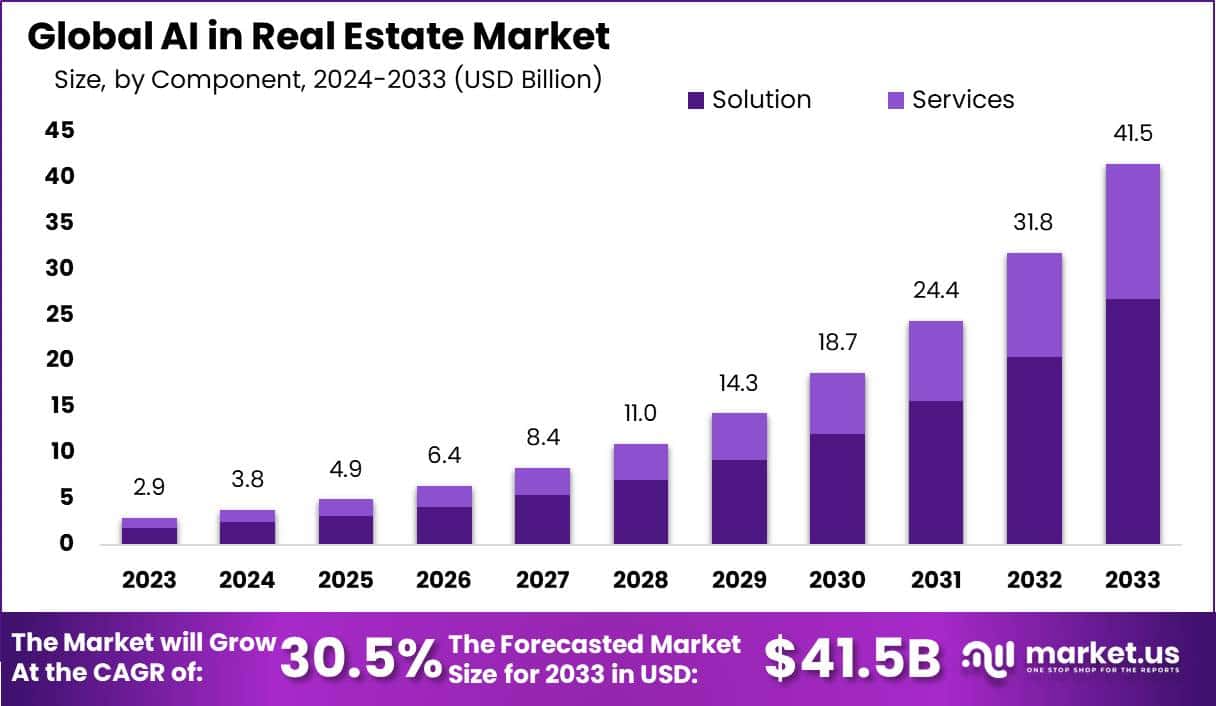
The real estate industry is on the brink of a technological transformation, with Artificial Intelligence (AI) playing a pivotal role. According to a recent report by Market.us, the AI in real estate market is projected to surge from USD 2.9 Billion in 2023 to a staggering USD 41.5 Billion by 2033, growing at an impressive CAGR of 30.5%.