In the ever-evolving world of finance, the FinTech sector has been a beacon of innovation and disruption over the past decade. Recently, however, a noticeable shift towards consolidation has emerged, reshaping the landscape of bank-FinTech partnerships.


Speaking to PYMNTS, Priority Chief Strategy Officer Sean Kiewiet explained how a few key events have catalyzed a consolidation cycle within the industry. “Back in the heyday, it was expanding,” Kiewiet remarked, highlighting the era of rapid growth and frequent new partnerships. Now, however, the focus has shifted to a more selective collaboration between banks and FinTechs, emphasizing proven technology and value propositions.


The Best of Both Worlds

At the heart of successful bank-FinTech partnerships lies the promise of blending the best of both worlds. Banks bring stability and trust, while FinTechs offer speed and innovation. “It’s the promise of the best of both worlds,” Kiewiet noted, underscoring the potential of these collaborations to enhance financial services without compromising core stability.


However, this synergy is not without its challenges. Banks, often slow to change, must navigate the rapid iteration and innovation that FinTechs champion. The cultural and operational differences between these entities can create friction, yet when aligned properly, they can drive significant advancements in the industry.


Targeting Synergies for Maximum Impact

The consolidation trend has brought to light the importance of targeting specific synergies for maximum impact. While some partnerships thrive on vertical integration, offering specialized services like loan processing, others face challenges when attempting to merge batch-based systems with real-time operations.


“Banks operate with a very specific set of requirements,” Kiewiet explained, pointing to the regulatory capital and risk structures that banks must adhere to. Conversely, FinTechs often adopt a more flexible approach, which can lead to operational discrepancies if not carefully managed.


Ultimately, the most successful partnerships are those that understand and leverage each party’s strengths and limitations. By focusing on well-defined use cases and aligning operational models, banks and FinTechs can continue to innovate while maintaining the stability that customers rely on.



More Articles

Getting licensed or staying ahead in your career can be a journey—but it doesn’t have to be overwhelming. Grab your favorite coffee or tea, take a moment to relax, and browse through our articles. Whether you’re just starting out or renewing your expertise, we’ve got tips, insights, and advice to keep you moving forward. Here’s to your success—one sip and one step at a time!

Revolutionizing Real Estate with IoT: A New Era of Smart Homes

The real estate industry is on the brink of a transformation, driven by the integration of the Internet of Things (IoT). This technological advancement is reshaping how buildings operate and enhancing tenant experiences across the globe.

New Orleans as a Beacon of Resilience: The Sixth Triennial

"This framework postulates New Orleans as already living in the future," said Patterson during the exhibition's opening. Lash added, "We want to show New Orleans as a gift and as a scout." The exhibition, featuring 51 artists across 21 venues, highlights how contemporary art can serve as an engine of coping, rather than mere recovery.

By |March 6, 2025|Categories: Art, Article, Culture|Tags: , |0 Comments

Navigating Trump’s Tax Proposals: Key Changes Ahead

As the dust settles on the recent Republican victory in the U.S. presidential election, the tax landscape is poised for significant changes with President-elect Donald Trump set to return to the White House.

By |March 6, 2025|Categories: Article, Tax Policy, U.S. Politics|Tags: , |0 Comments

Multifamily Housing Sector: Modest Growth and Market Predictions for 2025

As we step into 2025, the multifamily housing sector is projected to experience modest growth. Yardi Matrix anticipates a 1.5% increase in rents, driven by positive economic conditions and stable industry fundamentals, particularly in the Northeast and Midwest regions. However, the rent growth forecasts vary across different markets.

Renter Preferences for 2024: Insights from Industry Surveys

Recent surveys have shed light on the preferences and priorities of renters in 2024, emphasizing the dominance of digital marketing and the importance of community inclusiveness.

AI Revolutionizes the Real Estate Market

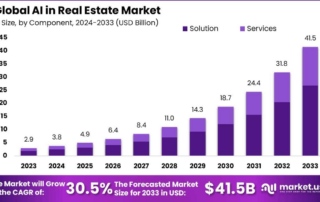
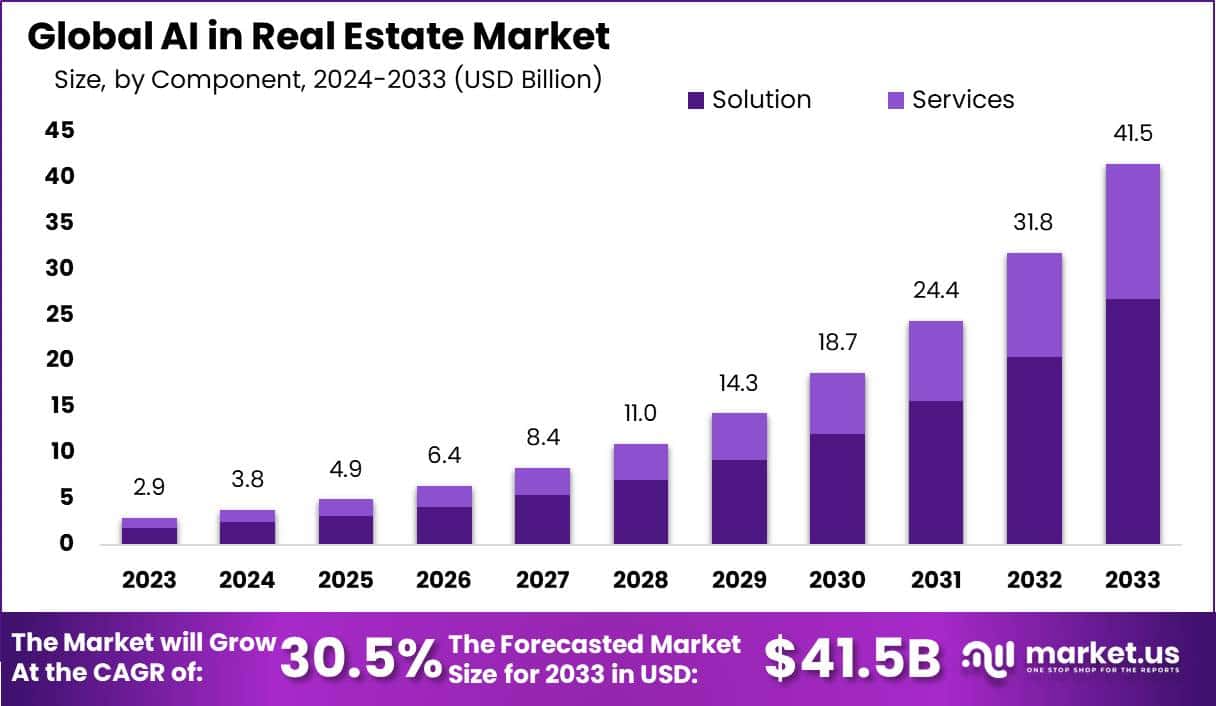
The real estate industry is on the brink of a technological transformation, with Artificial Intelligence (AI) playing a pivotal role. According to a recent report by Market.us, the AI in real estate market is projected to surge from USD 2.9 Billion in 2023 to a staggering USD 41.5 Billion by 2033, growing at an impressive CAGR of 30.5%.