In the ever-evolving world of finance, the FinTech sector has been a beacon of innovation and disruption over the past decade. Recently, however, a noticeable shift towards consolidation has emerged, reshaping the landscape of bank-FinTech partnerships.


Speaking to PYMNTS, Priority Chief Strategy Officer Sean Kiewiet explained how a few key events have catalyzed a consolidation cycle within the industry. “Back in the heyday, it was expanding,” Kiewiet remarked, highlighting the era of rapid growth and frequent new partnerships. Now, however, the focus has shifted to a more selective collaboration between banks and FinTechs, emphasizing proven technology and value propositions.


The Best of Both Worlds

At the heart of successful bank-FinTech partnerships lies the promise of blending the best of both worlds. Banks bring stability and trust, while FinTechs offer speed and innovation. “It’s the promise of the best of both worlds,” Kiewiet noted, underscoring the potential of these collaborations to enhance financial services without compromising core stability.


However, this synergy is not without its challenges. Banks, often slow to change, must navigate the rapid iteration and innovation that FinTechs champion. The cultural and operational differences between these entities can create friction, yet when aligned properly, they can drive significant advancements in the industry.


Targeting Synergies for Maximum Impact

The consolidation trend has brought to light the importance of targeting specific synergies for maximum impact. While some partnerships thrive on vertical integration, offering specialized services like loan processing, others face challenges when attempting to merge batch-based systems with real-time operations.


“Banks operate with a very specific set of requirements,” Kiewiet explained, pointing to the regulatory capital and risk structures that banks must adhere to. Conversely, FinTechs often adopt a more flexible approach, which can lead to operational discrepancies if not carefully managed.


Ultimately, the most successful partnerships are those that understand and leverage each party’s strengths and limitations. By focusing on well-defined use cases and aligning operational models, banks and FinTechs can continue to innovate while maintaining the stability that customers rely on.


More Articles

Getting licensed or staying ahead in your career can be a journey—but it doesn’t have to be overwhelming. Grab your favorite coffee or tea, take a moment to relax, and browse through our articles. Whether you’re just starting out or renewing your expertise, we’ve got tips, insights, and advice to keep you moving forward. Here’s to your success—one sip and one step at a time!

The Genetic Revolution: CRISPR and Public Opinion

CRISPR-Cas9 democratizes the ability to edit genomes with unprecedented precision and ease, transforming scientific research and sparking profound societal and ethical debates.

Revolutionizing Healthcare: The AI Transformation

Artificial Intelligence (AI) is no longer a futuristic concept in healthcare; it is a reality reshaping the industry today. Visionaries like Vinod Khosla have long predicted AI's potential, foreseeing its ability to replace up to 80% of standard medical tasks. This transformation is now evident as AI technologies begin to outperform traditional methods, particularly in areas requiring precision and data processing.

Exploring the Intersection of AI and Patient-Centered Care

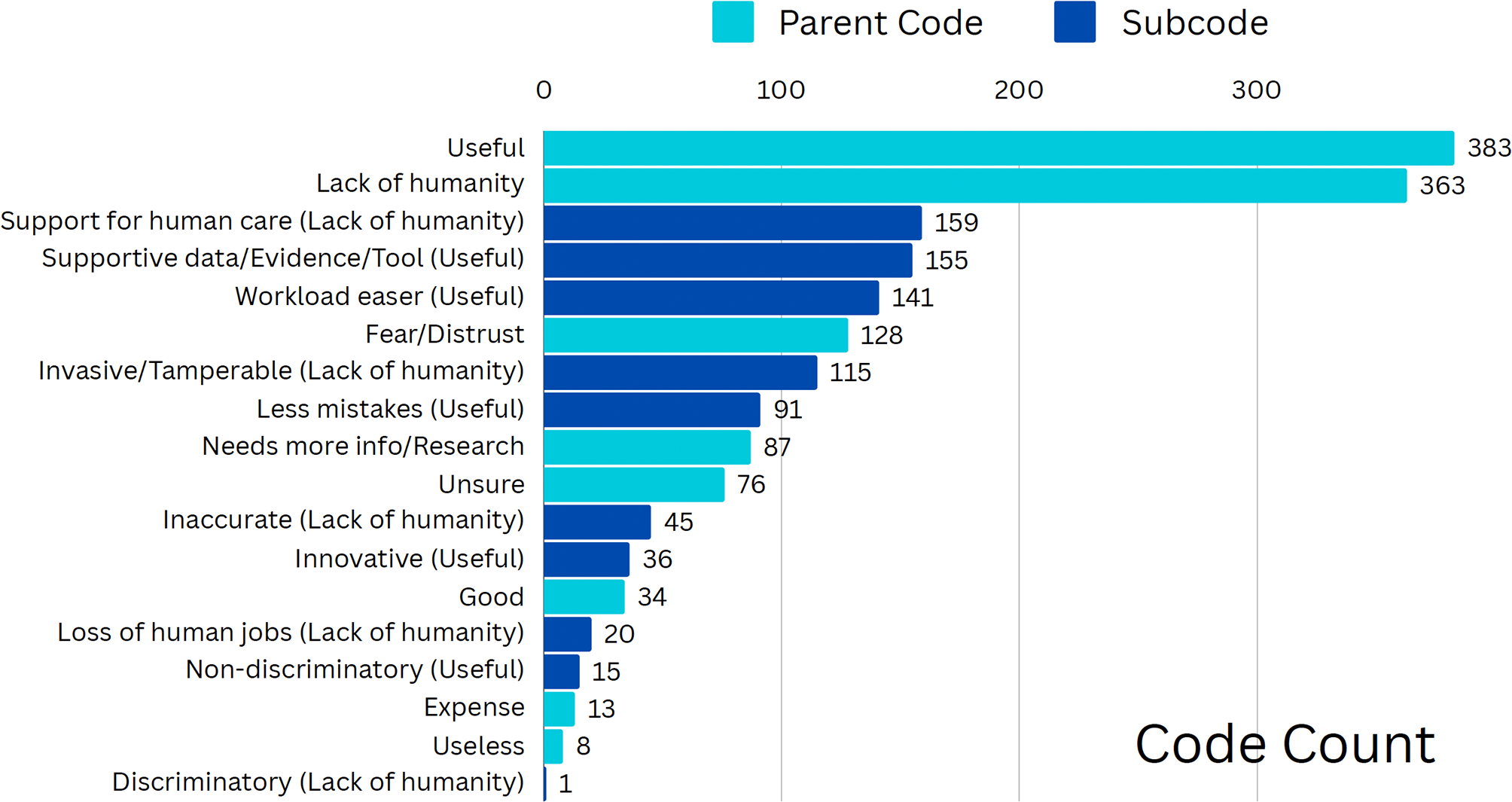
In a groundbreaking study published in BMC Medical Ethics, researchers have delved into the public's perception of artificial intelligence (AI) in healthcare, spotlighting both ethical concerns and potential opportunities for enhancing patient-centered care.

By |December 19, 2024|Categories: Article, Ethics, Healthcare|Tags: , |0 Comments

The AI Revolution in Real Estate

The real estate industry is experiencing a seismic shift, thanks to the integration of artificial intelligence (AI). This cutting-edge technology is fundamentally transforming property acquisition, sales, and management processes. AI's influence extends to predictive analytics, which are reshaping investment decisions, and virtual property tours, which are revolutionizing how we navigate the real estate landscape.

By |December 19, 2024|Categories: Article, Artificial Intelligence, Real Estate|Tags: |0 Comments

Virtual Care in 2024: Challenges and Opportunities for Telehealth

The telehealth market is experiencing a remarkable surge, driven by the increasing adoption of digital health solutions and remote care services.

NAR 2024 Sustainability Report: A Greener Future for Real Estate

The findings suggest that the industry is on the cusp of a "green revolution," with significant strides being made towards sustainability.


By |December 18, 2024|Categories: Article, Real Estate, Sustainability|Tags: , |0 Comments