In the ever-evolving world of finance, the FinTech sector has been a beacon of innovation and disruption over the past decade. Recently, however, a noticeable shift towards consolidation has emerged, reshaping the landscape of bank-FinTech partnerships.


Speaking to PYMNTS, Priority Chief Strategy Officer Sean Kiewiet explained how a few key events have catalyzed a consolidation cycle within the industry. “Back in the heyday, it was expanding,” Kiewiet remarked, highlighting the era of rapid growth and frequent new partnerships. Now, however, the focus has shifted to a more selective collaboration between banks and FinTechs, emphasizing proven technology and value propositions.


The Best of Both Worlds

At the heart of successful bank-FinTech partnerships lies the promise of blending the best of both worlds. Banks bring stability and trust, while FinTechs offer speed and innovation. “It’s the promise of the best of both worlds,” Kiewiet noted, underscoring the potential of these collaborations to enhance financial services without compromising core stability.


However, this synergy is not without its challenges. Banks, often slow to change, must navigate the rapid iteration and innovation that FinTechs champion. The cultural and operational differences between these entities can create friction, yet when aligned properly, they can drive significant advancements in the industry.


Targeting Synergies for Maximum Impact

The consolidation trend has brought to light the importance of targeting specific synergies for maximum impact. While some partnerships thrive on vertical integration, offering specialized services like loan processing, others face challenges when attempting to merge batch-based systems with real-time operations.


“Banks operate with a very specific set of requirements,” Kiewiet explained, pointing to the regulatory capital and risk structures that banks must adhere to. Conversely, FinTechs often adopt a more flexible approach, which can lead to operational discrepancies if not carefully managed.


Ultimately, the most successful partnerships are those that understand and leverage each party’s strengths and limitations. By focusing on well-defined use cases and aligning operational models, banks and FinTechs can continue to innovate while maintaining the stability that customers rely on.



More Articles

Getting licensed or staying ahead in your career can be a journey—but it doesn’t have to be overwhelming. Grab your favorite coffee or tea, take a moment to relax, and browse through our articles. Whether you’re just starting out or renewing your expertise, we’ve got tips, insights, and advice to keep you moving forward. Here’s to your success—one sip and one step at a time!

Malware Trends 2025: The New Era of Subscription‑Based Cybercrime

Cybercrime in 2025 has evolved into a full‑scale service economy, with malware now available through subscription platforms that operate like mainstream tech businesses. Bitsight’s latest analysis reveals explosive growth in Malware‑as‑a‑Service tools, rising attacks across industries like healthcare, finance, tech, and real estate, and a surge in cross‑platform malware and supply‑chain exploits. For professionals in any licensed field, the message is clear: today’s digital landscape demands heightened vigilance, stronger identity security, and proactive defense against an increasingly organized underground threat environment.

The Proptech Revolution: How Gllit Is Making Real Estate Transactions as Simple as Booking a Flight

A new proptech startup in the UAE, Gllit is redefining how property deals happen by removing agents, eliminating commissions, and integrating AI tools that let users create professional listings in seconds. With a fast, transparent, and direct-to-owner model, Gllit offers a glimpse into the future of global real estate — and a powerful case study for U.S. professionals preparing for tech-driven changes in the industry.

2026 Housing Market Outlook: What Buyers, Renters, and Agents Need to Know

The 2026 housing market is shaping up to be a year of stability with a few surprises. Mortgage rates are expected to hold steady, home price growth is slowing, and yet ownership costs continue to rise due to soaring taxes and insurance. Meanwhile, renting is becoming more attractive as affordability improves and built‑to‑rent communities expand. This breakdown highlights the biggest trends ahead — and what they mean for buyers, sellers, and real estate professionals, especially in Florida.

Florida Homeowners Slammed by Soaring Insurance Costs as Lawmakers Push for Major Reform

Florida homeowners are facing some of the highest insurance premiums in the nation, with average costs now topping $5,800 per year—about $3,000 above the U.S. average. Many residents report their rates have doubled or even tripled, while more than 40 percent of claims are closed with no payment. As frustration grows, state lawmakers and consumer advocates are pushing for transparency, rate caps, and incentives to help storm‑proof homes. The outcome of these reform efforts could reshape Florida’s real estate market, insurance landscape, and affordability for years to come.

Are Insurance Leaders Stuck in Silos? New Global Study Exposes a Hidden Weakness in Decision‑Making

A new global study from Risk.net and SAS reveals that many insurance companies are still making key decisions in isolated silos, despite industry-wide pushes toward data-driven strategies. While most leaders claim to have a clear vision, 38 percent admit they lack a real-time view of risks, revenue and costs. With poor data quality, limited collaboration and outdated processes holding teams back, experts say the industry is poised for a major transformation through AI, analytics and unified strategy—offering lessons for professionals across insurance, real estate, finance and other regulated fields.

Atlanta Housing Market Outlook 2025–2026: Stability, Rising Inventory, and What It Means for You

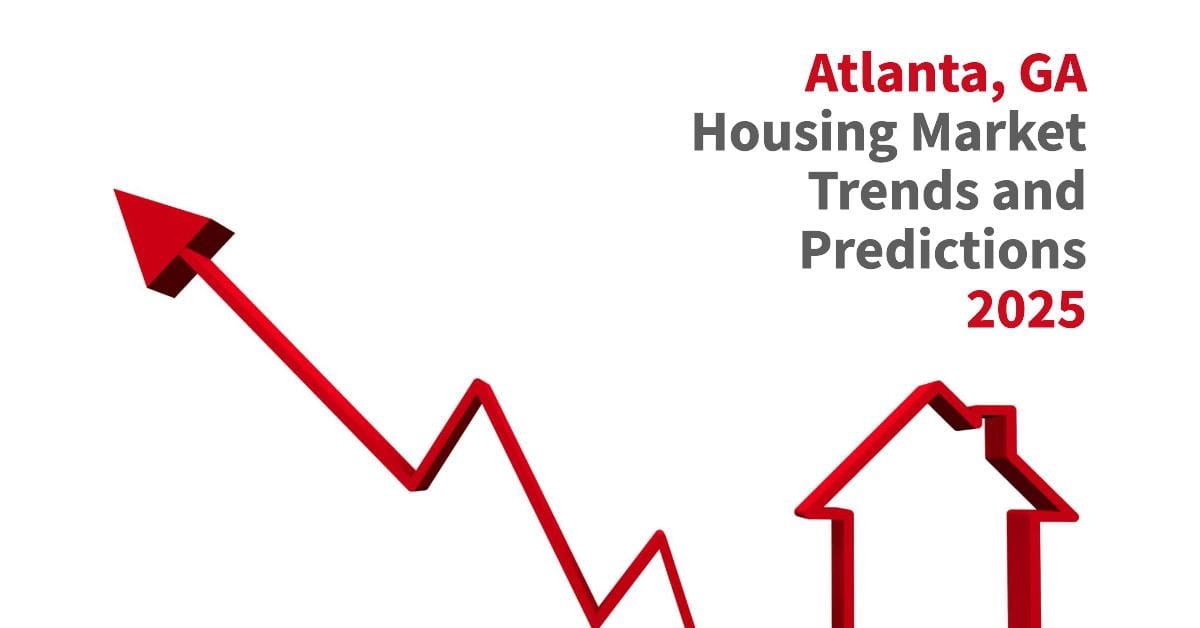
Atlanta’s housing market is shifting into a more balanced and predictable phase. Prices have leveled off, inventory has finally caught up, and mortgage rates are easing enough to bring buyers back into the game. With steady demand, growing listings, and only mild price corrections forecasted into 2026, Atlanta remains one of the Southeast’s strongest real estate markets for buyers, sellers, and investors alike.