Consumer Reports Raises the Alarm on Fintech Risks in 2026 Congressional Testimony
Fintech is rewriting the rules of money, lending, mortgages, and digital transactions. But as fast as this booming industry evolves, concerns about consumer protection grow just as quickly. On January 13, 2026, Consumer Reports (CR) delivered compelling congressional testimony—spotlighting the need for clearer, fairer, and more enforceable rules in the fintech ecosystem.
What This Means for Today’s Professionals
Whether you’re working in real estate, mortgage lending, insurance, finance, or any digital-first industry, fintech regulations established today will shape your future. CR’s testimony, delivered by Delicia Hand, Senior Director of Digital Marketplace, highlighted how consumers increasingly rely on digital financial tools—yet these tools often lack transparency and consistent safeguards.
Key Issues Highlighted in the Testimony
• Fintech blurs the boundaries between banking, technology, and non-financial services.
• Many consumers remain unaware of hidden terms, high-risk fees, or AI-driven decision-making.
• Digital financial products require standardized protections similar to traditional banks.
• Stronger guardrails are essential to prevent predatory practices and misinformation.
• Regulators must keep pace with rapidly emerging technologies to maintain fairness and safety.
For professionals—especially in regulated industries—this is a powerful reminder: compliance expectations will continue to evolve. If you’re involved in mortgages, insurance, real estate, or lending, staying ahead of regulatory changes is no longer optional. It’s a strategic advantage.
Why It Matters to Real Estate and Licensing Professionals
From AI-driven mortgage approvals to automated insurance pricing and credit-pattern analysis, fintech deeply influences how people buy homes, qualify for financing, secure coverage, and even pass screening for rentals. Professionals must understand not only the tools—but how regulators evaluate fairness, transparency, and accuracy behind these technologies.
At Cameron Academy, we’re committed to keeping professionals aligned with modern financial and technological expectations. Whether you’re entering the Florida real estate market or expanding your licensing portfolio across the country, staying educated is your greatest asset—and your strongest protection.
Source Spotlight:
This article draws from Consumer Reports’ official testimony on fintech innovation and regulatory oversight. Dive deeper into their insights by visiting:
Fintech shows no signs of slowing down—and neither do the conversations around regulating it. Staying informed isn’t just helpful; it’s essential for anyone navigating today’s financial and professional landscape.
And when you’re ready to elevate your expertise or earn a new professional license, Cameron Academy is here to guide you with the education, support, and modern insight you need to excel.
More Articles
Getting licensed or staying ahead in your career can be a journey—but it doesn’t have to be overwhelming. Grab your favorite coffee or tea, take a moment to relax, and browse through our articles. Whether you’re just starting out or renewing your expertise, we’ve got tips, insights, and advice to keep you moving forward. Here’s to your success—one sip and one step at a time!
In Florida, the earnings of a real estate agent can vary significantly based on numerous factors including experience, location, and the current state of the housing market. The potential earnings are quite broad, with average salaries ranging from $40,000 to $90,000 per year. However, top-performing agents in high-demand areas can earn well above this range, sometimes exceeding $100,000 annually.
Screening prospective tenants who utilize Section 8 vouchers in Florida requires a thorough understanding of both federal and local laws to ensure compliance and avoid potential legal issues.
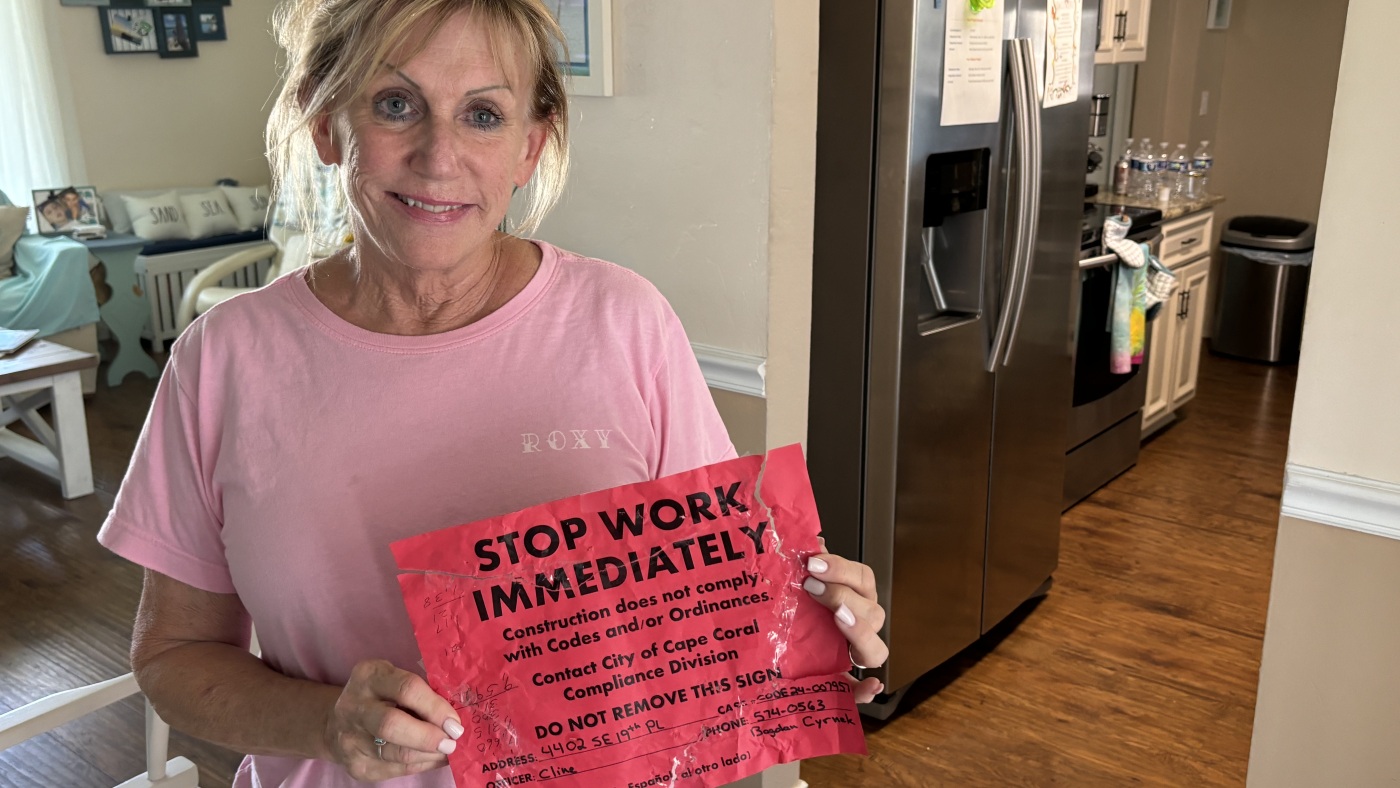
A study by First Street reveals Cape Coral has more properties at risk of flooding than any other city in Florida. Following Hurricane Ian, FEMA withdrew the city's flood insurance discount, blaming improper rebuilding practices.
Goldman Sachs Research has projected a notable increase in US home prices, forecasting a 4.5% rise this year and a 4.4% increase in 2025, as the Federal Reserve is expected to implement interest rate cuts.
In the realm of real estate, myths and misconceptions about Section 8 tenants often cloud the judgment of landlords. These stereotypes suggest that Section 8 tenants might damage property or fail to pay rent. However, these risks are inherent in renting to any tenant, not just those participating in the Section 8 program. The key to mitigating these risks lies in a robust and consistent screening process.