Consumer Reports Raises the Alarm on Fintech Risks in 2026 Congressional Testimony
Fintech is rewriting the rules of money, lending, mortgages, and digital transactions. But as fast as this booming industry evolves, concerns about consumer protection grow just as quickly. On January 13, 2026, Consumer Reports (CR) delivered compelling congressional testimony—spotlighting the need for clearer, fairer, and more enforceable rules in the fintech ecosystem.
What This Means for Today’s Professionals
Whether you’re working in real estate, mortgage lending, insurance, finance, or any digital-first industry, fintech regulations established today will shape your future. CR’s testimony, delivered by Delicia Hand, Senior Director of Digital Marketplace, highlighted how consumers increasingly rely on digital financial tools—yet these tools often lack transparency and consistent safeguards.
Key Issues Highlighted in the Testimony
• Fintech blurs the boundaries between banking, technology, and non-financial services.
• Many consumers remain unaware of hidden terms, high-risk fees, or AI-driven decision-making.
• Digital financial products require standardized protections similar to traditional banks.
• Stronger guardrails are essential to prevent predatory practices and misinformation.
• Regulators must keep pace with rapidly emerging technologies to maintain fairness and safety.
For professionals—especially in regulated industries—this is a powerful reminder: compliance expectations will continue to evolve. If you’re involved in mortgages, insurance, real estate, or lending, staying ahead of regulatory changes is no longer optional. It’s a strategic advantage.
Why It Matters to Real Estate and Licensing Professionals
From AI-driven mortgage approvals to automated insurance pricing and credit-pattern analysis, fintech deeply influences how people buy homes, qualify for financing, secure coverage, and even pass screening for rentals. Professionals must understand not only the tools—but how regulators evaluate fairness, transparency, and accuracy behind these technologies.
At Cameron Academy, we’re committed to keeping professionals aligned with modern financial and technological expectations. Whether you’re entering the Florida real estate market or expanding your licensing portfolio across the country, staying educated is your greatest asset—and your strongest protection.
Source Spotlight:
This article draws from Consumer Reports’ official testimony on fintech innovation and regulatory oversight. Dive deeper into their insights by visiting:
Fintech shows no signs of slowing down—and neither do the conversations around regulating it. Staying informed isn’t just helpful; it’s essential for anyone navigating today’s financial and professional landscape.
And when you’re ready to elevate your expertise or earn a new professional license, Cameron Academy is here to guide you with the education, support, and modern insight you need to excel.
More Articles
Getting licensed or staying ahead in your career can be a journey—but it doesn’t have to be overwhelming. Grab your favorite coffee or tea, take a moment to relax, and browse through our articles. Whether you’re just starting out or renewing your expertise, we’ve got tips, insights, and advice to keep you moving forward. Here’s to your success—one sip and one step at a time!
Florida homeowners — especially in hard‑hit South Florida — are set to see rare and substantial reductions in their property insurance premiums. Gov. Ron DeSantis announced an average statewide Citizens Insurance decrease of 8.7%, with even larger savings of up to 14% in counties like Miami-Dade, Broward, and Palm Beach. State officials credit recent legal and regulatory reforms for stabilizing the market, attracting new insurers, and delivering the first meaningful rate relief Floridians have seen in years.
Tampa’s commercial real estate market isn’t slowing—it’s maturing. With strong population growth, rising office demand, a normalized industrial sector, resurgent retail, and an emerging health‑care real estate boom, investors are shifting from speed to strategy. Tighter underwriting, cautious capital and increased due‑diligence are shaping a more disciplined market, creating new opportunities for informed professionals.
Florida homeowners are finally seeing relief as Citizens Property Insurance announces a major 8.7% average rate decrease—far larger than originally proposed. Driven by legislative reforms, fewer lawsuits, and a calm hurricane season, the state’s once‑unstable insurance market is showing real signs of recovery. But with reduced coverage limits and shifting legal protections, experts warn that lower premiums may come with hidden trade‑offs.
After a decade of rising premiums and retreating carriers, Florida homeowners are finally seeing long‑awaited relief. Dozens of insurers have filed for rate decreases—some as high as 11%—thanks to legislative reforms and a stabilizing market. Early approvals are already hitting counties across the state, and experts say the momentum could boost buyer confidence, affordability, and competition throughout Florida’s real estate and insurance sectors.
After years of slowed activity caused by rising interest rates, the self‑storage industry is heating up again. New data from Marcus & Millichap shows a fresh market cycle emerging, driven by renewed buyer confidence, recalibrated pricing, and stronger lender participation. Acquisitions are rebounding, development is resetting in a healthier direction, and financing conditions are improving—creating one of the most promising investment landscapes the sector has seen in years.
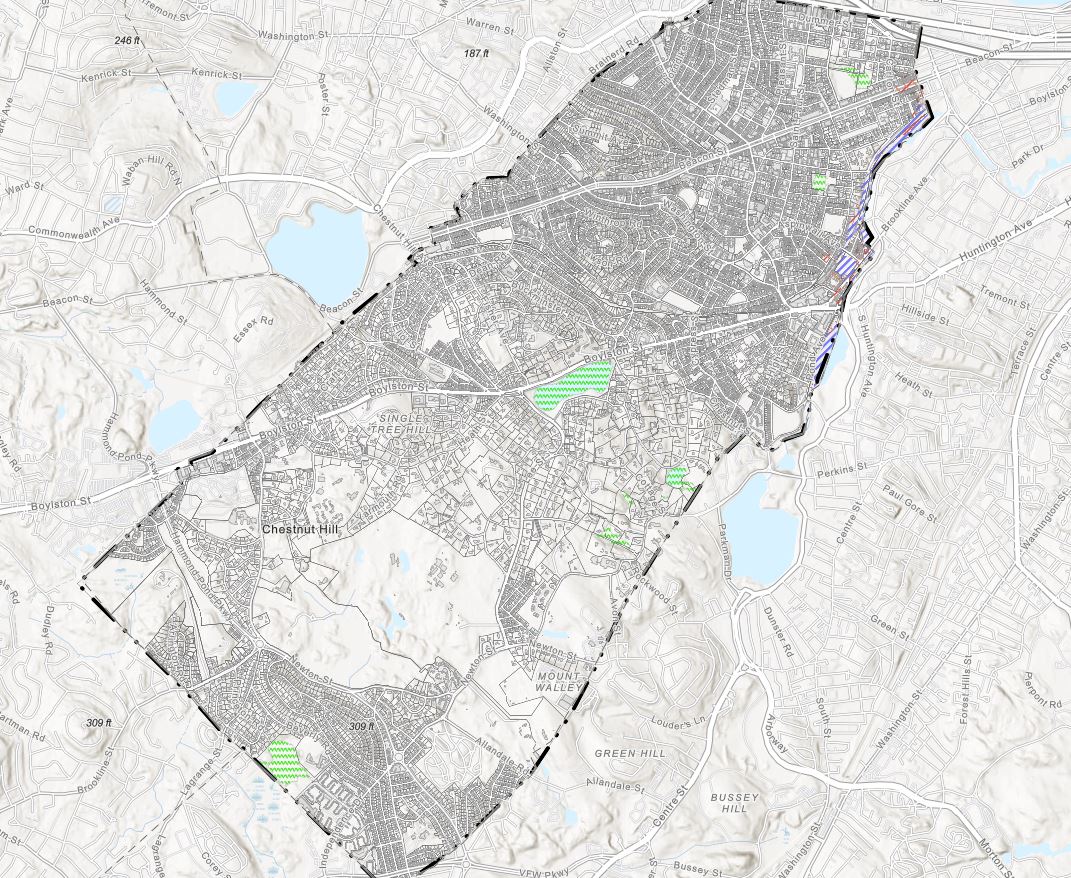
Brookline’s newly updated FEMA flood maps identify 97 high‑risk parcels, but local experts warn the true threat is far greater. While FEMA highlights river‑based flooding around Leverett Pond and the Muddy River, alternative models show more than 1,300 Brookline properties at risk within 30 years. Hidden vulnerabilities along major corridors like Beacon Street, rising rainfall intensity, aging infrastructure, and climate‑driven storm patterns suggest that many “low‑risk” areas may be anything but safe.