Copyright Office’s New Guidance on Fair Use in AI: A Delicate Balance

As the digital age continues to evolve, the intersection of technology and law becomes increasingly complex. In a groundbreaking move, the U.S. Copyright Office has released its third and final report in the “Copyright and Artificial Intelligence” series, offering nuanced guidance on fair use in the realm of generative AI (GenAI) training. This comprehensive analysis, dated May 16, 2025, sheds light on the intricate legal landscape surrounding the use of copyrighted materials in AI model training.

The report, titled Copyright and Artificial Intelligence: Part III – Generative AI Training, does not offer a blanket endorsement or rejection of fair use in AI training. Instead, it emphasizes the need for context-specific evaluations, adhering to the four factors outlined in Section 107 of the Copyright Act. These factors include the purpose and character of the use, the nature of the copyrighted work, the amount and substantiality of the portion used, and the effect of the use on the potential market.

Key Takeaways

  1. Transformativeness: The report highlights that the concept of “transformativeness” must be meaningful rather than mechanical. AI training that is transformative often involves large, diverse datasets, but the degree of transformativeness depends on the model’s functionality and deployment.


  2. Commerciality: The distinction between commercial and non-commercial use is not solely based on the entity type. Instead, it focuses on the activity itself. Even for-profit entities can engage in non-commercial uses, such as academic research.


  3. Whole-Work Usage: The use of entire works in AI training can undermine a fair use defense, particularly when outputs are made public. However, if the model obscures outputs or results in non-expressive outputs, fair use is more likely.


  4. Market Harm: Market harm is a central concern. The potential for AI-generated outputs to displace or dilute markets for copyrighted works is significant, especially in fields like illustration and journalism.


  5. Licensing and Monitoring: The Copyright Office encourages the development of licensing frameworks and legislative monitoring. While it stops short of endorsing compulsory licensing, it calls for scalable mechanisms to obtain rights for AI training.


Implications for Stakeholders

  • Developers and Technology Companies: AI developers should proceed cautiously when using copyrighted material. The report suggests that current training practices may not be broadly protected under fair use, urging developers to consider licensing content.


  • Content Creators and Rights Holders: The report supports creators who are concerned about the use of their works without permission. It underscores the importance of exploring registration, monitoring, and enforcement strategies.


  • Legal and Compliance Teams: Legal teams should treat GenAI training as a distinct area of copyright risk, ensuring visibility into the provenance of training data and the intended use of outputs.


  • Policymakers and Industry Groups: While the report advises against immediate government intervention, it anticipates further congressional interest. Industry groups should prepare for continued dialogue on licensing standards and transparency obligations.


Looking Ahead

This report marks a significant step in clarifying the relationship between copyright law and GenAI development. As the debate continues, companies and creators alike must adapt to the evolving legal landscape. For more detailed insights, the original report is available on the Wiley Rein website.

Authored by legal experts David E. Weslow, Scott Nuzum, and Stephanie Rigizadeh, this report serves as a crucial resource for understanding the future of AI and copyright law. For further reading, visit their profiles on the Wiley Rein website.

More Articles

Getting licensed or staying ahead in your career can be a journey—but it doesn’t have to be overwhelming. Grab your favorite coffee or tea, take a moment to relax, and browse through our articles. Whether you’re just starting out or renewing your expertise, we’ve got tips, insights, and advice to keep you moving forward. Here’s to your success—one sip and one step at a time!

The 2026 CRE Tech Revolution: How Data, Automation, and AI Are Rewriting Commercial Real Estate

Commercial real estate is entering its most transformative era yet. In 2026, success hinges on mastering predictive analytics, smart‑building automation, and sustainability tech—tools that now determine everything from ROI forecasting to tenant retention. As PropTech evolves into an interconnected ecosystem of AI, automation, and ESG‑driven systems, CRE professionals who embrace this shift will lead the next generation of market innovation, while those who rely on traditional instincts risk being left behind.

Florida’s Mobile Home Rent Shake‑Up: New Bills Aim to Rein In Rent Hikes and Boost Tenant Protections

Florida lawmakers are pushing major reforms that could dramatically change life for more than 800,000 mobile home park residents. New bills would force park owners to justify rent increases, expand relocation assistance, strengthen tenant rights, and add penalties for reducing amenities without lowering rent. With many residents facing steep price jumps on fixed incomes, the proposed laws mark one of the state’s biggest moves toward accountability and transparency in decades — and real estate professionals will need to stay informed as the changes progress.

Mortgage Refinance Surge Faces Sudden Reversal as Rates Jump Again

Refinance activity exploded for a second straight week as mortgage rates briefly dipped to their lowest levels since late 2024. Homeowners rushed to lock in savings, pushing refinance applications to nearly triple last year’s volume. But the momentum may be short‑lived. Early this week, rates spiked again as markets reacted to new tariff concerns and global uncertainty, erasing much of the recent progress. Both refinance and purchase demand remain strong, but volatility continues to challenge borrowers and professionals across the real estate and mortgage sectors.

Welcome to the Age of the AI Real Estate Agent

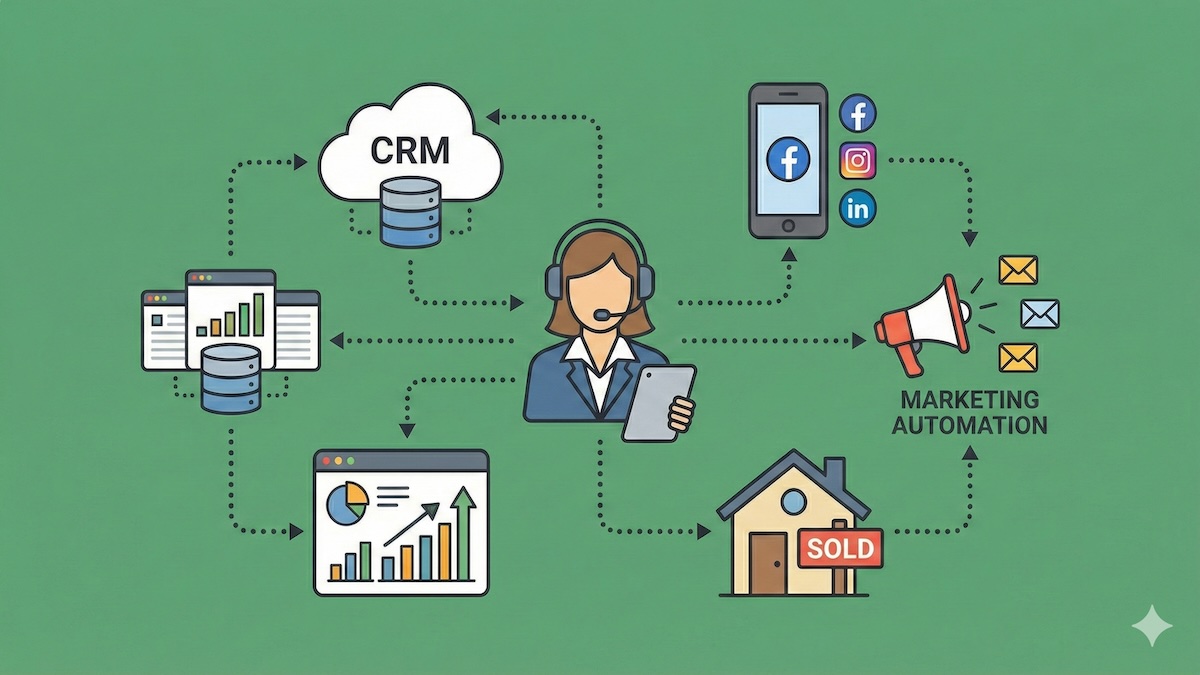
The real estate industry has officially entered its AI era, with agents across the country adopting advanced tools that streamline workflow, boost productivity, and transform daily operations. According to a new HousingWire report, tasks that once took hours now take minutes, agents are seeing up to 40 percent productivity growth, and unified AI platforms are helping brokerages deliver faster, smarter, and more personalized marketing than ever before.

Hawai‘i’s 2026 Economic Crossroads: A State in Transition with Opportunities for Professionals

Hawai‘i enters 2026 with a mix of strength and vulnerability. Construction is booming with billions in federal and military projects, yet tourism—the backbone of the local economy—is slowing at a difficult moment. Real estate shows early signs of revival as mortgage rates fall, while health care, small business, and banking navigate shifting federal funding and economic uncertainty. For professionals across real estate, finance, construction, and other licensed industries, Hawai‘i offers a clear preview of the economic pressures and emerging opportunities taking shape nationwide.

Florida’s Insurance Crisis Finally Shows Relief as Lawmakers Push for More Consumer‑Focused Reforms

Florida’s property insurance market is stabilizing after years of turmoil, but lawmakers say the job isn’t done. New proposals target profit‑sharing oversight, premium transparency, and a statewide claim‑free discount program—offering potential relief for homeowners and key insights for real estate and mortgage professionals navigating the shifting landscape.