Copyright Office’s New Guidance on Fair Use in AI: A Delicate Balance

As the digital age continues to evolve, the intersection of technology and law becomes increasingly complex. In a groundbreaking move, the U.S. Copyright Office has released its third and final report in the “Copyright and Artificial Intelligence” series, offering nuanced guidance on fair use in the realm of generative AI (GenAI) training. This comprehensive analysis, dated May 16, 2025, sheds light on the intricate legal landscape surrounding the use of copyrighted materials in AI model training.

The report, titled Copyright and Artificial Intelligence: Part III – Generative AI Training, does not offer a blanket endorsement or rejection of fair use in AI training. Instead, it emphasizes the need for context-specific evaluations, adhering to the four factors outlined in Section 107 of the Copyright Act. These factors include the purpose and character of the use, the nature of the copyrighted work, the amount and substantiality of the portion used, and the effect of the use on the potential market.

Key Takeaways

  1. Transformativeness: The report highlights that the concept of “transformativeness” must be meaningful rather than mechanical. AI training that is transformative often involves large, diverse datasets, but the degree of transformativeness depends on the model’s functionality and deployment.


  2. Commerciality: The distinction between commercial and non-commercial use is not solely based on the entity type. Instead, it focuses on the activity itself. Even for-profit entities can engage in non-commercial uses, such as academic research.


  3. Whole-Work Usage: The use of entire works in AI training can undermine a fair use defense, particularly when outputs are made public. However, if the model obscures outputs or results in non-expressive outputs, fair use is more likely.


  4. Market Harm: Market harm is a central concern. The potential for AI-generated outputs to displace or dilute markets for copyrighted works is significant, especially in fields like illustration and journalism.


  5. Licensing and Monitoring: The Copyright Office encourages the development of licensing frameworks and legislative monitoring. While it stops short of endorsing compulsory licensing, it calls for scalable mechanisms to obtain rights for AI training.


Implications for Stakeholders

  • Developers and Technology Companies: AI developers should proceed cautiously when using copyrighted material. The report suggests that current training practices may not be broadly protected under fair use, urging developers to consider licensing content.


  • Content Creators and Rights Holders: The report supports creators who are concerned about the use of their works without permission. It underscores the importance of exploring registration, monitoring, and enforcement strategies.


  • Legal and Compliance Teams: Legal teams should treat GenAI training as a distinct area of copyright risk, ensuring visibility into the provenance of training data and the intended use of outputs.


  • Policymakers and Industry Groups: While the report advises against immediate government intervention, it anticipates further congressional interest. Industry groups should prepare for continued dialogue on licensing standards and transparency obligations.


Looking Ahead

This report marks a significant step in clarifying the relationship between copyright law and GenAI development. As the debate continues, companies and creators alike must adapt to the evolving legal landscape. For more detailed insights, the original report is available on the Wiley Rein website.

Authored by legal experts David E. Weslow, Scott Nuzum, and Stephanie Rigizadeh, this report serves as a crucial resource for understanding the future of AI and copyright law. For further reading, visit their profiles on the Wiley Rein website.

More Articles

Getting licensed or staying ahead in your career can be a journey—but it doesn’t have to be overwhelming. Grab your favorite coffee or tea, take a moment to relax, and browse through our articles. Whether you’re just starting out or renewing your expertise, we’ve got tips, insights, and advice to keep you moving forward. Here’s to your success—one sip and one step at a time!

A New Blueprint for True Florida Affordability: Jayden D’Onofrio Pushes for Real Relief in 2026

Florida families are feeling the squeeze as everyday costs, insurance premiums, and homeownership barriers continue to climb. House District 102 candidate Jayden D’Onofrio is calling for a broader, more unified affordability strategy—one that tackles the state’s insurance crisis, supports first‑time homebuyers, and restores real competition in the market. His message centers on transparency, practical solutions, and keeping Florida livable for the professionals, workers, and families who power its economy.

Health Insurance Shake‑Up: America’s Coverage Markets Enter a New Era

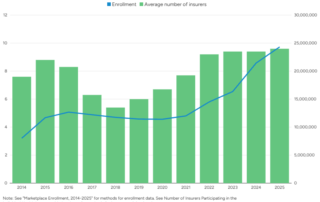
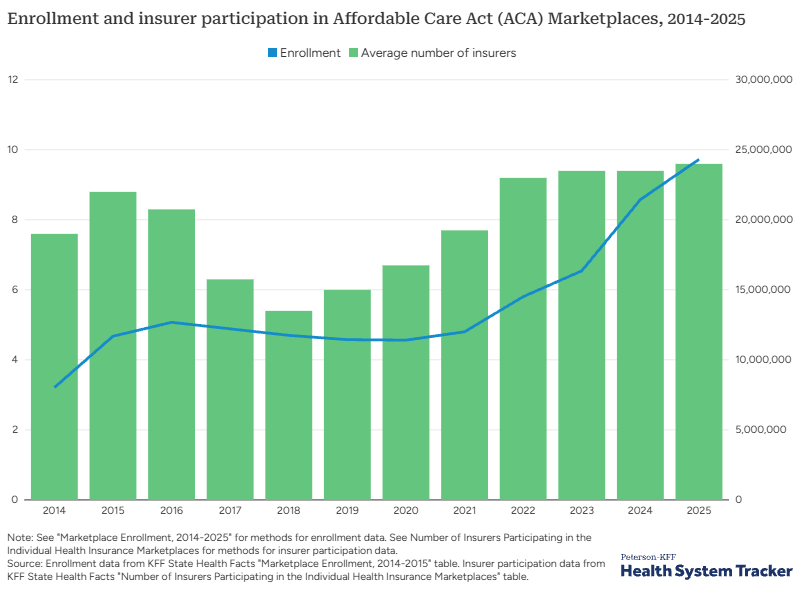
A decade of dramatic change is reshaping America’s health insurance markets. Employer group plans are becoming increasingly dominated by a few powerful insurers, while the ACA individual marketplace is experiencing record‑breaking competition and enrollment. Self‑funded plans are surging, small‑group premiums are driving employers to new coverage models, and major policy shifts in 2025 could redefine affordability for millions. This data‑driven Peterson‑KFF analysis breaks down the trends every insurance, finance, and business professional needs to understand as the industry enters a transformative new era.

Florida’s Next Mega‑Development: Winchester Ranch Set to Transform North Port

Sarasota County is inching closer to approving Winchester Ranch, a massive 8,999‑home community planned for more than 3,100 acres in North Port. With a 7‑1 vote from the Planning Commission and a final decision expected in early 2026, the project could become one of Southwest Florida’s largest developments in decades—bringing new housing, commercial space, and industry while raising fresh questions about growth, the environment, and the region’s rapidly evolving real estate market.

Lument Finance Trust Closes $664 Million CRE CLO, Signaling Strength in 2025 Markets

Lument Finance Trust has closed a major $663.8 million commercial real estate CLO, marking one of the standout CRE finance deals of 2025. The transaction, LMNT 2025-FL3, features a strong reinvestment period, non‑recourse and non‑mark‑to‑market financing, and a diversified pool of 32 loans tied to 49 properties nationwide. With J.P. Morgan leading the structuring and more than $585 million placed in investment‑grade securities, the deal highlights renewed stability in transitional CRE debt—making it a development real estate and finance professionals will want to watch closely.

Walmart Launches America’s Largest 3D‑Printed Commercial Building Initiative

Walmart has partnered with Alquist 3D to roll out the nation’s first large‑scale wave of 3D‑printed commercial buildings, signaling a major shift in how future retail and industrial spaces will be constructed. After completing an 8,000‑square‑foot 3D‑printed expansion in Tennessee—the largest of its kind—the company is moving forward with over a dozen new projects nationwide, accelerating a tech‑driven transformation in commercial real estate.

Citizens Insurance Proposes 2026 Rate Cuts, Signaling Relief for Florida’s Property Market

Citizens Property Insurance Corp. is recommending statewide rate reductions for 2026—the first proposed decrease in more than a decade. Most Citizens policyholders could see an average 11.5% drop, reflecting recent insurance‑market reforms that have stabilized Florida’s turbulent property sector. With hundreds of thousands of policies moving back to private insurers and state‑backed Citizens shrinking to record‑low enrollment, real estate and insurance professionals should prepare for how lower premiums may influence affordability, buyer confidence, and market activity heading into 2026.