CRE Markets Wake Up in 2026: What Real Estate Professionals Need to Know This Week
The first weeks of 2026 have shaken the commercial real estate world awake. Construction is cooling, consumer sentiment is stabilizing (but still strained), home sales are sliding again, and capital markets remain tight. For pros navigating real estate, mortgage, insurance, appraisal, and finance, information is power — and at Cameron Academy, we help you stay ahead of every shift.
Construction Spending: Modest Upticks, Lingering Weakness
Fresh data from the U.S. Census Bureau shows construction spending rising to a $2.175 trillion annual rate, up 0.5 percent from September. But year-over-year, spending is down about one percent. Residential construction slipped 1.2 percent, while non-residential continues its downward slope.
Private non-residential construction posted the steepest decline, falling 2.6 percent. Manufacturing plunged nearly 10 percent, and lodging dropped 3.2 percent. The lone bright spot? Office construction, with a subtle but hopeful 0.5 percent increase.
Source: Altus Research • U.S. Census Bureau
Pending Home Sales: A Sharp December Drop
The National Association of Realtors reports a 9.3 percent drop in pending home sales for December, erasing November’s temporary rebound. Year-over-year contract signings fell 3 percent, with losses across all four major U.S. regions.
This signals continued fragility heading into 2026 — fewer transactions mean softer brokerage activity, tighter mortgage origination pipelines, and declining residential construction demand, though multifamily rental markets could see a boost.
Source: National Association of Realtors
Consumer Sentiment: Stabilizing, But Still Strained
The University of Michigan’s Consumer Sentiment Index climbed to 56.4 in January, up from 52.9. While optimism grew slightly, sentiment remains more than 20 percent lower than this time last year.
Short-term inflation expectations dipped to 4 percent, but long-term expectations remain elevated. For CRE operators, this means continued cautious tenants and selective investment strategies as 2026 unfolds.
Source: University of Michigan
News Spotlight: Trends Reshaping Commercial Real Estate
Data Centers Dominate Construction Pipelines
According to the Wall Street Journal, developers are slowing most commercial projects — except data centers. With spending projected to rise 23 percent, AI infrastructure continues to fuel demand despite labor shortages and rising costs.
Return-to-Office Momentum Builds
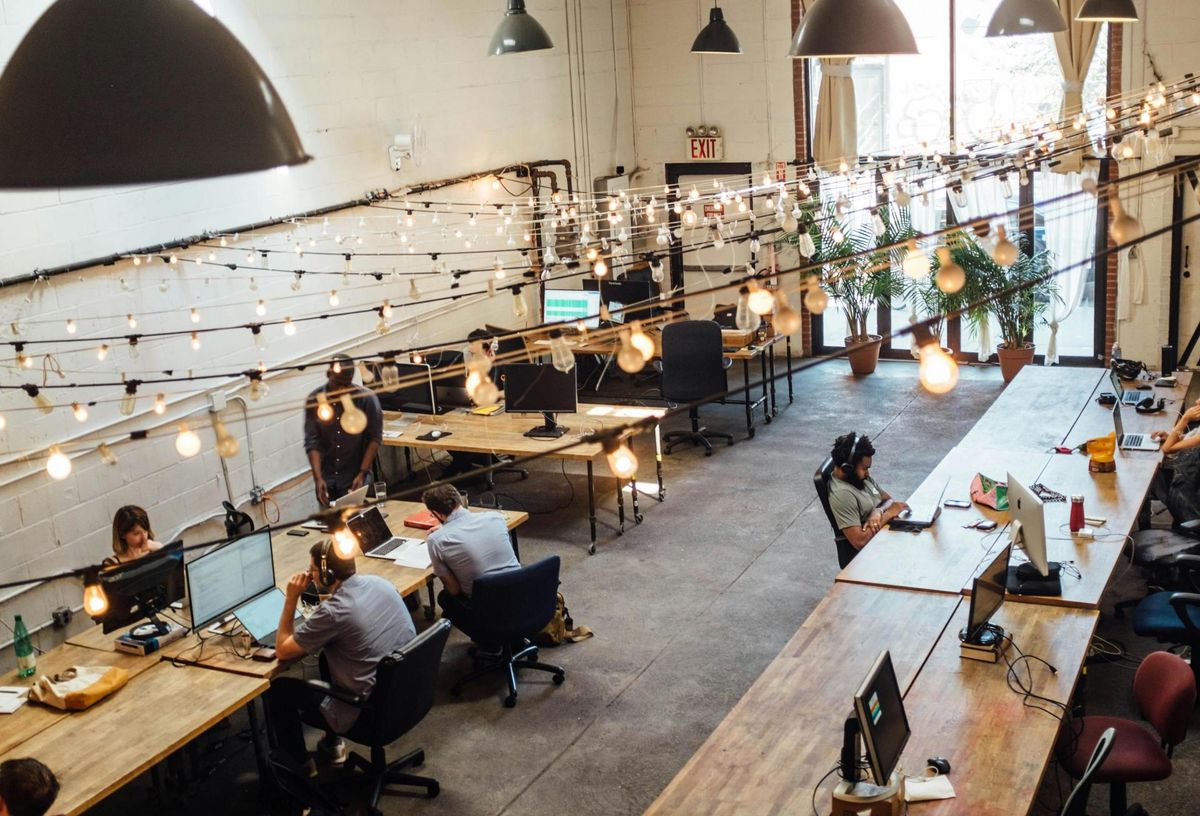
Commercial Property Executive notes December reached the highest office attendance since the pandemic began. Miami leads the U.S., followed by Dallas and New York, while even San Francisco shows signs of awakening.
Foreclosures Climb in the CMBS Market
Special servicers are shifting from extensions to enforcement, pushing foreclosure activity up 68 percent year-over-year. Nearly $16 billion in distressed loans is now in play, marking a new chapter in the CRE workout cycle.
Amazon Steps Into Big-Box Retail
Amazon will debut its largest retail store ever — a massive 230,000-sq-ft hybrid retail/fulfillment center in Orland Park, Illinois. Big-box retail isn’t dying; it’s evolving.
Institutional Buyers Face New Restrictions
A new executive order from Donald Trump limits federal support for large single-family home investors. While largely symbolic, it signals rising political pressure around housing affordability.
Treasury Yields Send a Warning Signal
The 10-year Treasury yield nears 4.3 percent as investors brace for lingering inflation, tariffs, and geopolitical uncertainty — all adding pressure to CRE cap rates.
$100 Billion in CMBS Loans Mature in 2026
Morningstar projects that more than half of this year’s maturities may default at refinancing, though analysts expect recalibration, not collapse, as private credit and extensions fill the gaps.
D.C.’s Largest Office Conversion Breaks Ground
Two office towers in Dupont Circle are being transformed into a 532‑unit residential complex, The Geneva — another example of America’s growing office-to-residential shift.
What This Means for Real Estate Professionals
Whether you’re working Florida’s fast-moving markets or expanding your career nationwide, 2026 is sending a clear message: the prepared will thrive.
At Cameron Academy, we empower agents, brokers, mortgage professionals, insurance specialists, medical licensees, and many others with the education needed to rise in a rapidly changing landscape.
Stay sharp. Stay licensed. Stay ahead.
More Articles
Getting licensed or staying ahead in your career can be a journey—but it doesn’t have to be overwhelming. Grab your favorite coffee or tea, take a moment to relax, and browse through our articles. Whether you’re just starting out or renewing your expertise, we’ve got tips, insights, and advice to keep you moving forward. Here’s to your success—one sip and one step at a time!
The Minneapolis housing market is currently navigating a complex terrain, marked by a curious blend of optimism and caution. In 2024, home sales in the Twin Cities area experienced a modest uptick of 1.8%.
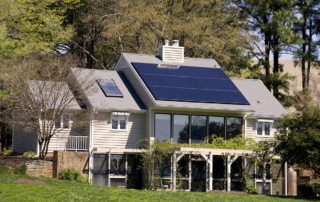
In the ever-evolving landscape of real estate, two groundbreaking trends are shaping the homes of tomorrow: sustainability and smart home technology. As consumers become increasingly aware of their environmental impact and as technology continues to advance at lightning speed, these trends are significantly influencing buying decisions in the residential real estate market.
In a comprehensive analysis by Harvard's Joint Center for Housing Studies, there is a projected increase of 8.6 million households in the United States from 2025 to 2035. This equates to approximately 860,000 new households per year, marking a significant deceleration compared to the post-Great Recession era, which saw a sluggish yet larger gain of 10.1 million households.
The real estate industry, often seen as conservative, is gradually embracing technological advancements with AI leading the charge. Generative AI is already revolutionizing real estate marketing by enhancing customer experiences and optimizing content creation.
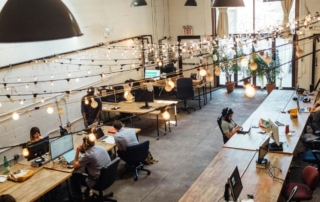
With office occupancy plummeting by 90% from February to March 2020, the impact of remote work was palpable. However, the researchers found that hybrid mandates and adding more in-office days could mitigate some of these challenges.