CRE Markets Wake Up in 2026: What Real Estate Professionals Need to Know This Week
The first weeks of 2026 have shaken the commercial real estate world awake. Construction is cooling, consumer sentiment is stabilizing (but still strained), home sales are sliding again, and capital markets remain tight. For pros navigating real estate, mortgage, insurance, appraisal, and finance, information is power — and at Cameron Academy, we help you stay ahead of every shift.
Construction Spending: Modest Upticks, Lingering Weakness
Fresh data from the U.S. Census Bureau shows construction spending rising to a $2.175 trillion annual rate, up 0.5 percent from September. But year-over-year, spending is down about one percent. Residential construction slipped 1.2 percent, while non-residential continues its downward slope.
Private non-residential construction posted the steepest decline, falling 2.6 percent. Manufacturing plunged nearly 10 percent, and lodging dropped 3.2 percent. The lone bright spot? Office construction, with a subtle but hopeful 0.5 percent increase.
Source: Altus Research • U.S. Census Bureau
Pending Home Sales: A Sharp December Drop
The National Association of Realtors reports a 9.3 percent drop in pending home sales for December, erasing November’s temporary rebound. Year-over-year contract signings fell 3 percent, with losses across all four major U.S. regions.
This signals continued fragility heading into 2026 — fewer transactions mean softer brokerage activity, tighter mortgage origination pipelines, and declining residential construction demand, though multifamily rental markets could see a boost.
Source: National Association of Realtors
Consumer Sentiment: Stabilizing, But Still Strained
The University of Michigan’s Consumer Sentiment Index climbed to 56.4 in January, up from 52.9. While optimism grew slightly, sentiment remains more than 20 percent lower than this time last year.
Short-term inflation expectations dipped to 4 percent, but long-term expectations remain elevated. For CRE operators, this means continued cautious tenants and selective investment strategies as 2026 unfolds.
Source: University of Michigan
News Spotlight: Trends Reshaping Commercial Real Estate
Data Centers Dominate Construction Pipelines
According to the Wall Street Journal, developers are slowing most commercial projects — except data centers. With spending projected to rise 23 percent, AI infrastructure continues to fuel demand despite labor shortages and rising costs.
Return-to-Office Momentum Builds
Commercial Property Executive notes December reached the highest office attendance since the pandemic began. Miami leads the U.S., followed by Dallas and New York, while even San Francisco shows signs of awakening.
Foreclosures Climb in the CMBS Market
Special servicers are shifting from extensions to enforcement, pushing foreclosure activity up 68 percent year-over-year. Nearly $16 billion in distressed loans is now in play, marking a new chapter in the CRE workout cycle.
Amazon Steps Into Big-Box Retail
Amazon will debut its largest retail store ever — a massive 230,000-sq-ft hybrid retail/fulfillment center in Orland Park, Illinois. Big-box retail isn’t dying; it’s evolving.
Institutional Buyers Face New Restrictions
A new executive order from Donald Trump limits federal support for large single-family home investors. While largely symbolic, it signals rising political pressure around housing affordability.
Treasury Yields Send a Warning Signal
The 10-year Treasury yield nears 4.3 percent as investors brace for lingering inflation, tariffs, and geopolitical uncertainty — all adding pressure to CRE cap rates.
$100 Billion in CMBS Loans Mature in 2026
Morningstar projects that more than half of this year’s maturities may default at refinancing, though analysts expect recalibration, not collapse, as private credit and extensions fill the gaps.
D.C.’s Largest Office Conversion Breaks Ground
Two office towers in Dupont Circle are being transformed into a 532‑unit residential complex, The Geneva — another example of America’s growing office-to-residential shift.
What This Means for Real Estate Professionals
Whether you’re working Florida’s fast-moving markets or expanding your career nationwide, 2026 is sending a clear message: the prepared will thrive.
At Cameron Academy, we empower agents, brokers, mortgage professionals, insurance specialists, medical licensees, and many others with the education needed to rise in a rapidly changing landscape.
Stay sharp. Stay licensed. Stay ahead.
More Articles
Getting licensed or staying ahead in your career can be a journey—but it doesn’t have to be overwhelming. Grab your favorite coffee or tea, take a moment to relax, and browse through our articles. Whether you’re just starting out or renewing your expertise, we’ve got tips, insights, and advice to keep you moving forward. Here’s to your success—one sip and one step at a time!
The title insurance industry is entering 2026 with a renewed focus on technology, operational efficiency, and stronger agent support after years of volatility. Leaders from major underwriters report rising transaction activity, improved affordability, and a surge in automation and fraud‑prevention tools—signs that smarter systems and better training will define the next wave of growth.
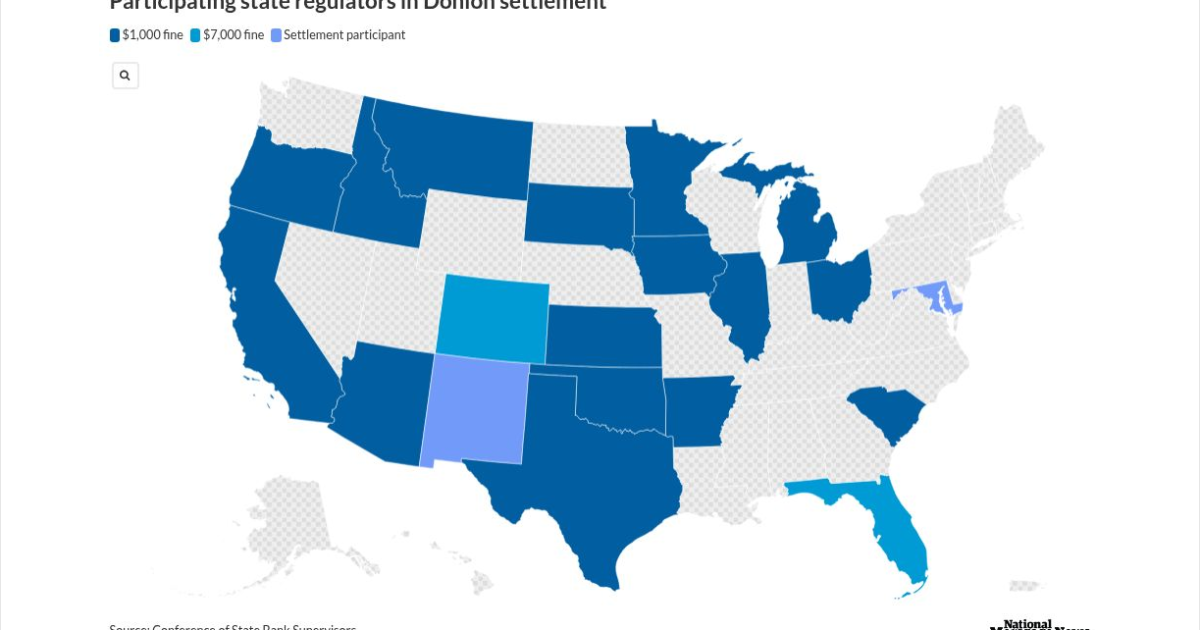
A multistate crackdown has sent shockwaves through the mortgage industry as Patrick Terrance Donlon, CEO of Trusted American Mortgage, accepted a sweeping settlement that bans him from working as a mortgage loan originator in 21 states—19 of them permanently. Regulators say Donlon had another individual complete his mandatory licensing and continuing‑education courses, a violation that triggered a coordinated investigation and a $31,000 penalty. The case underscores regulators’ growing intolerance for education fraud and serves as a sharp reminder to industry professionals: cutting corners on licensing can end careers.
Florida’s once‑booming housing market is cooling fast as rising insurance premiums, increasing foreclosures, and expanding flood zones push buyers to back out of deals and force sellers to cut prices. With insurance now adding thousands to annual housing costs, professionals across real estate, mortgage, and insurance are navigating a dramatically shifting landscape that’s redefining affordability in the Sunshine State.
Florida begins 2026 with a wave of more than 250 new laws now in effect, impacting healthcare, insurance, real estate, and consumer protections statewide. From free breast cancer screenings for state employees to tighter pet insurance regulations, mandatory healthcare refund rules, enhanced animal‑cruelty penalties, and new condo‑management requirements, these updates carry major implications for professionals navigating Florida’s evolving regulatory landscape.
Florida’s barrier islands may offer postcard-perfect beaches and soaring real estate demand, but they’re also some of the most fragile and costly places to build in the United States. With 765,000 residents living on land that shifts, sinks, and takes the brunt of every major hurricane, the financial and insurance risks are accelerating fast. From billion‑dollar beach rebuilds to towers settling into the sand, today’s coastal development challenges are reshaping conversations around property values, disclosure, and long‑term resilience. For real estate professionals, understanding these risks isn’t just smart — it’s becoming essential.
A Cedar City development is turning heads with its fresh approach to affordability. The team behind Temple View Commons is delivering luxury‑inspired twin homes at prices below the local median by using a small, hands‑on staff and cutting traditional costs like realtor commissions. In a tight Utah housing market where inventory is scarce and prices remain high, their strategy offers a realistic path to homeownership without sacrificing high‑end finishes.


 Title Insurance Leaders Double Down on Tech and Efficiency to Drive 2026 Market Momentum Gallery