Amidst a backdrop of rising energy costs and office vacancies, the commercial real estate (CRE) sector is buzzing with optimism for 2025. A recent survey by TD Bank reveals that declining property values could pave the way for renewed investment, with 76% of industry professionals anticipating increased investment activity. The survey, which drew insights from over 200 CRE experts, highlights key trends that are expected to shape the market.

Interest Rates: A Catalyst for Market Recovery

Interest rates remain a focal point for investors, with 52% predicting that potential cuts will have the most significant impact on the sector in 2025. This sentiment underscores the importance of monetary policy in influencing market dynamics. Despite the changing economic landscape, only 14% believe that the policies of the new presidential administration will be the primary factor affecting commercial real estate.

Return-to-Office Trends and Mixed-Use Developments

The return-to-office (RTO) mandates are reshaping commercial space demand, with 68% of CRE professionals forecasting that these requirements will be the most impactful business decision in 2025. While traditional office space demand may not rebound to pre-pandemic levels, mixed-use properties are expected to gain traction, as noted by 68% of respondents. Hugh Allen, Head of U.S. Commercial Real Estate at TD Bank, emphasizes the importance of creating inviting workplaces, stating, “Investors and commercial real estate owners are taking these changing expectations into account when they invest in their next project.”

Challenges and Opportunities in Housing Costs

The industry remains divided on the impact of rising housing material prices. While 70% anticipate increased costs, only 32% believe it will significantly influence investment decisions. Despite these challenges, 38% expect continued investment in the sector. Navigating inflation and interest rate fluctuations will be crucial for timing acquisitions and developments.

Technology and Sustainability: Driving the Future

Technology and sustainability are poised to play pivotal roles in shaping the future of CRE. According to the survey, 60% of respondents see predictive analytics as having the biggest technological impact, while 32% view smart buildings as the next major innovation. Sustainability and efficiency advancements are also gaining importance, with 28% highlighting these as growing priorities. Allen notes, “Technology will drive commercial real estate into its next era.”

However, there is uncertainty regarding government policies on environmental protections, with 30% of respondents citing these regulations as the most significant sustainability trend in 2025.

Looking Ahead

Despite ongoing economic challenges, the CRE sector remains optimistic about the opportunities 2025 may bring. Falling property values, return-to-office trends, and advancements in technology and sustainability are expected to shape the future landscape. Investors are adjusting strategies to capitalize on these shifts, with interest rates and mixed-use developments being key factors to watch. For more insights, visit the original article.

More Articles

Getting licensed or staying ahead in your career can be a journey—but it doesn’t have to be overwhelming. Grab your favorite coffee or tea, take a moment to relax, and browse through our articles. Whether you’re just starting out or renewing your expertise, we’ve got tips, insights, and advice to keep you moving forward. Here’s to your success—one sip and one step at a time!

America’s Housing Affordability Crisis: A Deep Dive into 2024

The American dream of homeownership is slipping further out of reach for many as the nation grapples with a severe housing affordability crisis.

By |October 17, 2024|Categories: Article, Economic Issues, Housing Affordability|Tags: , |0 Comments

The Economic Payoff of Climate Resilience Investments

Each dollar spent on disaster preparedness can yield a remarkable $13 in savings on economic impact, damage, and cleanup costs. By investing in resilience today, we can safeguard our economic futures against the uncertainties of tomorrow.

By |October 16, 2024|Categories: Article, Climate Resilience, Economics|Tags: |0 Comments

California Legislators Target Corporate Landlords in Housing Market Shake-Up

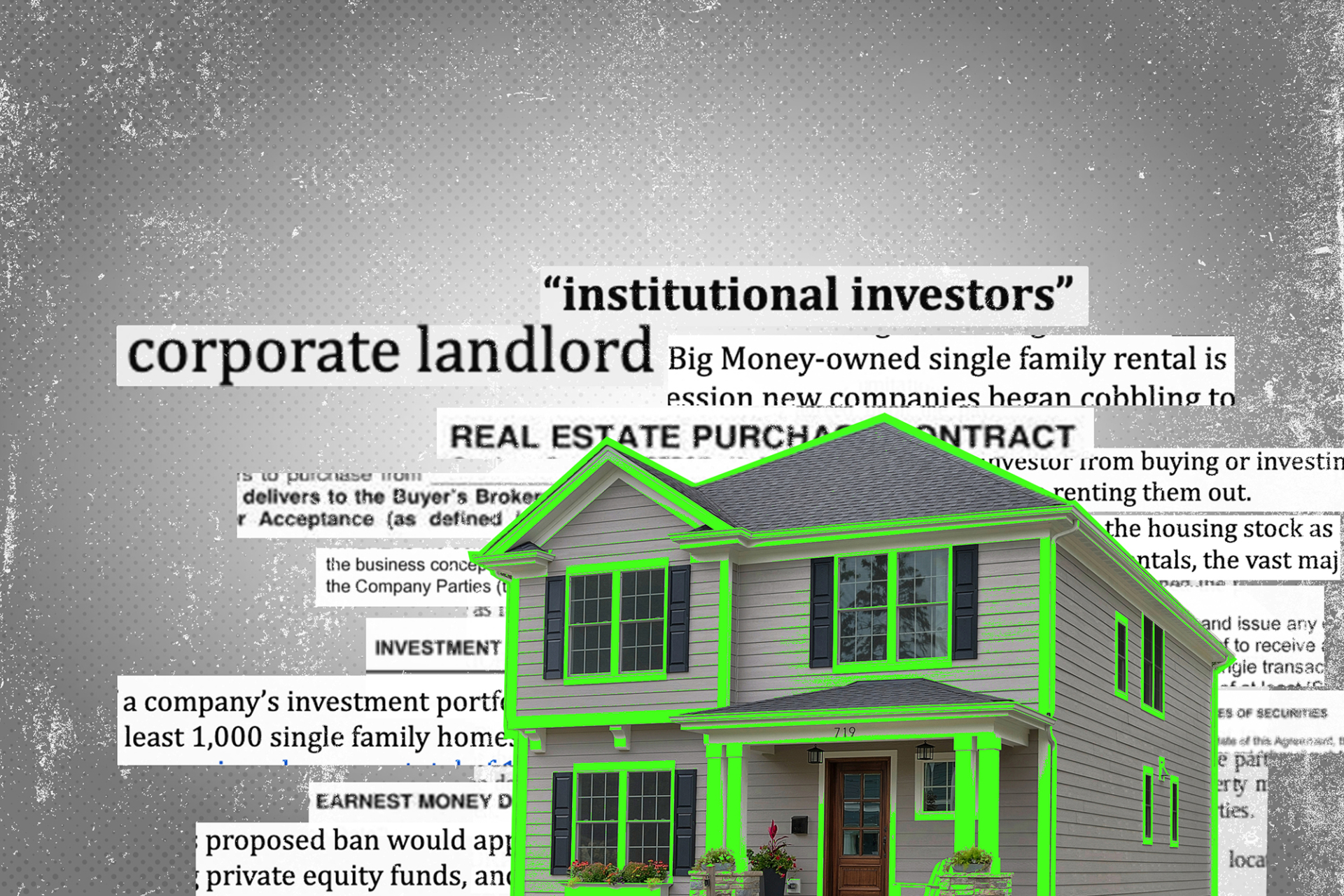
California's housing market is in the crosshairs of some of the state's most influential lawmakers, who are determined to curb the influence of institutional investors. This legislative session, at least three bills are being considered to prevent these corporate landlords from amassing a significant number of the state's single-family homes.

Proposition 33: A Pivotal Moment in California’s Rent Control Debate

Proposition 33 has sparked a heated debate. Proponents argue that repealing Costa–Hawkins would allow cities to tailor rent control measures to their unique needs, potentially easing the financial burdens on renters.

By |October 16, 2024|Categories: Article, Housing, Legislation|Tags: , |0 Comments

The Trump Era: A Transformative Journey in the U.S. Housing Market

The presidency of Donald Trump ushered in a period of notable shifts in the U.S. housing market, characterized by tax cuts, deregulation, and the unforeseen impact of a global pandemic. This era, marked by both growth and uncertainty, offers a complex narrative of economic policy and market dynamics.

Donald Trump’s Intricate Family Web

Donald Trump, a name synonymous with real estate, reality television, and politics, presents a complex family tapestry woven with professional and personal threads. His family, deeply enmeshed in his business ventures and political pursuits, forms a network of intricate connections.


By |October 15, 2024|Categories: Article, Family, Politics|Tags: , |0 Comments