Amidst a backdrop of rising energy costs and office vacancies, the commercial real estate (CRE) sector is buzzing with optimism for 2025. A recent survey by TD Bank reveals that declining property values could pave the way for renewed investment, with 76% of industry professionals anticipating increased investment activity. The survey, which drew insights from over 200 CRE experts, highlights key trends that are expected to shape the market.

Interest Rates: A Catalyst for Market Recovery

Interest rates remain a focal point for investors, with 52% predicting that potential cuts will have the most significant impact on the sector in 2025. This sentiment underscores the importance of monetary policy in influencing market dynamics. Despite the changing economic landscape, only 14% believe that the policies of the new presidential administration will be the primary factor affecting commercial real estate.

Return-to-Office Trends and Mixed-Use Developments

The return-to-office (RTO) mandates are reshaping commercial space demand, with 68% of CRE professionals forecasting that these requirements will be the most impactful business decision in 2025. While traditional office space demand may not rebound to pre-pandemic levels, mixed-use properties are expected to gain traction, as noted by 68% of respondents. Hugh Allen, Head of U.S. Commercial Real Estate at TD Bank, emphasizes the importance of creating inviting workplaces, stating, “Investors and commercial real estate owners are taking these changing expectations into account when they invest in their next project.”

Challenges and Opportunities in Housing Costs

The industry remains divided on the impact of rising housing material prices. While 70% anticipate increased costs, only 32% believe it will significantly influence investment decisions. Despite these challenges, 38% expect continued investment in the sector. Navigating inflation and interest rate fluctuations will be crucial for timing acquisitions and developments.

Technology and Sustainability: Driving the Future

Technology and sustainability are poised to play pivotal roles in shaping the future of CRE. According to the survey, 60% of respondents see predictive analytics as having the biggest technological impact, while 32% view smart buildings as the next major innovation. Sustainability and efficiency advancements are also gaining importance, with 28% highlighting these as growing priorities. Allen notes, “Technology will drive commercial real estate into its next era.”

However, there is uncertainty regarding government policies on environmental protections, with 30% of respondents citing these regulations as the most significant sustainability trend in 2025.

Looking Ahead

Despite ongoing economic challenges, the CRE sector remains optimistic about the opportunities 2025 may bring. Falling property values, return-to-office trends, and advancements in technology and sustainability are expected to shape the future landscape. Investors are adjusting strategies to capitalize on these shifts, with interest rates and mixed-use developments being key factors to watch. For more insights, visit the original article.


More Articles

Getting licensed or staying ahead in your career can be a journey—but it doesn’t have to be overwhelming. Grab your favorite coffee or tea, take a moment to relax, and browse through our articles. Whether you’re just starting out or renewing your expertise, we’ve got tips, insights, and advice to keep you moving forward. Here’s to your success—one sip and one step at a time!

The Surprising Way to Profit From the AI Boom: It’s Not Tech—It’s Real Estate

While most people chase AI stocks or compete for high‑pressure tech jobs, the real opportunity may be unfolding in AI boomtown real estate. As companies like OpenAI, Anthropic, Microsoft, and NVIDIA mint new waves of wealthy workers, demand for housing in key cities is exploding. From San Francisco to Austin, AI‑driven markets are seeing rising rents, limited inventory, and buyers preparing for massive IPO windfalls. For real estate professionals—or anyone entering the field—this surge represents one of the strongest long‑term opportunities in the industry.

Florida Ends Insurance Surcharge Early, Saving Homeowners $650 Million

Florida is ending its 1 percent emergency insurance surcharge two years ahead of schedule, saving homeowners an estimated 650 million dollars through 2028. Thanks to a calm hurricane season, fewer insurer failures, and reduced lawsuits, officials say the state’s property insurance market is now in its strongest financial position in a decade. The change offers relief for homeowners and new momentum for Florida’s real estate industry, where lower insurance costs can boost buyer confidence and support smoother transactions.

The Hidden Risk: Why Banning Big Investors Could Shrink Housing Options for Millions

A growing political push to block institutional investors from buying single-family homes may sound like a pro-homeowner policy, but the data shows it could do the opposite. Younger and racially diverse renters rely heavily on single-family rentals as an affordable, stable alternative to buying—yet restricting investor participation would shrink this supply, pushing many families into overcrowded housing, motels, or homelessness. The real issue isn’t who buys the homes, but that America doesn’t have enough of them.

Agents Embrace AI and Simplicity: Zillow’s 2026 Survey Shows What Real Estate Pros Really Want

Zillow’s 2026 Agent Trends Survey reveals a major shift in what agents value most: technology that reduces mental drain. Nearly half of agents now use AI tools daily, yet most still juggle multiple platforms that sap their focus. Zillow’s upcoming unified platform, Zillow Pro, aims to streamline workflows and cut cognitive load. The survey also highlights key industry trends, including buyer financial literacy gaps, the importance of relationships for lead generation and the growing need for tech fluency among both new and seasoned real estate professionals.

Florida Cities With the Fastest Growing Home Prices in 2026

Florida’s housing market is still surging, with luxury enclaves like Lake Buena Vista, Jupiter Island, and Golden Beach seeing massive six‑figure price jumps in just one year. Smaller towns such as Old Town, Cross City, and Hosford also posted steady gains, proving demand is rising statewide. For real estate professionals, these trends highlight where buyers are moving, where inventory is tight, and where future opportunities lie—making market literacy an essential advantage for anyone pursuing or expanding a career in Florida real estate.

Rhode Island Unveils Bold Housing Package to Tackle Affordability Crisis

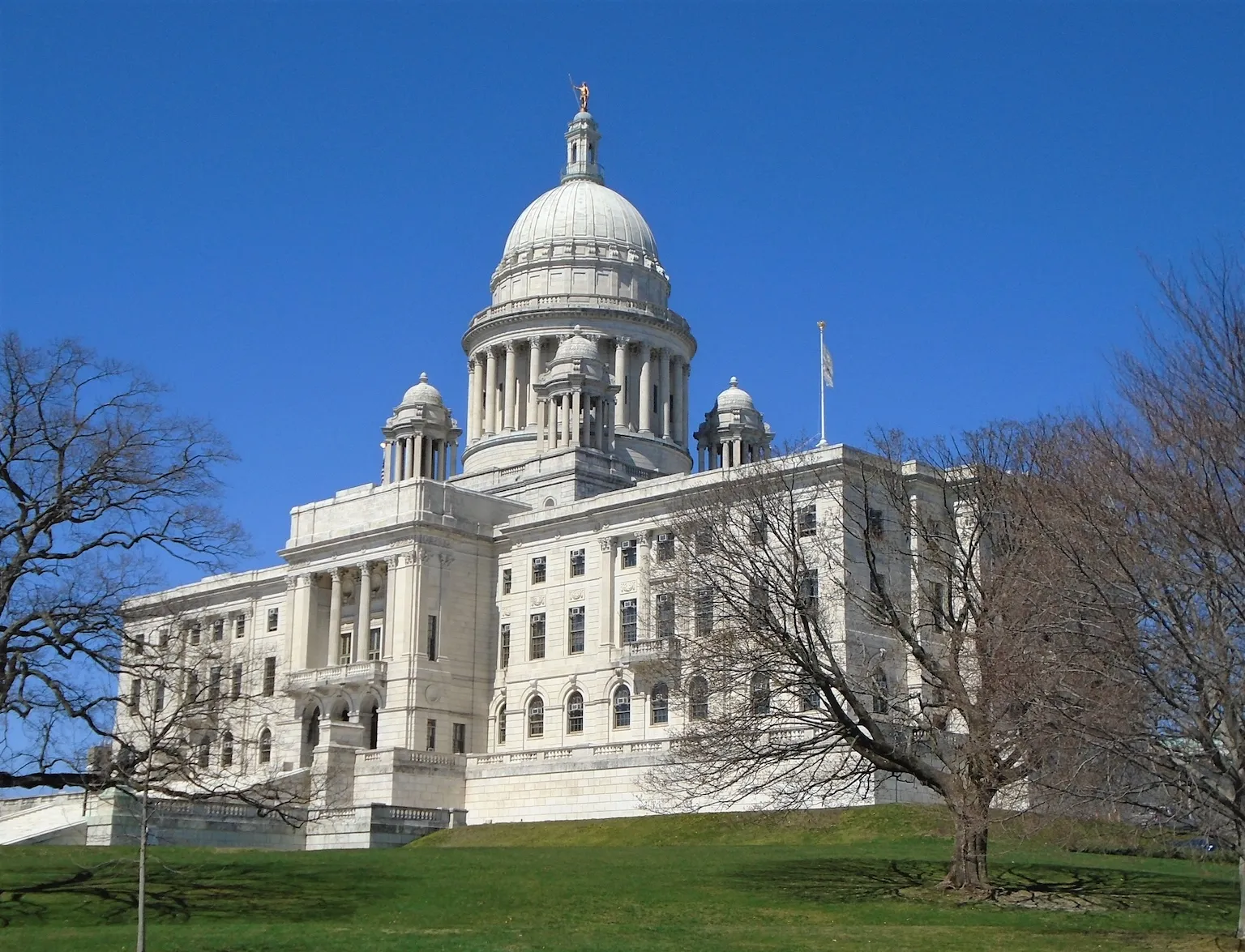
Rhode Island is launching its sixth major housing reform package, aiming to boost affordability through zoning updates, lot splits, code changes, and the revival of single room occupancy and co‑living housing. With the state still recovering from years of underbuilding and soaring home prices, lawmakers hope these reforms will unlock new supply, ease pressure on renters and buyers, and create fresh opportunities for real estate professionals.