CRE This Week: The Trends Shaping Canada’s Commercial Real Estate Landscape
Canada’s commercial real estate (CRE) market is moving fast — and every week brings a new wave of data, transactions, and strategic insights that professionals can use to stay competitive. Thanks to Altus Group’s Canada Research Team, we now have a fresh snapshot of how the markets are shifting nationwide as we head toward the close of 2025.
If you work in real estate, mortgage, appraisal, development, or any related licensed profession, this week’s market pulse offers signals worth watching while you enjoy your morning coffee.
Market Movers: Notable Transactions Across Canada
Activity continues across major regions, with apartments, industrial properties, hotels, and retail assets trading hands at significant valuations.
For professionals tracking national opportunities, the Altus commercial transactions database remains one of the most powerful tools available for due diligence and investment research.
Despite a softer national economy, retail sales are up 4.7% year‑to‑date. Winnipeg and Vancouver lead the pack, while Toronto and Calgary stay stable after inflation adjustments. This strength supports the rising appeal of grocery‑anchored and open‑format retail assets.
Toronto CRE Feels the Brake Pressure
Investment volume in Toronto sits 13% below last year’s levels. Economic uncertainty and post‑2024 slowdown effects have cooled activity. Altus Group’s Q3 Toronto update dives deeper into performance indicators.
Construction investment eased in September, with residential leading but slowing. The Prairies and Quebec show the strongest momentum, while other regions soften. With population growth also tapering, construction activity nationwide may remain subdued into 2026.
Research Spotlights: Insights Worth Bookmarking
Montreal CRE Update — Q3 2025
Montreal’s multifamily sector stays strong while other asset classes shift. A must‑read for investors recalibrating strategy.
The insights above are brought to life by the Altus Data Solutions team — a group of analysts and strategists laser‑focused on understanding national CRE conditions.
Ray Wong — Vice President, Data Solutions
Peter Norman — Vice President & Economic Strategist
Edward Jegg — Research Manager
Jennifer Nhieu — Senior Research Analyst
Why This Matters for Real Estate Professionals
Whether you’re investing, brokering, valuing, or developing, keeping up with weekly CRE movements is now a core competitive advantage. Staying informed helps guide smarter decisions, sharper timing, and stronger long‑term positioning.
For aspiring and current professionals aiming to build credibility and earn their license, Cameron Academy continues to help bridge the gap between market knowledge and formal education — offering real estate, mortgage, insurance, and professional licensing pathways nationwide.
Explore More Insights
Continue exploring weekly updates and market intelligence from Altus Group:
Getting licensed or staying ahead in your career can be a journey—but it doesn’t have to be overwhelming. Grab your favorite coffee or tea, take a moment to relax, and browse through our articles. Whether you’re just starting out or renewing your expertise, we’ve got tips, insights, and advice to keep you moving forward. Here’s to your success—one sip and one step at a time!
Florida homeowners — especially in hard‑hit South Florida — are set to see rare and substantial reductions in their property insurance premiums. Gov. Ron DeSantis announced an average statewide Citizens Insurance decrease of 8.7%, with even larger savings of up to 14% in counties like Miami-Dade, Broward, and Palm Beach. State officials credit recent legal and regulatory reforms for stabilizing the market, attracting new insurers, and delivering the first meaningful rate relief Floridians have seen in years.
Tampa’s commercial real estate market isn’t slowing—it’s maturing. With strong population growth, rising office demand, a normalized industrial sector, resurgent retail, and an emerging health‑care real estate boom, investors are shifting from speed to strategy. Tighter underwriting, cautious capital and increased due‑diligence are shaping a more disciplined market, creating new opportunities for informed professionals.
Florida homeowners are finally seeing relief as Citizens Property Insurance announces a major 8.7% average rate decrease—far larger than originally proposed. Driven by legislative reforms, fewer lawsuits, and a calm hurricane season, the state’s once‑unstable insurance market is showing real signs of recovery. But with reduced coverage limits and shifting legal protections, experts warn that lower premiums may come with hidden trade‑offs.
After a decade of rising premiums and retreating carriers, Florida homeowners are finally seeing long‑awaited relief. Dozens of insurers have filed for rate decreases—some as high as 11%—thanks to legislative reforms and a stabilizing market. Early approvals are already hitting counties across the state, and experts say the momentum could boost buyer confidence, affordability, and competition throughout Florida’s real estate and insurance sectors.
After years of slowed activity caused by rising interest rates, the self‑storage industry is heating up again. New data from Marcus & Millichap shows a fresh market cycle emerging, driven by renewed buyer confidence, recalibrated pricing, and stronger lender participation. Acquisitions are rebounding, development is resetting in a healthier direction, and financing conditions are improving—creating one of the most promising investment landscapes the sector has seen in years.
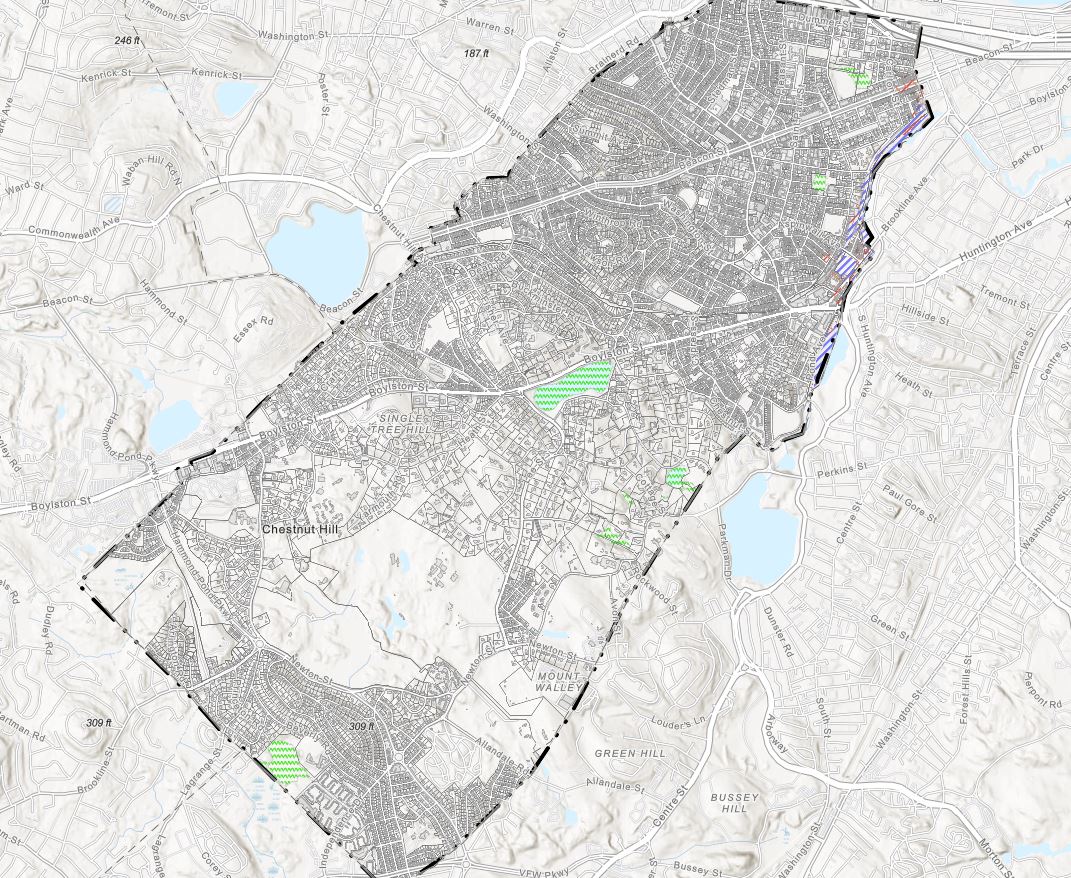
Brookline’s newly updated FEMA flood maps identify 97 high‑risk parcels, but local experts warn the true threat is far greater. While FEMA highlights river‑based flooding around Leverett Pond and the Muddy River, alternative models show more than 1,300 Brookline properties at risk within 30 years. Hidden vulnerabilities along major corridors like Beacon Street, rising rainfall intensity, aging infrastructure, and climate‑driven storm patterns suggest that many “low‑risk” areas may be anything but safe.