Creative Strategies Helping First-Time Buyers Step Into the 2026 Housing Market
The 2026 housing market may finally be offering first-time buyers a chance to breathe. According to a new outlook from the National Association of Realtors (NAR), rising inventory, cooling rates, and a wave of creative financial strategies are helping more people “make the math work” as they pursue the dream of homeownership.
After a rocky 2025—where first-time buyers made up just 21% of the market and hit a record-high age of 40—many felt pushed out of the wealth‑building opportunities that homeownership provides. But NAR’s deputy chief economist, Jessica Lautz, says buyers are refusing to sit on the sidelines.
“Homeownership is a way that many Americans build wealth … and unfortunately they’re just being pushed to the sidelines for a longer period of time,” Lautz said. “They’re also thinking about unique ways to enter into homeownership.”
Those unique strategies include tapping retirement funds, moving back home to save on rent, and teaming up with friends or roommates to co-buy property—a trend gaining traction nationwide.
Financing Creativity: ARMs, Grants, and Government-Backed Loans
One of the biggest shifts in 2026 is the renewed interest in adjustable-rate mortgages (ARMs). With affordability still tight, the lower introductory payments of ARMs are helping some buyers finally cross the threshold into ownership.
Shelley Jonietz of Chase Home Lending notes that many first-time buyers are choosing ARMs, but emphasizes thoughtful planning: “It can give buyers the affordability boost needed to get into the housing market sooner. Our role is to make sure they fully understand how this loan works … and whether the structure fits their long-term plans.”
Government-backed loans remain crucial—especially VA loans with no down payment. Meanwhile, lenders are rolling out more targeted grants and programs:
Bank of America: 3% down payment grant (up to $10,000) + $7,500 homeownership grant
Chase: Homebuyer Assistance Finder + grants up to $5,000 in eligible communities
Homebuilders Step In With Incentives and New Inventory
Builders are stepping up in a major way. In late 2025, roughly 40% of builders reduced new-home prices, with an average drop of 5%, while many others offered aggressive rate buy-downs.
Townhomes are also rising in popularity. According to the National Association of Home Builders, they now represent 18% of all single-family construction—an appealing entry point for budget-conscious buyers.
Will 2026 Be the Turnaround Year?
With inventory rising and interest rates gradually easing, NAR is cautiously optimistic. Lautz says that conditions are shifting—slowly but unmistakably—toward something first-time buyers haven’t experienced in years: real opportunity.
For aspiring real estate professionals observing these shifts, 2026 is shaping up to be a defining year. If you’re pursuing or upgrading your real estate license, Cameron Academy offers flexible, accredited programs in real estate, mortgage, insurance, and more—helping professionals stay sharp in a rapidly evolving market.
Lautz concludes: “Improved affordability conditions, even if just slightly, mean an opportunity for first-time homebuyers. And I hope they are able to take advantage of that next year.”
Getting licensed or staying ahead in your career can be a journey—but it doesn’t have to be overwhelming. Grab your favorite coffee or tea, take a moment to relax, and browse through our articles. Whether you’re just starting out or renewing your expertise, we’ve got tips, insights, and advice to keep you moving forward. Here’s to your success—one sip and one step at a time!
Florida homeowners — especially in hard‑hit South Florida — are set to see rare and substantial reductions in their property insurance premiums. Gov. Ron DeSantis announced an average statewide Citizens Insurance decrease of 8.7%, with even larger savings of up to 14% in counties like Miami-Dade, Broward, and Palm Beach. State officials credit recent legal and regulatory reforms for stabilizing the market, attracting new insurers, and delivering the first meaningful rate relief Floridians have seen in years.
Tampa’s commercial real estate market isn’t slowing—it’s maturing. With strong population growth, rising office demand, a normalized industrial sector, resurgent retail, and an emerging health‑care real estate boom, investors are shifting from speed to strategy. Tighter underwriting, cautious capital and increased due‑diligence are shaping a more disciplined market, creating new opportunities for informed professionals.
Florida homeowners are finally seeing relief as Citizens Property Insurance announces a major 8.7% average rate decrease—far larger than originally proposed. Driven by legislative reforms, fewer lawsuits, and a calm hurricane season, the state’s once‑unstable insurance market is showing real signs of recovery. But with reduced coverage limits and shifting legal protections, experts warn that lower premiums may come with hidden trade‑offs.
After a decade of rising premiums and retreating carriers, Florida homeowners are finally seeing long‑awaited relief. Dozens of insurers have filed for rate decreases—some as high as 11%—thanks to legislative reforms and a stabilizing market. Early approvals are already hitting counties across the state, and experts say the momentum could boost buyer confidence, affordability, and competition throughout Florida’s real estate and insurance sectors.
After years of slowed activity caused by rising interest rates, the self‑storage industry is heating up again. New data from Marcus & Millichap shows a fresh market cycle emerging, driven by renewed buyer confidence, recalibrated pricing, and stronger lender participation. Acquisitions are rebounding, development is resetting in a healthier direction, and financing conditions are improving—creating one of the most promising investment landscapes the sector has seen in years.
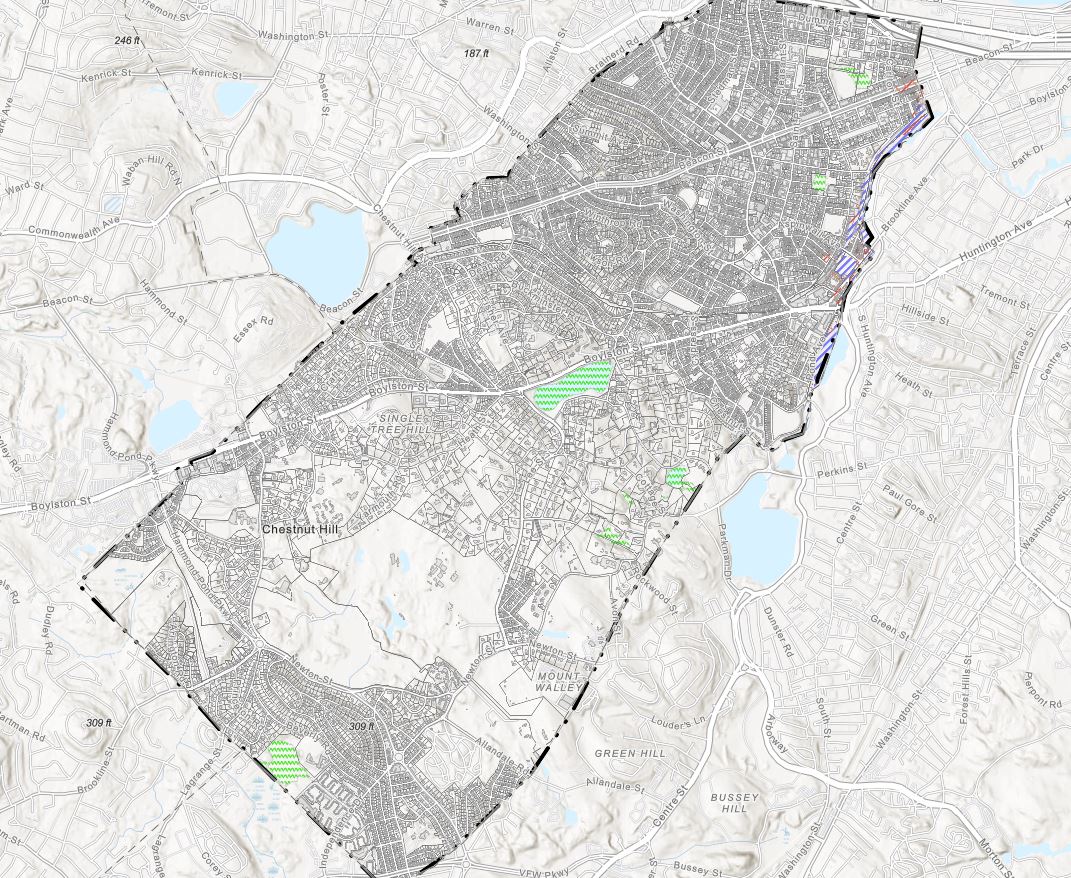
Brookline’s newly updated FEMA flood maps identify 97 high‑risk parcels, but local experts warn the true threat is far greater. While FEMA highlights river‑based flooding around Leverett Pond and the Muddy River, alternative models show more than 1,300 Brookline properties at risk within 30 years. Hidden vulnerabilities along major corridors like Beacon Street, rising rainfall intensity, aging infrastructure, and climate‑driven storm patterns suggest that many “low‑risk” areas may be anything but safe.