CRISPR: A New Frontier in Genetic Disease Treatment
CRISPR technology is rapidly advancing, offering new hope for treating a myriad of genetic diseases. From muscular dystrophies to metabolic disorders, CRISPR’s potential to revolutionize medicine is significant. This review, originally published by the Wiley Online Library, provides a comprehensive overview of the current state of CRISPR technology and its applications in genetic disease therapy.
Unveiling the Potential
The article highlights the transformative potential of CRISPR in treating genetic disorders such as muscular dystrophies, cardiovascular diseases, and more. With the recent FDA approval of CRISPR-based therapies, the technology is poised to make a significant impact on healthcare. Notably, the development of delivery systems like nanocarriers is a breakthrough, enhancing the precision and safety of CRISPR applications.
Challenges on the Horizon
While CRISPR’s promise is undeniable, challenges such as off-target effects and immunogenicity remain. The article discusses ongoing research aimed at addressing these issues, emphasizing the need for precise gene-editing tools and effective delivery methods. Ethical considerations also play a crucial role, particularly concerning germline editing and data privacy.
Recent Developments
Recent trends in CRISPR technology include the approval of Casgevy, the first-ever CRISPR-based therapy for sickle cell disease. Additionally, advancements in base editing and prime editing technologies are paving the way for more targeted genetic interventions. These developments underscore the dynamic nature of CRISPR research and its potential to transform genetic medicine.
Conclusion
As CRISPR technology continues to evolve, it offers unprecedented opportunities to treat previously untreatable conditions. However, the journey from laboratory to clinic is fraught with challenges. Addressing these hurdles through ongoing research and ethical oversight is essential to unlocking CRISPR’s full potential in genetic medicine.
“`
More Articles
Getting licensed or staying ahead in your career can be a journey—but it doesn’t have to be overwhelming. Grab your favorite coffee or tea, take a moment to relax, and browse through our articles. Whether you’re just starting out or renewing your expertise, we’ve got tips, insights, and advice to keep you moving forward. Here’s to your success—one sip and one step at a time!
"AI and machine learning are emerging as powerful technologies to address this issue, improving the accuracy of medical diagnosis and revolutionizing healthcare with their myriad applications."
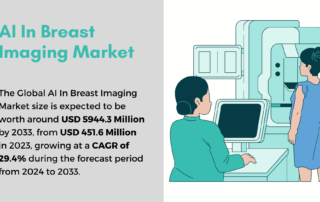
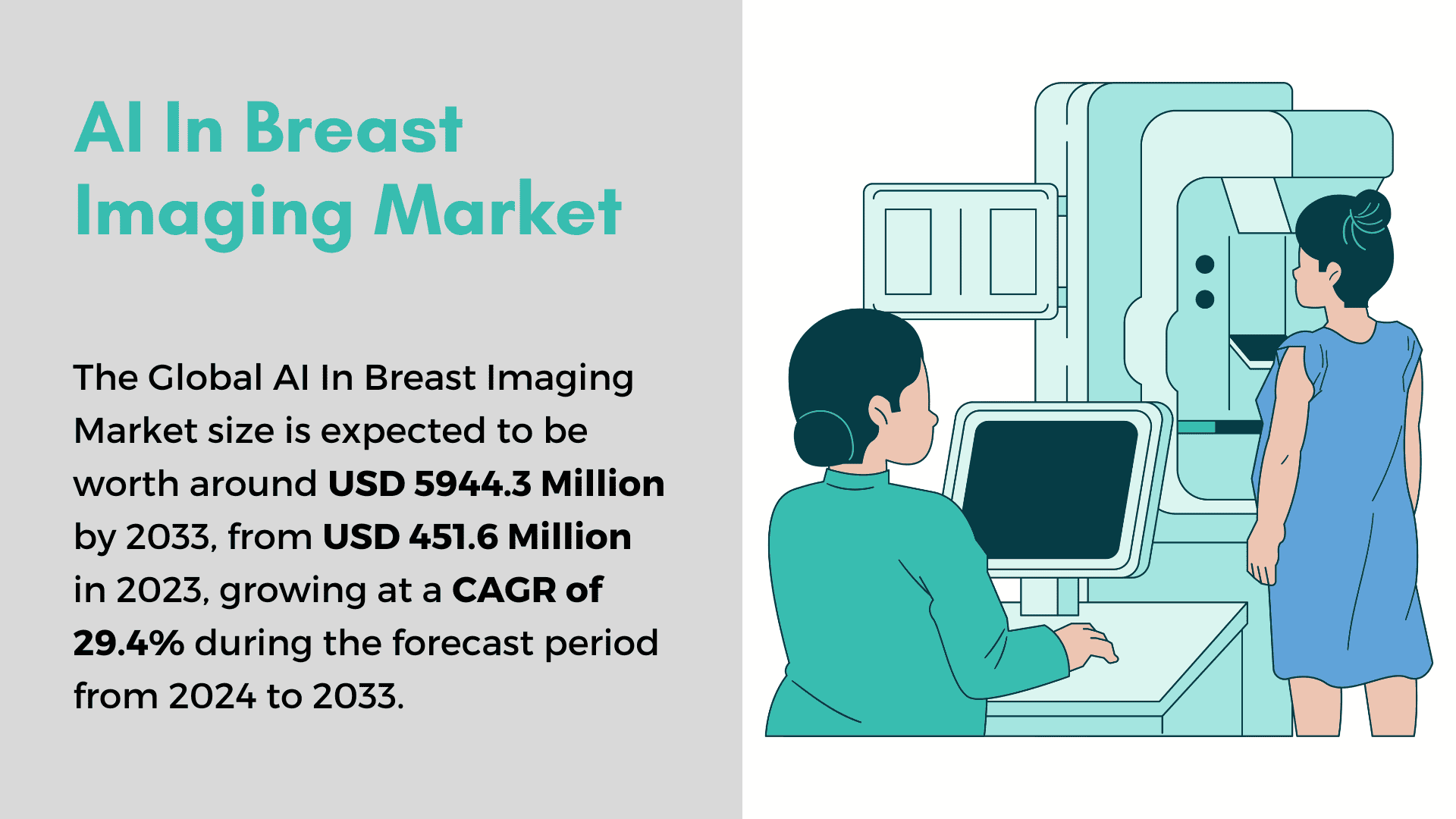
The global AI in breast imaging market is on a remarkable growth trajectory, projected to swell from USD 451.6 million in 2023 to an impressive USD 5944.3 million by 2033. This represents a compound annual growth rate (CAGR) of 29.4%, primarily driven by cutting-edge advancements in AI technologies that significantly enhance diagnostic accuracy, facilitate early detection, and boost healthcare efficiency.
Virtual real estate in metaverses is becoming a focal point for investors worldwide, with digital plots of land mirroring traditional real estate value based on location, size, and platform popularity.
Artificial intelligence (AI) and machine learning are at the forefront of revolutionizing in-vitro diagnostic (IVD) tools, redefining diagnostics and enhancing healthcare outcomes on multiple fronts.
As we edge closer to 2030, the life sciences industry stands on the threshold of transformative changes. With a global valuation exceeding $2 trillion, the sector is poised for significant growth, driven by technological advancements and an aging population.
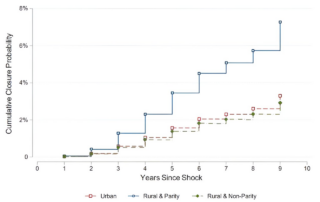
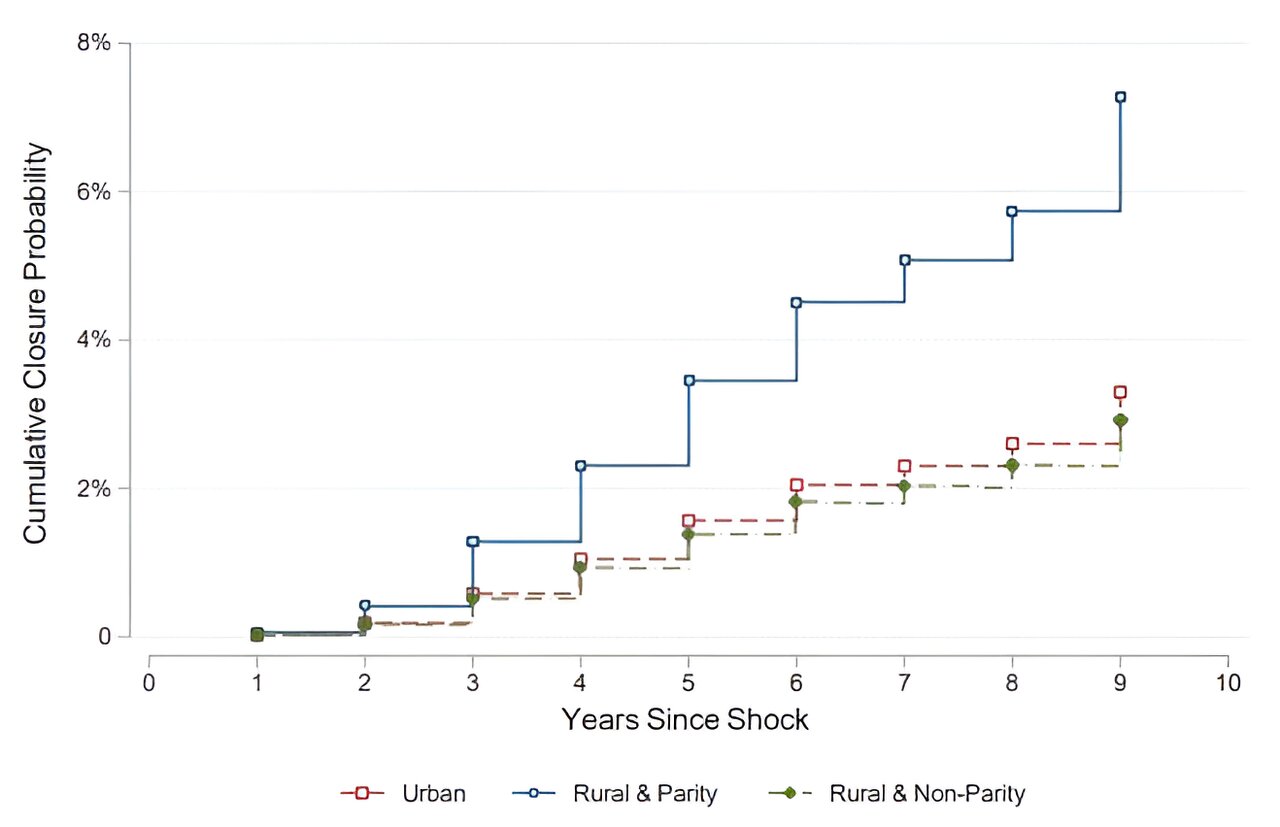
The advent of telehealth has revolutionized the way patients, particularly those in rural areas, access health care. By offering remote consultations and follow-up care, telehealth provides a convenient alternative to traveling long distances to urban hospitals. However, this technological advancement brings with it a set of challenges that could reshape the rural health care landscape.